In today’s interconnected global economy, businesses rely heavily on efficient transportation networks to move goods quickly and reliably across vast distances. While passenger travel often receives the most public attention, air cargo plays an equally important role in supporting industries, retailers, healthcare providers, manufacturers, and consumers worldwide. The ability to transport products rapidly has become a critical component of modern supply chain management.
Air cargo enables companies to respond to market demands, reduce inventory risks, and maintain consistent product availability. From medical supplies and electronics to automotive components and perishable goods, countless products depend on air transportation to reach their destinations on time. As supply chains become increasingly complex, the importance of air cargo continues to grow.
The Role of Air Cargo in Global Trade
Air cargo serves as a vital link in international trade. Although air freight accounts for a smaller percentage of total cargo volume compared to ocean shipping, it represents a significant portion of the value of goods traded globally. High value products often require the speed and reliability that only air transportation can provide.
Businesses use air cargo services when timing is critical. Delays in receiving components or finished products can disrupt manufacturing schedules, affect customer satisfaction, and lead to financial losses. Air transportation helps companies avoid these challenges by significantly reducing transit times.
Supporting Just In Time Inventory Strategies
Many organizations use just in time inventory systems to improve efficiency and reduce storage costs. Instead of maintaining large inventories, companies receive materials and products as they are needed. This strategy can improve cash flow and reduce warehousing expenses.
Air cargo plays a critical role in supporting these inventory management practices. Fast transportation allows businesses to replenish stock quickly and respond to changes in demand more effectively. Companies can maintain leaner inventories without sacrificing product availability.
When unexpected shortages occur, air freight often provides the fastest solution for restoring supply and minimizing disruptions. This flexibility has become increasingly valuable in competitive industries where customer expectations continue to rise.
Enabling E Commerce Growth
The rapid growth of e commerce has increased demand for faster shipping services. Consumers increasingly expect products to arrive within days or even hours after placing orders. Meeting these expectations requires highly efficient logistics networks that often incorporate air transportation.
Air cargo allows retailers and logistics providers to move products quickly between distribution centers and regional markets. This capability supports expedited shipping options and improves order fulfillment performance.
As online shopping continues to expand globally, air freight will remain an important component of the infrastructure supporting digital commerce. Fast delivery capabilities help businesses attract customers while maintaining competitive advantages in crowded marketplaces.
Airport Infrastructure and Cargo Operations
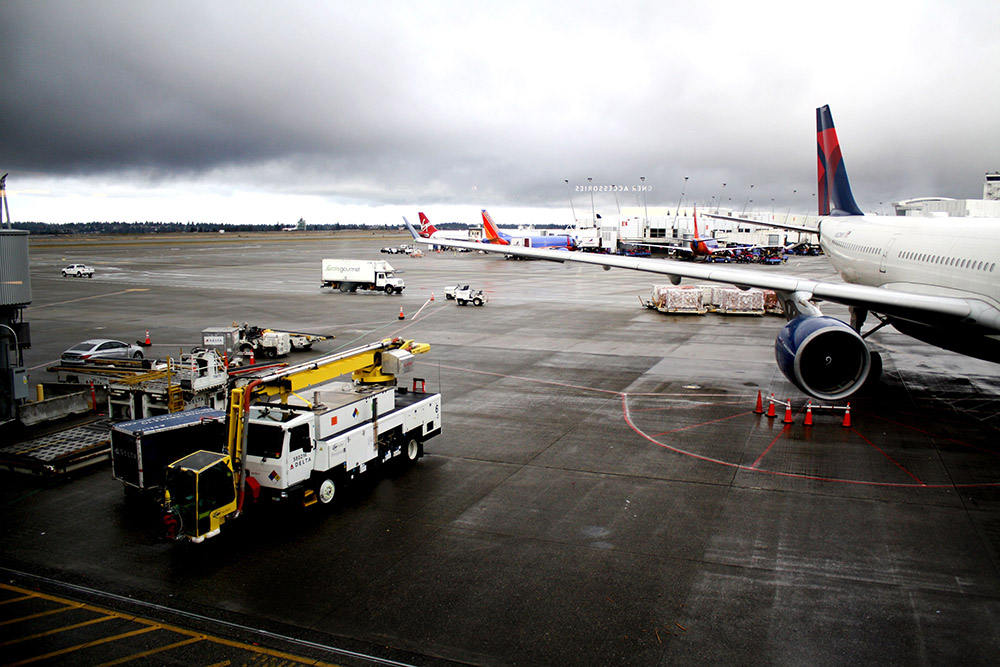
Efficient cargo movement depends on well designed airport infrastructure and operational processes. Major cargo airports require specialized facilities for sorting, storing, screening, and loading shipments. Advanced logistics systems help coordinate these activities while maintaining tight schedules.
Behind the scenes, cargo operations involve extensive coordination among airlines, freight forwarders, customs agencies, and ground service providers. Every component of the process must work together to maintain efficient cargo flow.
Maintenance operations are also essential to supporting reliable cargo transportation. Aviation service teams utilize specialized equipment, including a tripod jack for airplanes, during inspections and maintenance activities that help ensure aircraft remain operational and available for cargo missions.
Technology Improving Cargo Efficiency
Technology continues to transform air cargo operations and supply chain management. Modern tracking systems provide real time visibility into shipment status, allowing businesses to monitor cargo throughout the transportation process.
Data analytics helps logistics providers optimize routes, improve scheduling, and identify opportunities for greater efficiency. Automated systems streamline warehouse operations and reduce manual handling requirements.
Digital documentation and electronic data exchange have also accelerated processing times. These innovations improve communication across supply chain partners and contribute to more reliable cargo operations.
The Future of Air Cargo
The air cargo industry continues to evolve as technology advances and global trade patterns change. Automation, artificial intelligence, and digital logistics platforms are expected to improve efficiency even further in the coming years.
Sustainability is also becoming an increasingly important consideration. Airlines and cargo operators are exploring ways to reduce environmental impacts through more efficient aircraft, alternative fuels, and optimized operational practices.
As global commerce becomes increasingly interconnected, demand for reliable and flexible cargo transportation is likely to remain strong. Air cargo will continue serving as a critical enabler of economic growth and supply chain performance.
Conclusion
Air cargo plays a fundamental role in supporting modern supply chains by providing the speed, reliability, and flexibility that businesses need to compete in global markets. From healthcare and manufacturing to e commerce and agriculture, numerous industries depend on air freight to move products efficiently and meet customer expectations.
As supply chains continue to evolve, air cargo will remain an essential part of the global logistics network. Through technological innovation, strategic infrastructure investment, and operational excellence, the industry will continue helping businesses connect with markets, respond to changing demands, and maintain the flow of goods around the world.