Maintaining good oral health is a lifelong journey, but its importance often becomes even more pronounced as we age. A healthy mouth does far more than produce a brighter smile—it shapes nutrition, speech, social connection, and self-esteem. As your body changes over the years, so does your oral health, making dedicated care more essential than ever. This post explores the connection between oral care and healthy aging, with practical tips to help you protect your smile and your confidence for years to come.
The Impact of Oral Health on Overall Well-being
As we age, oral health can significantly influence general health. Problems such as gum disease and tooth loss are not isolated issues confined to the mouth; they often carry systemic implications. Chronic inflammation from gum disease has been linked to conditions like cardiovascular disease and diabetes, which shows how closely connected our body systems really are.
Strong, healthy teeth also make proper chewing possible, and chewing is vital for nutrient absorption and digestive health. When oral health declines, many people start avoiding certain foods. These dietary restrictions can reduce nutritional intake and, over time, worsen other health concerns. Caring for your mouth, then, becomes one of the simplest ways to support your whole body.
Common Oral Health Challenges in Older Adults
Aging brings a unique set of oral health challenges, and recognizing them early makes them far easier to manage.
Dry Mouth and Medication Side Effects
One of the most common issues is dry mouth, often triggered by medications that older adults take regularly. Saliva washes away food particles and neutralizes harmful acids, so reduced saliva flow raises the risk of cavities and gum disease. Sipping water throughout the day and speaking with your dentist about saliva substitutes can help ease the discomfort.
Gum Disease and Tooth Wear
Older adults also face a higher risk of gum disease, or periodontitis, which can lead to tooth loss if left untreated. Worn-down enamel, root decay, and the growing need for restorations such as crowns and bridges become more common with age. Each of these concerns calls for diligent daily care and consistent professional attention.
Essential Oral Care Practices for Healthy Aging
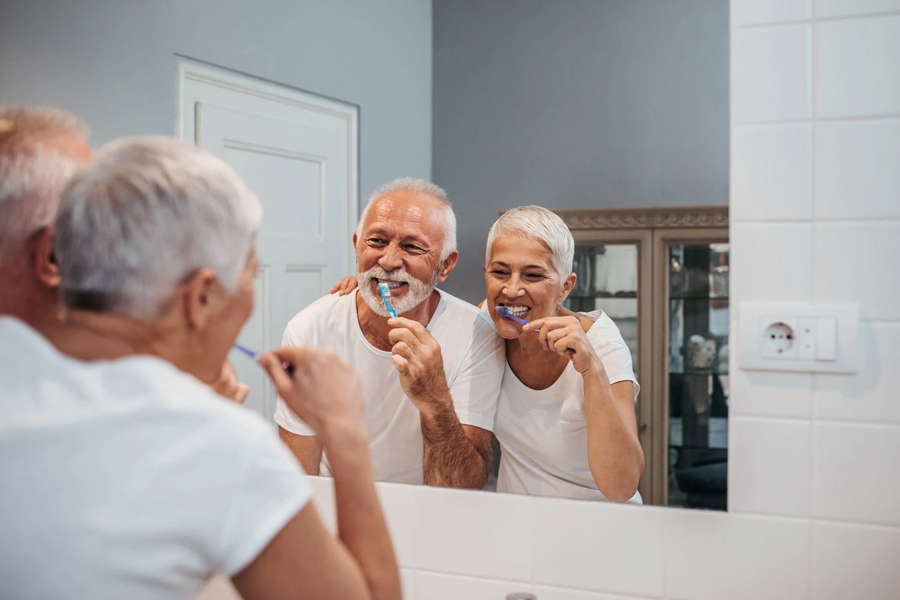
Excellent oral hygiene remains your strongest line of defense as you grow older. Brush twice a day with a fluoride toothpaste, and floss daily to clear plaque and food particles from between your teeth and along the gum line. An antimicrobial mouthwash adds another layer of protection by reducing bacteria.
Regular dental check-ups and professional cleanings, ideally every six months, are essential for catching problems early. Your dentist can offer tailored advice, spot issues before they become serious, and provide protective treatments like fluoride applications or sealants for vulnerable teeth. A short appointment today can prevent a far more complicated procedure tomorrow.
Nutrition and Lifestyle Choices for a Healthy Mouth
Diet plays a powerful role in oral health at every stage of life. A balanced diet rich in fruits, vegetables, and lean proteins supplies the vitamins and minerals your gums and teeth need to stay strong. Limiting sugary snacks and drinks matters too, since sugar is a leading contributor to tooth decay.
Hydration is another easy win. Drinking plenty of water helps combat dry mouth and keeps your mouth fresh between meals. Just as important, avoiding tobacco products and limiting alcohol can dramatically lower your risk of gum disease, oral cancers, and decay. Small, steady changes in these habits often add up to a healthier mouth and a more confident smile.
Managing Dental Restorations and Appliances
Many older adults rely on restorations such as fillings, crowns, bridges, or dentures, and proper care keeps them working well for years. Dentures need daily cleaning to prevent bacterial buildup and odors, and they should be removed overnight to give your gums a chance to rest.
Bridges and implants require meticulous cleaning to prevent gum inflammation and decay around the supporting teeth. If you are considering tooth replacement, options like dental implants in Wasilla can restore both function and appearance, helping you chew comfortably and smile with confidence. Your dentist can walk you through the choices that best fit your needs and lifestyle.
Building Confidence Through a Healthy Smile
A healthy smile influences how you feel about yourself just as much as how you look. When your teeth are comfortable and well cared for, you speak more freely, laugh more openly, and engage more easily with the people around you. Oral discomfort or missing teeth, on the other hand, can quietly chip away at self-esteem and discourage social interaction.
Investing in your oral health is, in many ways, an investment in your overall happiness. Each brushing session, each dental visit, and each mindful food choice supports a future where you can keep doing the things you love—sharing meals, telling stories, and connecting with loved ones without hesitation.
Conclusion
Good oral care is a cornerstone of healthy aging and lasting confidence. By practicing daily hygiene, eating well, and visiting your dentist regularly, you protect both your smile and your quality of life. Start with one small habit today, and let it grow into a routine that keeps you smiling—comfortably and proudly—for many years to come.