Commercial spaces are rapidly evolving to meet the dynamic needs of modern businesses. Staying informed about current remodeling trends is essential for companies aiming to enhance functionality, sustainability, and employee well-being. For businesses in Sarasota seeking to upgrade their facilities, partnering with experienced professionals, such as Sarasota commercial remodeling contractors, can ensure high-quality results. Vertical General Contracting, a family-owned firm with over 30 years of experience, specializes in transforming commercial spaces throughout Sarasota and surrounding Southwest Florida communities. Their expertise spans various sectors, including office, retail, medical, and restaurant spaces, with a focus on safety, efficiency, and minimal disruption. By leveraging their deep understanding of local building codes and commitment to craftsmanship, businesses can achieve remodeling projects that stand the test of time.
Flexible Workspaces
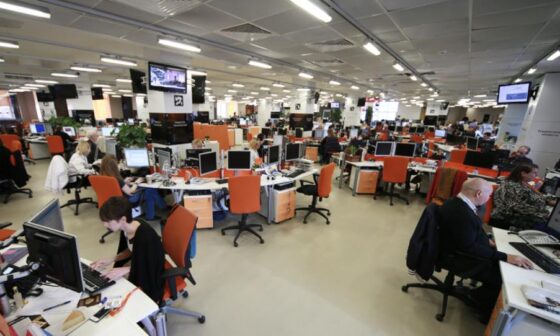
The transition to hybrid work models is prompting businesses to adopt flexible workspace designs. Features like movable partitions and modular furniture create adaptable environments that foster collaboration and enhance efficiency.
As the lines between traditional office and remote work continue to blur, there is a growing emphasis on multi-functional layouts that accommodate both private offices and collaborative areas. Amenities such as “hotel-style” desks, quiet zones, and collaborative lounges promote flexibility and address the changing needs of the workforce, thereby improving job satisfaction and productivity. Additionally, tools like mobile whiteboards, stackable seating, and convertible spaces support agile teams, making it easy to reconfigure areas for events or special projects.
Sustainable Practices
Environmental responsibility is a significant focus in commercial remodeling. Companies are incorporating energy-efficient lighting, sustainable materials, and advanced HVAC systems to minimize their carbon footprint and reduce operational expenses.
Sustainability goes beyond operational efficiency; it also positively affects a company’s public image and long-term bottom line. Many businesses are achieving Leadership in Energy and Environmental Design (LEED) certification as proof of their commitment to green practices. Remodels may include recycled and locally sourced materials, low-VOC (volatile organic compound) paints, and advanced water-saving fixtures. Rooftop gardens, solar panels, and daylight harvesting systems are additional features being integrated to boost energy savings and support employee wellness. Waste reduction during the remodeling process, through on-site recycling and partnering with materials recovery facilities, also supports corporate sustainability goals and reduces overall environmental impact.
Integration of Smart Technologies
Modern commercial spaces are increasingly incorporating smart technologies to enhance functionality and user experience. Features such as IoT-connected systems, touchless controls, and integrated security platforms are becoming standard. These technologies not only improve operational efficiency but also create a safer, more comfortable environment for employees and clients.
The integration of cutting-edge tech is now at the forefront of commercial remodeling trends. Voice-activated lighting and climate controls, mobile badge access, and sensor-equipped meeting rooms simplify daily operations. Smart occupancy sensors facilitate more efficient energy use by automatically adjusting light and temperature settings based on room usage. High-speed wireless internet, video conferencing capabilities, and robust security systems help modern businesses stay connected and secure. Artificial intelligence-driven analytics platforms are now being used to monitor building performance, identify maintenance needs, and streamline resource management, enabling continuous improvement in building operations and occupant experience.
Health and Wellness-Focused Design
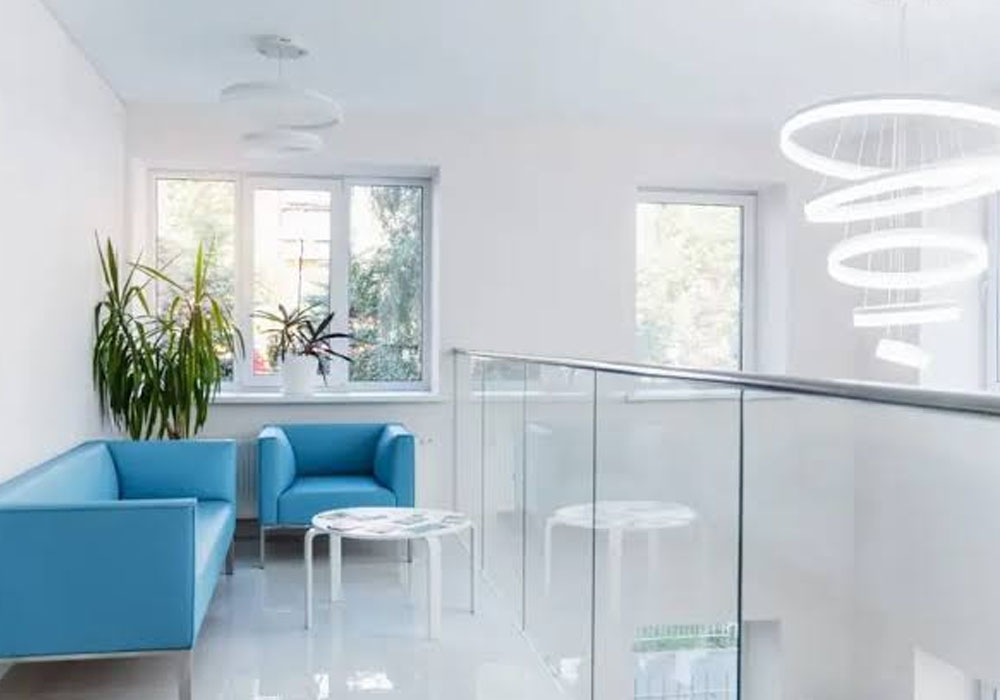
Designing spaces that promote health and wellness is a growing trend in commercial remodeling. Incorporating natural lighting, improved air quality systems, ergonomic workstations, and biophilic elements like indoor plants can enhance employee well-being and productivity.
Wellness-oriented design increasingly includes amenities such as meditation rooms, fitness centers, and relaxation zones, addressing both physical and mental well-being for employees. The use of nature-inspired materials, acoustic treatments to reduce noise pollution, and circadian lighting systems further support occupant health. Integrated water filtration systems and healthy snack stations in communal areas are other strategies being used to foster a health-conscious workplace culture. By focusing on these design elements, companies are not only attracting and retaining top talent but also boosting morale and measurable productivity levels within their organizations.
Innovative Approaches to Space Utilization
As real estate costs continue to rise, businesses are seeking innovative ways to maximize every square foot. Creative storage solutions, such as under-desk compartments, built-in cabinetry, and multi-purpose furniture, are increasingly found in remodeled spaces. Open floor plans can be balanced with phone booths and micro-offices for privacy, ensuring that the overall space serves a variety of purposes and employee preferences. Vertical space is also utilized, whether through modular shelving or hanging greenery that adds dimension and interest while saving floor area.
Challenges in Commercial Remodeling
Commercial remodeling is currently facing several challenges, including rising material costs and labor shortages. Although many contractors remain optimistic, they are grappling with higher labor and overhead costs and longer material lead times. To tackle these issues, companies are fostering strong relationships with suppliers to secure better pricing and faster access to materials. Additionally, technology is being utilized to streamline project management processes. As competition heats up, effective communication and thorough planning have become vital for keeping projects within budget and on schedule. Partnering with experienced local contractors in Sarasota can give business owners and facility managers added confidence in their projects.
Conclusion
Keeping up with commercial remodeling trends is essential for businesses aiming to create functional, sustainable, and employee-friendly environments. Incorporating flexible layouts, eco-friendly practices, smart technology, and wellness amenities can enhance spaces to align with current workplace needs. Progressive companies should implement integrated solutions and collaborate with specialists like Vertical General Contracting to ensure their spaces are appealing, safe, future-proof, healthy, sustainable, and conducive to growth.