Key Takeaways
- Herniated disc decompression treatment is a non-surgical approach to alleviate spinal disc pressure.
- Techniques like the Y-Strap decompression can provide significant pain relief and improved mobility.
- Choosing a qualified practitioner is essential for effective treatment outcomes.
Understanding Herniated Discs
A herniated disc occurs when the soft inner gel of a spinal disc protrudes through its outer layer, often leading to nerve compression. This condition can cause pain, numbness, or weakness in the limbs, significantly impacting daily activities and overall quality of life. For individuals exploring conservative care options, herniated disc decompression treatment may help relieve pressure on affected nerves and reduce discomfort without surgery.
Herniated discs most frequently develop in the lumbar region (lower back), but they can also occur in the cervical (neck) and thoracic (mid-back) areas. Causes may include degeneration due to aging, repetitive strain, poor posture, improper lifting techniques, or traumatic injuries. The risk increases with factors such as obesity, occupations requiring heavy lifting, and lack of regular exercise. Often, symptoms differ depending on the disc’s location; for instance, a herniation in the lumbar spine may lead to sciatica pain that radiates from the lower back down the leg, while a cervical herniated disc might result in arm pain and tingling. Early intervention can prevent further complications, such as chronic pain or nerve damage. Depending on the underlying cause and severity, healthcare providers may recommend therapies ranging from physical rehabilitation to specialized spinal decompression methods, including the Y-Strap decompression technique, when appropriate for the patient’s condition.
Individuals with herniated discs might also experience muscle spasms, difficulty walking or standing for prolonged periods, and, in severe cases, loss of bladder or bowel control. If any of these more serious symptoms occur, it is critical to seek immediate medical attention. Diagnosis typically involves a combination of a physical exam, neurological testing, and imaging studies (like MRI or CT scans) to confirm the extent and location of the herniation.
Non-Surgical Decompression Therapy
Non-surgical decompression therapy aims to relieve pressure on spinal discs by gently stretching the spine. This process creates negative pressure within the disc, encouraging the retraction of herniated material and reducing nerve compression. Techniques such as the Y-Strap decompression are utilized to achieve these results.
In addition to the Y-Strap, other non-surgical decompression methods may include mechanical traction tables, flexion-distraction therapy, and advanced computerized decompression systems that allow precise control over the force and angle of traction. Treatment plans are often individualized based on the patient’s symptoms, body mechanics, and response to initial sessions. Decompression therapy is typically painless and is often combined with complementary interventions such as physical therapy, cold or heat therapy, and specific exercises to strengthen the supporting musculature and improve spinal flexibility.
This therapy is an attractive choice for many patients because it avoids the risks, downtime, and potential complications associated with surgical procedures. Chiropractic adjustments, soft tissue therapies, and patient education regarding posture and ergonomics provide further support in the management of herniated disc symptoms without invasive techniques.
Benefits of Decompression Therapy
- Non-Invasive Treatment:Decompression therapy does not require surgery, reducing associated risks and recovery time.
- Pain Reduction:Many patients experience significant pain relief following decompression sessions.
- Improved Mobility:Alleviating nerve compression often leads to enhanced movement and flexibility.
- Short Recovery Time:With no surgical wounds to heal, individuals can typically resume daily activities shortly after treatment.
Additionally, decompression therapy can help delay or even prevent the need for surgery in some cases. It promotes an improved flow of oxygen, nutrients, and blood to the affected disc, which is vital for healing. Some patients report not only a reduction in pain but also decreased dependence on pain medications. Improved sleep, reduced inflammation, and a greater sense of well-being are commonly reported secondary benefits. Decompression therapy may also serve as a helpful adjunct for other spinal conditions such as degenerative disc disease, facet syndrome, and certain cases of spinal stenosis.
The Y-Strap Decompression Technique
The Y-Strap decompression technique involves using a specialized strap to apply a gentle, yet firm, axial pull along the spine’s Y-axis. This method aims to create space between vertebrae, reducing disc pressure and promoting healing. The Y-Strap technique is known for its effectiveness in providing immediate relief and is considered safe when performed by trained professionals.
During the Y-Strap session, the patient usually lies face up while the practitioner places the strap securely under the base of the skull. A controlled, high-velocity yet gentle upward tug is applied. This maneuver often results in instant decompression and a noticeable sense of relief through the spine. Some patients describe a “popping” sensation or audible release, which is believed to signal the cavitation of joints and mobilization of spinal segments. In skilled hands, the technique is both safe and remarkably effective.
The Y-Strap has gained popularity through social media, with many videos demonstrating patients expressing immediate gratitude and improved mobility post-treatment. Despite its popularity, it is crucial to understand that the procedure should only be performed by licensed practitioners trained in its application and contraindications. Not every patient will be a suitable candidate for Y-Strap decompression; thorough assessment and proper technique are essential for safety and efficacy.
Choosing the Right Practitioner
Selecting a qualified and experienced practitioner is crucial for effective decompression therapy. In Asheville, North Carolina, Monitto Chiropractic offers specialized herniated disc decompression treatment. Led by Dr. Paul Monitto, the clinic provides expert care in spinal decompression therapies, including the Y-Strap technique. Dr. Monitto’s extensive experience and dedication to patient wellness make the clinic a trusted choice for those seeking relief from disc-related discomfort.
When searching for a practitioner, look for credentials such as licensure in chiropractic care, a track record of successfully treating spinal disc injuries, and patient testimonials. Good communication and a thorough assessment process also indicate a higher level of care. Practitioners should explain their diagnosis, potential treatment outcomes, and address questions or concerns transparently. It’s also beneficial to choose someone who engages in ongoing professional education and employs evidence-based practices in their clinic. The right partnership with a spine health specialist can make a profound difference in the success of non-surgical decompression therapy and your overall health journey.
What to Expect During Treatment
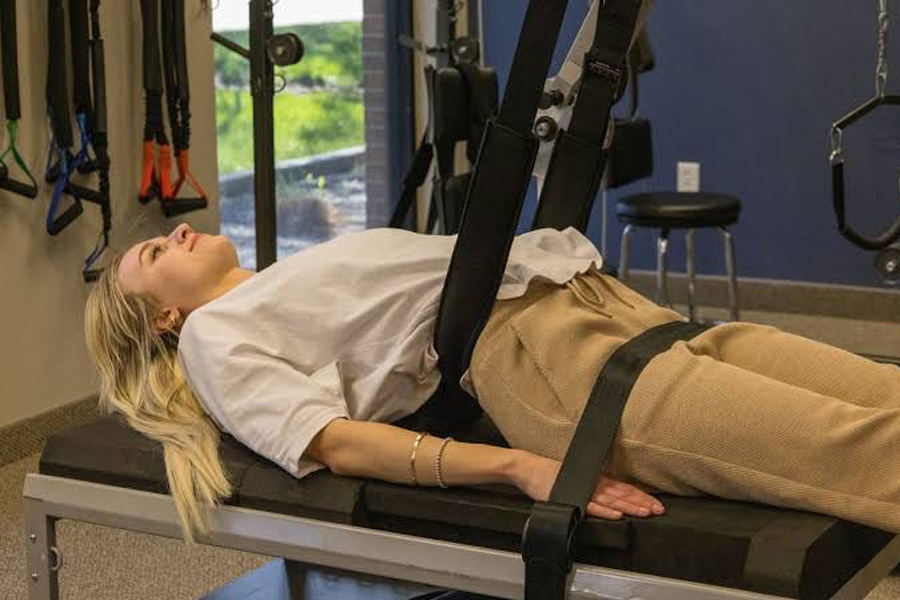
During a decompression session, patients typically lie on a specialized table. A harness is placed around the pelvis and another around the trunk. The practitioner then uses the table’s computerized system to apply controlled traction, gently stretching the spine. Sessions usually last between 30 to 45 minutes, and a complete treatment plan may involve multiple sessions over several weeks.
Before therapy begins, the practitioner will conduct a comprehensive assessment, reviewing your medical history and any available imaging. They’ll explain the procedure, address expectations, and answer any questions. Most patients describe the actual treatment as comfortable, experiencing a gentle pulling sensation, mild stretching, or intermittent cycles of distraction and relaxation. Because non-surgical decompression is non-invasive and does not involve medication, most people can resume normal daily activities soon after their session. Some may feel mild muscle soreness analogous to post-workout fatigue, but this generally resolves rapidly and is considered a normal response to increased spinal mobility.
Throughout your course of care, your practitioner may suggest lifestyle modifications, activity changes, and therapeutic exercises to enhance results and minimize the risk of future disc injuries. Regular follow-up sessions and reassessment ensure the therapy remains effective and tailored to your progress. Many patients notice gradual improvement over multiple sessions; however, some report noticeable relief after just one or two visits.
Is Decompression Therapy Right for You?
While decompression therapy offers numerous benefits, it’s essential to consult with a healthcare professional to determine if it’s the right option for your specific condition. Factors such as the severity of disc degeneration, overall health, and medical history will influence the suitability of this treatment.
Ideal candidates for decompression therapy include individuals with diagnosed herniated discs, sciatica, or chronic back and neck pain that has not responded well to standard chiropractic care or physical therapy. However, it may not be suitable for everyone, such as patients with spinal fractures, severe osteoporosis, advanced spinal instability, certain spinal surgeries, or tumors, which are typically contraindicated. A comprehensive evaluation by a skilled practitioner is mandatory to rule out any risks and ensure the safety of treatment. Informed shared decision-making between patient and provider fosters the best outcomes and optimizes the chance for long-term improvement.
A comprehensive evaluation helps determine the best path forward. Many patients find that combining spinal care with holistic support leads to better long-term results. At a professional clinic like the Restorative Wellness Centre, practitioners look at the whole body rather than just the symptoms. They focus on chiropractic adjustments and nutritional guidance to support natural recovery. This complete approach helps patients regain their mobility and manage pain without relying on surgery.
Conclusion
For those suffering from chronic disc pain, herniated disc decompression treatment presents a promising, non-surgical alternative. By understanding the procedure, its benefits, and selecting a qualified practitioner like Dr. Monitto, individuals can take proactive steps toward alleviating their discomfort and improving their quality of life.
If you or a loved one is experiencing symptoms of a herniated disc, don’t wait to seek relief. With the right approach, tools, and guidance from an experienced provider, decompression therapy can restore function, reduce pain, and enable you to return to the activities you enjoy. Schedule a consultation to explore your options and take the first step on the path to a healthier spine and a more vibrant, pain-free life.