You tell yourself you will go to the gym after work, and then work runs late, traffic gets worse than expected, and by the time you get home, the idea of changing clothes again feels like too much.
In a place like Kansas City, routines tend to follow the pace of daily life. Long commutes, changing work hours, and social habits all shape how people manage their time and energy. Some weeks feel structured, while others fall apart without warning. Fitness often sits somewhere in the middle, planned but not always followed through. That gap between intention and consistency is where most routines quietly break down.
Why Most Fitness Routines Fade Out
A routine usually starts with too much effort at once. People try to change everything in a few days. New workouts, strict schedules, big goals. It feels productive in the beginning, but it is hard to maintain. The body gets tired, and the schedule starts to push back. There is also the issue of timing. Many routines depend on motivation showing up at the right moment, which is unreliable. After a long day, energy is low, and the plan gets delayed. One missed day turns into two, then three. It does not take much for the whole system to slip.
What makes it worse is the expectation of perfection. If a workout is missed, it feels like failure, even though it is a normal part of any routine. That mindset makes it harder to restart. Instead of adjusting, people stop altogether.
Finding the Right Environment to Stay Consistent
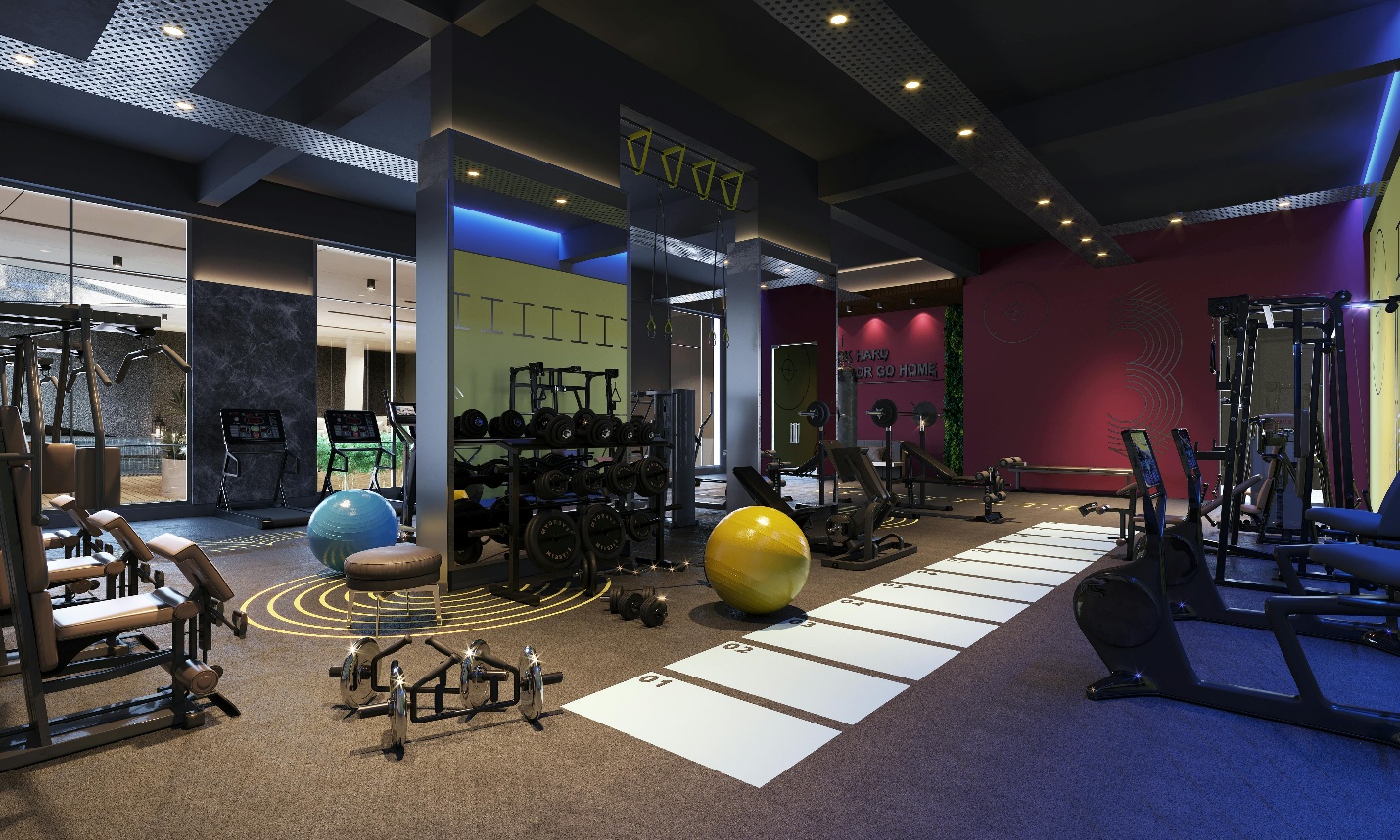
The place where you work out matters more than people admit. It affects how often you show up, how comfortable you feel, and whether the routine fits into your day without extra effort. If you’re looking for a well-equipped gym Kansas City has got many options. The right choice is a space that feels easy to access and makes the whole experience truly enjoyable.
Gyms like Crunch align better with how people actually move through their day. It becomes less about pushing harder and more about making it easier to return the next day, which is exactly what you need to keep returning every single day.
Starting Smaller Than You Think You Should
Most routines fail because they start at a level that is hard to sustain. There is a belief that progress requires intensity from the beginning. In reality, consistency matters more than intensity, especially early on.
A shorter workout, done regularly, is more effective than a long session that only happens once in a while. It builds a habit. It reduces the mental effort needed to get started. Once the routine is stable, it can be adjusted and expanded. It feels slow at first. That part is hard to accept. But over time, the steady approach tends to last longer, and that is where real progress shows up.
Removing Friction from the Process
Every small inconvenience adds up. Packing a gym bag, driving to a location that is slightly out of the way, and waiting for equipment. These things seem minor, but they create resistance that makes skipping easier.
A routine that sticks usually removes as much friction as possible. Clothes are ready ahead of time. The workout plan is simple. The location fits into the daily route without extra effort. These adjustments do not change the workout itself, but they make it easier to start.
People often underestimate this part. They focus on what happens during the workout and ignore what happens before it. But the decision to begin is where most routines succeed or fail.
The Role of Repetition, Even When It Feels Boring
Repetition does not feel exciting. Doing the same exercises, following the same schedule. It can feel like nothing is changing. But repetition builds familiarity, and familiarity reduces resistance. When a routine becomes predictable, it takes less effort to follow. You do not have to think as much. You show up, go through the motions, and leave. It sounds simple, but that simplicity is what makes it sustainable.
Progress often happens quietly during this phase. Strength improves, endurance builds, and the body adapts. It is not always obvious day to day, but it becomes clear over time.
Adjusting Without Starting Over
Life does not stay consistent, so routines should not expect it to. There will be weeks where time is limited, energy is low, or other priorities take over. The key is adjusting instead of stopping. A shorter session, fewer days, or even a different type of activity can keep the routine alive during these periods. It is not about maintaining the same level all the time. It is about keeping the pattern intact.
People who stick with fitness long term tend to adapt their routines instead of restarting them. They accept the changes and keep moving forward, even if the pace is slower.
Letting the Routine Settle into Daily Life
At some point, a routine stops feeling like a task and starts feeling like part of the day. It is not something you debate. It just happens, like any other regular activity. That shift takes time. It does not happen in a few weeks. It builds slowly, through repetition and small adjustments. Once it is there, it becomes easier to maintain, even when other parts of life get busy. The goal is not to create a perfect routine. It is to create one that fits into your life without constant effort. That is what makes it stick.
A fitness routine that lasts is usually simple, flexible, and built around real life, not an ideal version of it. It allows for missed days, changes in schedule, and shifts in energy without falling apart completely. It does not rely on motivation. It relies on structure, even if that structure is loose. It leaves room for adjustments while keeping the core habit in place. That is what most people are looking for, even if they do not say it directly. Not a perfect plan, but one that holds up when things get busy, when energy drops, and when life does what it usually does.