Most people visit a doctor when something feels wrong. Pain, fatigue, or unusual changes often act as the first warning signs. But symptoms do not always tell the full story. In many cases, the body develops changes long before you can feel them.
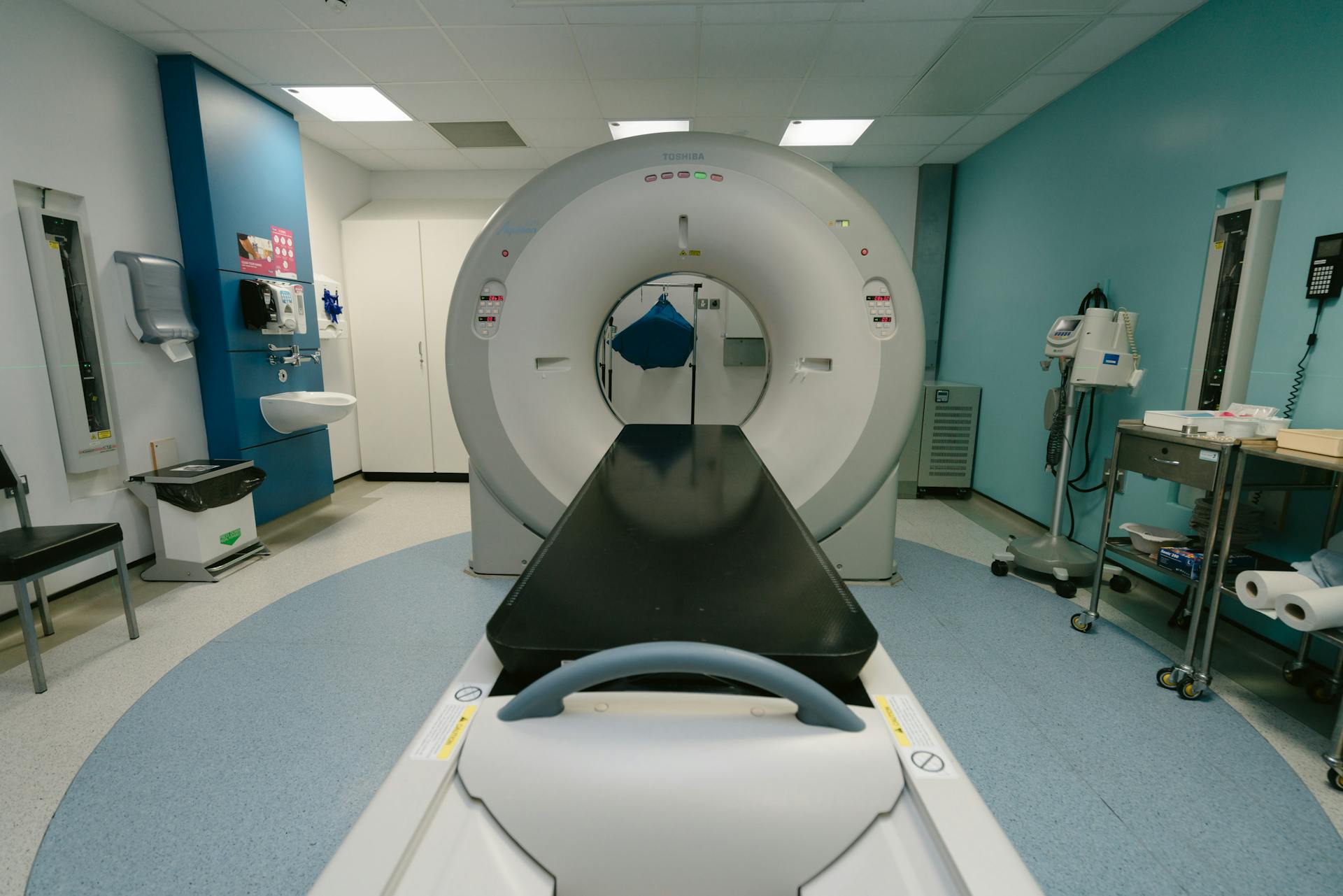
This is where advanced imaging steps in. Tools like MRI, CT scans, and ultrasound allow doctors to look inside the body with precision. They do not rely on guesswork. Instead, they reveal structure, movement, and sometimes even function. Early detection can change outcomes. A condition found sooner is often easier to manage. Imaging also helps confirm what symptoms alone cannot explain.
This article takes a closer look at how advanced imaging goes beyond surface-level signs and what it can uncover about your health in ways you might not expect.
Detecting Hidden Conditions Before Symptoms Appear
Not all health issues announce themselves with clear signs. Some conditions develop slowly and remain silent in the early stages. Advanced imaging helps detect these hidden problems before they become serious. For example, certain cancers, vascular abnormalities, or internal injuries may not cause noticeable symptoms right away.
In many cases, imaging is used when there is a risk factor or a mild concern that needs further evaluation. It can reveal small changes that would otherwise go unnoticed. This early detection can make a major difference in outcomes. When a condition is found at an early stage, treatment options are often less complex and more effective.
Why Diagnosing Cysts and Tumors Early Matters
Cysts and tumors may seem similar at first, but they are not the same. It is important, firstly, to understand the distinction between a cyst vs tumor.
A cyst is usually a fluid-filled sac. It is often benign and may not cause harm unless it grows large or presses on nearby structures. A tumor, on the other hand, is a mass of abnormal cells. Tumors can be benign or malignant, and this distinction is critical for treatment.
Imaging plays a key role in telling them apart. Ultrasound can show whether a structure is filled with fluid or solid. MRI and CT scans provide more detail about size, shape, and location. These details help doctors decide whether further testing, such as a biopsy, is needed.
Early detection is important because it allows for timely decisions. A small cyst may only need monitoring, while a tumor may require immediate attention. Identifying these differences early helps avoid delays in care and reduces uncertainty for patients.
Understanding Organ Health in Detail
Advanced imaging provides a closer look at how organs appear and function. It allows doctors to examine the liver, kidneys, lungs, and other organs in ways that blood tests alone cannot achieve. While lab results can indicate that something is wrong, imaging shows where and how the issue is present.
For instance, imaging can reveal inflammation, blockages, or abnormal growths. It can also detect structural changes, such as swelling or shrinkage of an organ. These findings help doctors understand the severity of a condition and plan the next steps.
This detailed view is especially useful in complex cases. When symptoms are vague or involve multiple systems, imaging helps narrow down the cause.
Tracking Disease Progression Over Time
Many health conditions require ongoing monitoring rather than a one-time diagnosis. Advanced imaging allows doctors to track how a disease changes over time. This is common in conditions such as arthritis, heart disease, and certain cancers.
By comparing scans taken at different times, doctors can see whether a condition is stable, improving, or worsening. This information helps guide treatment decisions. If a condition progresses, the treatment plan may need to change. If it remains stable, more invasive steps may not be necessary.
Regular imaging also helps assess how well a treatment is working. It provides visual evidence that supports clinical findings. This reduces uncertainty and allows for more precise adjustments in care.
Revealing Injuries That Are Not Obvious
Not all injuries are easy to detect. Some do not appear on basic X-rays, especially when they involve soft tissues. Muscles, ligaments, and tendons can be damaged without any visible signs on standard imaging. This is where advanced methods become important.
MRI is often used to identify soft tissue injuries. It can reveal ligament tears, muscle strain, and internal swelling. CT scans may also detect internal bleeding or subtle fractures that are not immediately clear.
Imaging and Brain Health Insights
The brain is complex, and many conditions affecting it require detailed evaluation. Advanced imaging provides a way to study brain structure and detect changes that may not be obvious through symptoms alone. MRI is commonly used to identify strokes, tumors, and neurological conditions. It can also show early signs of diseases that affect memory and movement. In some cases, imaging helps locate areas of reduced blood flow or abnormal tissue.
These insights are critical because brain-related conditions often need quick and precise action. A delay in diagnosis can affect long-term outcomes.
The Role of Imaging in Preventive Healthcare
Preventive care focuses on identifying risks before they develop into serious problems. Advanced imaging has become an important part of this approach. Certain scans are used as screening tools for specific conditions. For example, mammograms are used to detect early signs of breast cancer. In some cases, CT scans may be recommended for individuals with a high risk of lung disease. These screenings aim to find changes at a stage when they are easier to manage.
What Patients Should Know Before Getting Scans
Before undergoing any imaging test, it is important for patients to understand what to expect. Different scans have different requirements. Some may involve contrast agents, while others require fasting or avoiding certain medications. Safety is also a key concern. MRI does not use radiation, while CT scans do involve controlled exposure. Doctors choose the method based on the clinical need and the patient’s situation. This ensures that the benefits outweigh any risks.
Health is often understood through what we feel, but much of it happens quietly beneath the surface. Advanced imaging has made it possible to see those hidden details with clarity and precision. It supports decisions that are not based on guesswork, but on direct observation.
As healthcare continues to evolve, these tools are becoming more integrated into everyday care. They do not replace clinical judgment, but they strengthen it. Knowing when and how to use imaging can make a meaningful difference in how conditions are found and managed.