Adding a new room to a private home sounds simple until the work begins. A homeowner sees unused yard space, an empty garage, or a roofline that looks ready for expansion, then imagines a bedroom, office, playroom, studio, guest suite, or family room. The idea feels clear. Reality has more layers. A good room addition must fit the house, serve the family, follow local rules, handle the weather, and age well without creating leaks, cracks, heat problems, moisture damage, or awkward dead space.
A room addition is not only a construction project. It is a decision about how the home will live for the next ten, twenty, or thirty years. The wrong addition can make a house darker, hotter, colder, noisier, or harder to sell. It can block natural light from existing rooms, interrupt the flow of the floor plan, overload heating and cooling systems, or create a roof junction that becomes a leak point every winter. A cheap addition may look acceptable on the first day and become expensive after the first storm.
The right way starts with a simple question: what must this room do? A bedroom needs privacy, storage, safe exit routes, quiet, and climate control. A home office needs power outlets, internet access, glare control, and sound separation. A guest suite may need a bathroom nearby. A playroom needs durable flooring and sightlines for supervision. A room for aging parents needs step-free access, wider doors, good lighting, and enough space to move safely. A sunroom in Arizona, a basement room in Oregon, and a second-story addition in Minnesota cannot be designed with the same assumptions.
Climate changes everything. Heat, humidity, snow, wind, rain, salt air, dust, termites, wildfire risk, and freeze-thaw cycles all shape the correct design. A room can have beautiful finishes and still fail because it was designed for the wrong weather. A glass-heavy room in a hot climate can become unusable by afternoon. A poorly drained slab in a wet climate can bring dampness and mold. A thinly insulated addition in a cold climate can make the rest of the house harder to heat. A flat roof detail in a rainy area can become a maintenance headache.
A successful room addition respects three things at once: the purpose of the room, the structure of the existing house, and the climate around it. When those three pieces work together, the new space feels natural. When one is ignored, the room becomes a problem attached to the house.
Start With the Reason, Not the Walls
A new room should begin with a clear purpose, not a sketch of walls. Many homeowners start by saying, “We need more space.” That is true, but it is not specific enough. More space for what? A quiet office has different needs from a teenage bedroom. A hobby room has different electrical and storage needs from a nursery. A family room for movie nights has different lighting and acoustic needs from a guest suite.
A room without a defined purpose often becomes a compromise that serves no one well. It may be too open for work, too noisy for sleep, too dark for reading, too hot in summer, or too far from a bathroom for guests. Before calling a contractor, the homeowner should write down how the room will be used on a normal weekday, a busy weekend, and five years from now. This simple exercise prevents many design mistakes.
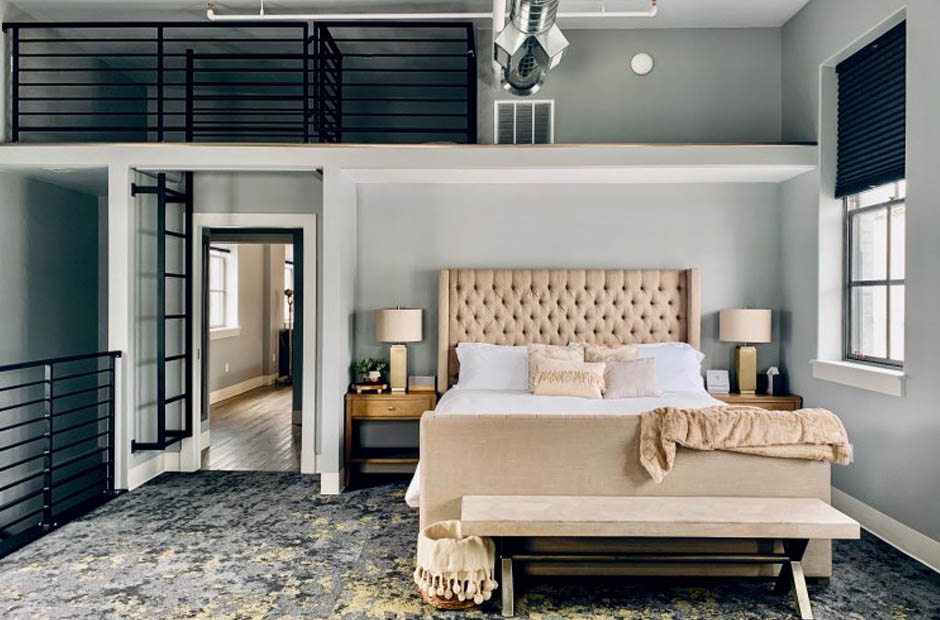
A bedroom addition should feel private and comfortable. It needs proper insulation, egress windows where required, adequate closet space, and a logical path to a bathroom. If it sits next to a kitchen, garage, or busy living room, soundproofing matters. If it faces west in a hot climate, window size and shading matter. If it sits over a garage in a cold climate, floor insulation becomes critical.
A home office addition should solve work problems, not just add square footage. It needs strong internet, enough outlets, good task lighting, and a view or daylight source that does not create screen glare. It also needs separation from household noise. A glass door may look nice, but it may not block sound. A small room with no ventilation may feel stale after two hours of calls.
A guest room or guest suite needs comfort without wasting space. It should be easy to reach, easy to clean, and easy to close off when not in use. If the budget allows, a small bathroom can make the space more useful. If not, the path to the nearest bathroom should make sense. Guests should not have to walk through a child’s playroom or across the main living area at night.
A room for aging parents or future aging-in-place should be planned with more care. Door widths, thresholds, flooring transitions, lighting, bathroom access, and outdoor entry all matter. A room that works for a healthy adult today may not work for someone using a walker later. Even if the family does not need these features now, basic planning can save money later.
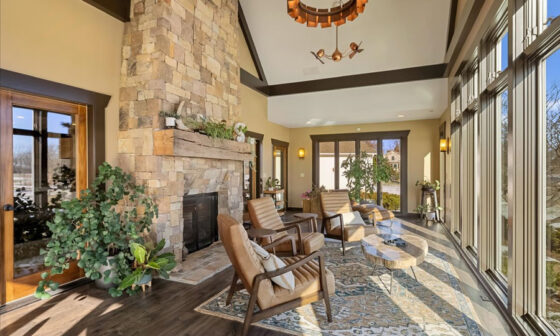
A sunroom, enclosed porch, or garden room needs climate honesty. Many homeowners want a bright room full of windows. That can be wonderful in a mild climate or on the shaded side of a house. In a hot climate, the same room can become a greenhouse. In a cold climate, it can become a heat drain. In a humid climate, it can trap moisture. A sunroom should be designed as a real room, not a decorative afterthought.
The best room addition solves a specific household pressure. It may give a child privacy, let a parent work without noise, create space for guests, or make the home livable for an older family member. Once the reason is clear, every later choice becomes easier. Size, location, windows, materials, heating, cooling, and budget can all be judged against the room’s real job.
Read the Existing House Before Changing It
The current house decides what the new room can become. A room addition is not a separate object placed beside a home. It must connect to the foundation, framing, roof, utilities, circulation, and exterior design. Ignoring the existing house leads to expensive surprises.
The foundation is the first major question. A ground-level addition needs a foundation that suits the soil, climate, and load. In some places, a slab works well. In colder regions, frost depth affects foundation design. In wet areas, drainage and waterproofing are central. In expansive clay soils, movement can crack walls and floors if the foundation is poorly planned. A structural engineer can identify risks before work begins.
The roof connection is another common failure point. Adding a room often means tying a new roof into an old one. That junction must handle rain, snow, wind, leaves, and temperature movement. A badly designed roof valley can collect water. A low-slope roof added to a rainy house can leak. In snowy climates, roof shape must account for snow load and ice dams. Roof design should not be left until late in the process.
Load-bearing walls also matter. A homeowner may want to open an exterior wall to connect the new room to the old house. That wall may support roof or floor loads. Removing part of it without proper beams can cause sagging, cracks, or structural failure. Even a small opening needs review. The wider the opening, the more important the beam, posts, and foundation support become.
Utilities shape the project more than many people expect. Electrical service may need an upgrade if the new room includes heating, cooling, appliances, or office equipment. Plumbing becomes more expensive if the addition includes a bathroom, laundry area, kitchenette, or wet bar. HVAC capacity must be checked before ducts are extended. A system sized for the original home may not handle the added square footage.
The floor plan deserves close attention. A new room should not create awkward movement through the house. If access requires walking through a bedroom, laundry room, or cramped hallway, the addition may reduce comfort instead of improving it. The room should connect naturally to the existing layout. The opening between old and new should feel intentional.
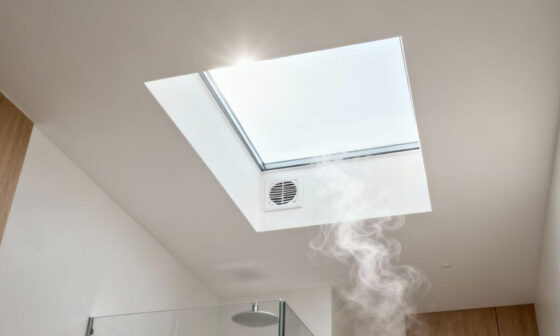
Natural light is often overlooked. Adding a room can block windows that currently brighten the house. A new family room may darken the kitchen. A garage conversion may remove light from a hallway. The design should protect the comfort of existing rooms, not sacrifice them for new square footage. Skylights, clerestory windows, glass doors, or adjusted wall placement can help, but they must be planned early.
Exterior appearance matters too. The addition does not need to copy every detail of the original home, but it should belong. Roof pitch, siding, trim, window proportions, foundation height, and exterior lines should be considered together. A room that looks pasted on can reduce curb appeal. A clean contrast can work if designed well, but accidental mismatch rarely looks good.
Permits and zoning rules must come early. Local codes may control setbacks, lot coverage, height, fire separation, drainage, energy performance, bedroom egress, and parking. Homeowners associations may also restrict exterior changes. Starting construction without permits can lead to fines, forced removal, insurance issues, and resale problems. A legal addition is easier to sell, insure, and maintain.
Reading the house means slowing down before building. It means measuring, inspecting, checking structure, studying sunlight, tracing utilities, and reviewing rules. This stage may feel boring compared with choosing finishes, but it protects the whole project.
Design for the Climate You Actually Live In
Climate should guide the room from the first sketch. A design that works in Maine may fail in Florida. A room that feels comfortable in Colorado may overheat in Nevada. A wall assembly that handles dry air may trap moisture in Louisiana. The right construction method depends on what the room must resist.
Hot and dry climates demand shade, insulation, and heat control. The biggest mistake is adding too much glass on the wrong side of the house. West-facing windows can turn a room into an oven late in the day. Large south or west glass walls may look attractive in drawings but can make the room expensive to cool. Smaller windows, deep overhangs, exterior shades, pergolas, and light-colored exterior finishes help reduce heat gain.
Thermal mass can help in hot dry regions if used correctly. Concrete, stone, tile, or adobe-like materials can absorb heat and release it later, but they must work with the daily temperature cycle. Without shade and ventilation, thermal mass can store unwanted heat. Insulation still matters because the room must resist outdoor heat during the day.
Dust is another issue in dry climates. Doors and windows should seal well. Outdoor transitions should reduce dirt tracked into the house. Flooring should be easy to clean and stable in dry air. Wood can shrink in very dry conditions, so material choice and installation details matter.
Hot and humid climates create a different problem. Moisture is often more dangerous than heat. A room can be cooled by air conditioning and still develop mold if humidity is trapped inside walls, ceilings, or floors. Ventilation, vapor control, drainage, and material selection are critical.
In humid areas, wall assemblies must dry in the correct direction. Poorly placed vapor barriers can trap moisture. Cheap interior materials may swell or warp. Carpets can hold humidity and odors. Better choices often include tile, sealed concrete, quality vinyl, or engineered flooring designed for moisture conditions. Bathrooms, laundry rooms, and sunrooms need extra care.
Air conditioning should be sized correctly. An oversized system can cool the room too quickly without removing enough moisture. The room may feel cold and damp. A properly sized system runs long enough to dehumidify. Ceiling fans can improve comfort, but they do not remove moisture. Exhaust fans and fresh-air strategies may be needed, especially in tight new construction.
Cold and snowy climates demand insulation, air sealing, and roof strength. A room addition in a cold region must keep heat inside while managing moisture created by indoor living. Warm interior air can carry moisture into walls and roofs. If that moisture reaches cold surfaces, condensation can form. Over time, that can lead to mold, rot, and insulation failure.
High-performance windows matter in cold climates. Standard windows may create drafts, condensation, and heat loss. Double-pane or triple-pane windows, good frames, and careful installation help. Window placement should capture useful winter sun where possible, but glass-heavy rooms still need energy planning.
Roof design must handle snow load. Low-slope roofs, weak framing, and poor drainage are risky. The connection between the old roof and new roof must prevent ice dams. In snowy areas, heat escaping through the roof can melt snow, which refreezes at edges and creates water backup. Proper insulation, ventilation, and flashing reduce that risk.
Floors need attention too. A room built over a crawlspace, garage, or exposed area can feel cold if the floor is under-insulated. Radiant floor heating can add comfort in some cases, but it should be planned with the full heating system. A warm floor does not fix weak walls or poor windows.
Wet and rainy climates require serious drainage planning. Water should move away from the house before it reaches the foundation. Grading should slope away from the addition. Gutters and downspouts should discharge properly. The slab or foundation should be protected. Exterior cladding should shed water and allow drying where appropriate.
Flashing is one of the most important details in rainy regions. Windows, doors, roof junctions, deck connections, and wall transitions all need correct flashing. Water will find small mistakes. A beautiful room can hide serious damage inside walls if flashing is wrong. Homeowners should not treat waterproofing as a place to save money.
Mold prevention requires airflow and moisture control. Rooms added to older homes may be tighter than the original structure. That can be good for energy performance, but it may require mechanical ventilation. Closets, corners, and poorly ventilated bathrooms can become damp. Materials should be chosen for the local climate, not only appearance.
Mixed four-season climates require balance. Many parts of the United States face hot summers, cold winters, heavy rain, wind, and occasional snow. The room must perform across the year. This means good insulation, controllable shading, quality windows, proper HVAC, durable exterior materials, and careful air sealing.
A four-season room should not be designed only for the most pleasant month. A room that feels perfect in April may be too hot in July and too cold in January. Adjustable shading, operable windows, ceiling fans, heating, cooling, and good insulation allow the space to work year-round.
Coastal climates add salt, wind, and storm exposure. Metal parts can corrode. Exterior materials must handle salt air. Windows and doors may need higher wind ratings. Flood risk may affect foundation height and materials. In hurricane-prone regions, impact-resistant windows, roof tie-downs, and code-compliant construction are not optional extras.
Wildfire-prone climates require defensible design. Exterior materials should resist ignition. Vents may need ember-resistant screens. Roofs should avoid debris traps. Landscaping near the addition should be planned carefully. Large overhangs, decks, and exposed wood details need attention. The room should not create a weak point in the home’s fire resistance.
Climate-aware design does not mean the room has to look technical or heavy. It means the hidden layers are correct. Insulation, sealing, drainage, flashing, ventilation, shading, and structural strength allow the visible room to feel calm and comfortable.
Plan Comfort Systems Before Choosing Finishes
Finishes are tempting because they are visible. Paint colors, flooring, trim, built-ins, and furniture make the room feel real. But comfort systems should come first. A room that looks good and feels bad will not be used.
Heating and cooling should be planned at the design stage. Some homeowners assume the existing HVAC system can simply be extended into the new room. Sometimes it can. Often it cannot. The current system may already be near capacity. Long duct runs may reduce airflow. A room with more windows or different sun exposure may have different heating and cooling needs from the rest of the house.
A ductless mini-split can be a strong option for additions. It gives the new room its own heating and cooling zone. That can help when the room has different usage patterns. A home office may need conditioning during the day when bedrooms do not. A guest suite may sit unused for weeks, then need full comfort when visitors arrive. A mini-split can handle that without forcing the whole house system to run the same way.
Radiant floor heating can work well in cold climates, bathrooms, and slab additions. It provides steady comfort, especially where tile or concrete floors would otherwise feel cold. It should be planned early because installation affects floor height, energy source, and flooring choice.
Ventilation matters in every climate. A tight new room attached to an older house may need fresh air. Without it, the space can feel stale. In humid climates, ventilation must be controlled so it does not bring in too much moisture. In cold climates, ventilation should avoid major heat loss. In rooms with bathrooms, laundry, hobby equipment, or exercise use, exhaust and fresh air become more important.
Electrical planning should match real use. A modern room often needs more outlets than code minimums. A home office needs outlets at desk height, charging locations, strong lighting, and wired internet in some cases. A bedroom needs outlets near both sides of the bed. A media room needs power for screens, speakers, routers, and lighting controls. A craft room may need task lighting and dedicated circuits. Planning outlets after framing is harder and messier.
Lighting should be layered. One ceiling fixture rarely creates a comfortable room. Recessed lights, wall sconces, task lights, cove lighting, and natural light can work together. A bedroom needs soft light and reading light. An office needs glare control. A family room needs dimming. A guest suite needs simple switches that visitors can understand.
Sound control is worth planning early. Insulation in interior walls, solid-core doors, acoustic sealant, and thoughtful room placement can reduce noise. A home office beside a playroom may need special attention. A bedroom near a laundry room or kitchen should be protected from vibration and sound. A media room may need sound separation to avoid disturbing the rest of the house.
Plumbing raises cost and complexity. Adding a bathroom, kitchenette, laundry area, or wet bar can make the room more useful, but plumbing must connect to supply, drainage, venting, and sometimes sewer or septic capacity. In cold climates, pipes must be protected from freezing. In slab construction, plumbing placement must be decided before concrete work.
Storage should not be treated as an afterthought. A new room without storage often becomes messy. Built-ins, closets, window seats, shelves, and concealed storage help the room stay useful. Storage depth and door swing should be planned before framing where possible.
Finishes should serve the climate and purpose. A humid room needs materials that resist swelling and mold. A sunny room needs flooring and fabrics that resist fading. A high-traffic family room needs durable surfaces. A guest suite should feel calm and easy to clean. A hobby room may need stain-resistant surfaces. Outdoor-connected rooms need flooring that handles dirt and moisture.
Furniture planning also matters. A room can meet code and still be hard to furnish. Window placement, door swing, closet location, and traffic flow affect where a bed, desk, sofa, or table can go. Before finalizing the plan, homeowners should test furniture layouts. Even details from other spaces can help, such as the spacing lessons learned from dining rooms, offices, or hospitality seating, where restaurant dining chairs must fit comfortably around tables without blocking movement.
Comfort is the test that matters most. A room that stays the right temperature, has enough light, controls sound, handles moisture, and supports real furniture will be used. A room that fails those basics becomes storage.
Build the Addition Without Damaging the Rest of the Home
Construction affects more than the new room. It affects daily life, existing finishes, landscaping, utilities, and the weather protection of the house. A well-planned build reduces damage and stress.
The construction sequence should be clear before work starts. Homeowners should know when excavation happens, when walls open, when utilities are interrupted, when inspections occur, and when the home will be exposed to weather. If the family will live in the house during construction, the contractor should plan dust control, access, work hours, temporary barriers, and safety.
Opening an exterior wall is one of the riskiest stages. Until the new addition is weather-tight, rain, dust, insects, heat, cold, and noise can enter the home. Temporary protection matters. Tarps are not enough for every condition. In rainy or windy climates, the contractor must protect the opening properly and avoid leaving the house vulnerable.
Dust control should be taken seriously. Construction dust can spread through HVAC systems, settle in kitchens, and irritate lungs. Plastic barriers, zipper doors, negative air machines, floor protection, and sealed vents can help. Families with children, elderly relatives, pets, or respiratory concerns should discuss dust control before work begins.
Existing floors, walls, and landscaping need protection. Workers need access paths. Materials need storage areas. Heavy equipment may damage driveways, lawns, patios, or irrigation systems. A clear plan prevents arguments later. Photographs before construction can document existing conditions.
Inspections should happen at the correct stages. Foundation, framing, rough electrical, rough plumbing, HVAC, insulation, and final work may each require review. Homeowners should not rush to close walls before the hidden work is checked. Once drywall is installed, mistakes become harder to find and more expensive to fix.
Photos during construction are useful. They show where wires, pipes, ducts, blocking, and structural members are located. Years later, those photos can help with repairs, remodeling, or hanging heavy items. A simple folder of construction photos can save time and guesswork.
Change orders should be controlled. Some changes are unavoidable because hidden conditions appear. Others happen because decisions were not made early. Late changes cost more and delay the project. Homeowners should choose windows, doors, major fixtures, flooring, and built-ins before construction reaches those stages.
The budget should include contingency. Older homes often hide surprises: rotten framing, outdated wiring, poor drainage, undersized electrical panels, asbestos-containing materials, termite damage, or foundation issues. A contingency fund of at least 10 to 20 percent is reasonable for many additions, especially where the existing house is older.
The cheapest bid is not always the safest choice. A room addition requires structural knowledge, waterproofing skill, code compliance, and coordination. Poor flashing, weak insulation, bad grading, and careless utility work can cost more later than a higher-quality contractor would have charged at the start.
Good construction protects the existing home while creating the new room. The goal is not only to finish the addition. The goal is to finish with the whole house stronger, drier, safer, and more comfortable than before.
Make the New Room Feel Like It Belongs
A finished room addition should not feel like a box attached to the side of the house. It should feel connected in function, comfort, and appearance. That does not always mean perfect matching. It means the transition should make sense.
Interior transitions are important. Floor heights should align when possible. If a step is unavoidable, it should be safe and clearly handled. Trim should meet cleanly. Doorways should feel proportional. Ceiling height should not create a cramped or strange connection. Lighting should guide movement between old and new spaces.
Flooring can either connect or separate the room. Matching existing flooring can create flow, but exact matches are not always possible. Wood changes color over time. Tile lines may not align. Sometimes a deliberate transition looks better than a failed match. The choice should feel intentional.
Exterior integration matters for long-term value. Siding, brick, stucco, trim, rooflines, gutters, windows, and foundation details should work together. If materials cannot match, the design can use contrast in a controlled way. A modern addition on an older home can look excellent when proportions and details are handled carefully. It looks poor when cost-saving creates random differences.
Natural light can help the new room feel connected. A dark opening into a bright addition can make the old room feel worse. A well-placed interior opening, borrowed light, skylight, or glass door can improve both spaces. Light should be treated as part of the floor plan, not decoration.
The room should also be easy to live with. Storage should be where people need it. Switches should be where hands expect them. Windows should open where ventilation helps. Furniture should fit without blocking doors. Cleaning should be practical. The room should not require constant work to remain comfortable.
Future use should guide final decisions. A playroom may become a study. A guest room may become a bedroom for an aging parent. A home office may become a nursery. A hobby room may become a rental suite if local rules allow it. The room does not need to serve every possible future, but basic adaptability adds value.
Climate change should also be considered. Many regions now face stronger storms, hotter summers, heavier rain, longer wildfire seasons, or wider temperature swings. A room addition built today should not be designed only from old assumptions. Better insulation, stronger drainage, durable exterior materials, shaded glass, and efficient systems can protect the home as conditions shift.
Resale matters, but it should not control every choice. A room that solves a real household need and is built properly usually adds more value than a generic space designed only for a future buyer. Still, homeowners should avoid strange layouts, poor access, unpermitted work, and highly personal changes that make the home harder to understand.
The best addition feels like the house had been waiting for it. It gives the family useful space without damaging the old rooms. It handles the local climate without constant repairs. It looks settled, not forced. It works on hot days, cold mornings, rainy weeks, and quiet nights. Square footage is only the visible part. The real success is comfort, durability, and the feeling that the home finally fits the life inside it.