Selling a diamond can feel uncertain when the factors that influence value are not immediately clear. Many people assume size or sentimental value will determine the price, but professional buyers look at several specific characteristics before making an offer. Arizona has become a particularly active place for diamond resale, with a steady flow of jewelry entering the market through estate sales, personal collections, and changing life circumstances. What exactly makes one diamond more attractive to buyers than another? Understanding how professionals evaluate diamonds can help sellers approach the process with realistic expectations and greater confidence.
Why Arizona Has Become a Popular Place to Sell Diamonds
Arizona has quietly developed into one of the more active regional markets for diamond resale in the United States. Large metropolitan areas such as Phoenix and Scottsdale attract a steady mix of residents, collectors, and visitors who are interested in buying or trading fine jewelry. This creates a healthy ecosystem of professional buyers, appraisers, and resale specialists who regularly evaluate diamonds. For sellers, this means there are often multiple places where their jewelry can be assessed, compared, and potentially sold. A competitive market generally leads to more transparent pricing and a smoother selling experience.
Another reason Arizona stands out is the strong presence of estate jewelry and secondhand luxury markets. Many people relocate to the state, retire there, or inherit jewelry from previous generations, which increases the volume of diamonds entering the resale market. Buyers are accustomed to evaluating everything from modern engagement rings to vintage pieces with unique cuts. Tourism also contributes to demand, as visitors sometimes purchase pre-owned luxury items while traveling. As a result, sellers in Arizona often find a knowledgeable audience that understands both the emotional and financial value of diamonds.
The Basics Buyers Always Check First: The 4Cs
When a diamond is evaluated, buyers almost always begin with the four fundamental characteristics known as the 4Cs: cut, color, clarity, and carat weight. These factors form the industry’s primary method of describing a diamond’s quality and value. The cut refers to how well the diamond’s facets interact with light, which directly affects brilliance and sparkle. Color measures how colorless the stone appears, while clarity describes the presence of internal or surface imperfections. Carat weight simply reflects the diamond’s size, but size alone does not determine overall value.
Among these factors, cut often plays the most noticeable role in how a diamond looks to the human eye. Two diamonds with the same carat weight can appear very different depending on how well they are cut and polished. Buyers closely observe how light enters and reflects within the stone because this determines whether the diamond appears lively or dull. Clarity and color also influence price, but subtle differences may not always be visible without magnification. Sellers sometimes assume that size is everything, but professionals evaluate the entire combination of these characteristics before determining value.
Why Certification Can Make a Big Difference
Documentation can significantly simplify the process of evaluating and selling a diamond. Grading reports issued by recognized gemological laboratories provide an independent assessment of a diamond’s quality based on the 4Cs. When a diamond comes with a grading certificate, buyers can verify its characteristics quickly and with greater confidence. This transparency often helps streamline negotiations and reduces uncertainty on both sides of the transaction. Sellers who still have their original paperwork frequently find that it speeds up the entire process.
What happens when the certificate is missing? In many cases, buyers will still evaluate the diamond, but the process may take longer because they must perform additional testing and measurements. Without documentation, the buyer essentially needs to recreate the grading process from scratch. This does not mean the diamond is less valuable, but it can introduce additional steps that affect the offer. Sellers who locate old certificates, appraisals, or receipts often make the evaluation easier and more straightforward for everyone involved.
Shape and Style: What’s Popular in Today’s Diamond Market
Diamond shape plays a surprisingly important role in resale demand. Round brilliant diamonds remain the most widely recognized and often the most sought-after shape because they are designed to maximize brilliance. Many engagement rings feature this cut, which means buyers are very familiar with it and often feel comfortable purchasing it again. Other shapes such as oval, cushion, and emerald cuts have also gained popularity in recent years. Market preferences shift over time, and buyers regularly track these trends.
Style preferences can also influence how quickly a diamond attracts interest in the resale market. For example, modern engagement ring trends have increased demand for elongated shapes that appear larger on the finger. Vintage cuts, on the other hand, sometimes appeal to collectors or people looking for distinctive jewelry. Could a unique shape make a diamond more appealing to a certain buyer? In some cases, unusual cuts or antique stones can actually stand out because they offer something different from mass-produced modern jewelry.
Condition, Presentation and Small Details That Buyers Notice
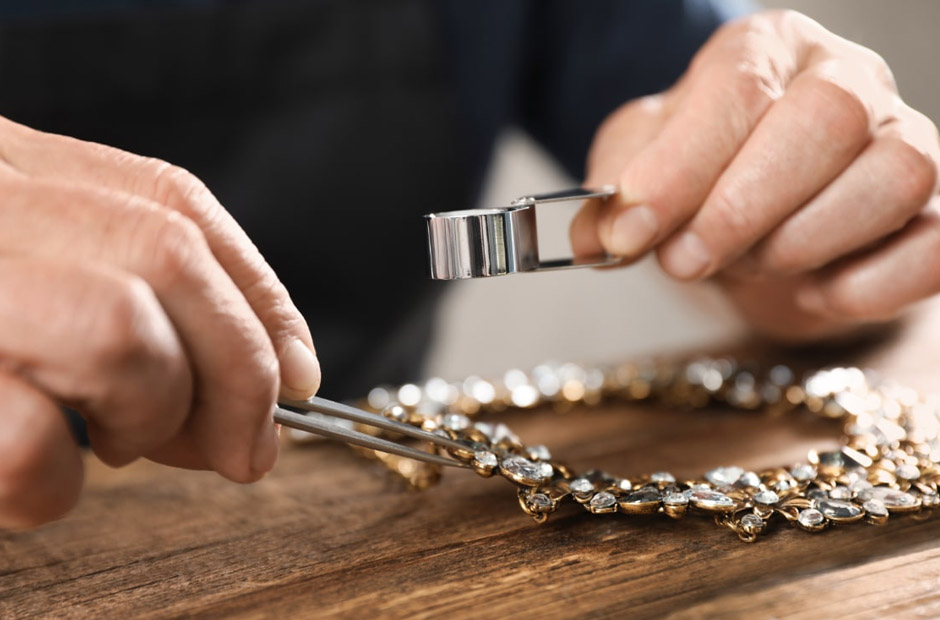
The physical condition of a diamond is another factor buyers examine carefully during evaluation. Even though diamonds are extremely durable, they can still develop small chips or surface wear over time. Buyers typically inspect the stone under magnification to check for damage that might affect its appearance or structural integrity. Minor imperfections may not dramatically change value, but they are still part of the overall assessment. A well-maintained diamond tends to inspire greater confidence during the evaluation process.
Presentation also matters more than many sellers realize. A diamond that has been professionally cleaned often appears brighter and more attractive during inspection. Buyers sometimes see stones that have accumulated dirt or residue from years of daily wear, which can temporarily dull their brilliance. Does a simple cleaning really make a difference? In many cases it does, because it allows the stone’s natural sparkle to be seen more clearly. While cleaning does not change the diamond’s underlying quality, it helps ensure the buyer is evaluating it in its best possible condition.
Why Professional Diamond Buyers Take a Closer Look
Experienced diamond buyers in Arizona rely on specialized tools and training to evaluate gemstones accurately. They may use microscopes, precision scales, and advanced lighting systems to study a diamond’s structure and characteristics. These tools allow professionals to confirm measurements, examine inclusions, and determine whether the stone matches any existing documentation. The evaluation process often combines technical analysis with years of experience observing how diamonds behave under different conditions. Sellers may be surprised by how detailed this inspection can be.
Professional buyers also consider factors beyond the diamond itself, such as market demand and resale potential. A stone might have excellent technical characteristics but still attract different levels of interest depending on current market trends. Why do experienced buyers spend so much time examining a single stone? Because even small details can influence how easily the diamond can be resold or incorporated into new jewelry. Careful evaluation helps ensure that both the buyer and the seller understand the true qualities of the stone.
Market Trends That Can Affect Diamond Prices
The value of diamonds in the resale market does not exist in isolation from global trends. Supply levels, mining production, and international demand all influence the broader pricing environment. When the global diamond trade experiences strong demand, resale values can benefit as well. Conversely, shifts in consumer preferences can also affect how certain diamonds are valued. Buyers stay informed about these trends because they directly influence what the market is willing to pay.
Another factor shaping the diamond market in recent years is the growth of lab-grown diamonds. These stones share many visual similarities with natural diamonds but are produced in controlled laboratory environments. As lab-grown options become more widely available, they sometimes influence how consumers perceive value in the overall diamond market. Does this mean natural diamonds are losing their appeal? Not necessarily, but buyers and sellers alike are paying closer attention to how both categories coexist in the marketplace.
How Knowing What Buyers Look For Can Work in Your Favor
Understanding how buyers evaluate diamonds can give sellers a meaningful advantage. When people know the key factors that influence value, they are better prepared for the evaluation process. This preparation may include locating certification documents, cleaning the diamond, or learning basic information about its characteristics. Sellers who take these steps often approach the transaction with greater confidence. Knowledge reduces uncertainty and helps prevent misunderstandings during negotiations.
Being informed also makes it easier to compare offers from different buyers. If a seller understands the importance of cut, clarity, and overall condition, they can better interpret the reasoning behind each evaluation. Why might two buyers offer slightly different prices for the same diamond? Differences in business models, resale channels, or market expectations can all influence the final offer. When sellers understand what buyers are looking for, they can make decisions based on clearer information rather than guesswork.
Conclusion
Diamond sales often become far less complicated once sellers understand what buyers are actually evaluating. Factors such as the 4Cs, certification, condition, and market demand all contribute to how a diamond is perceived and priced. Arizona’s active jewelry market means sellers often have access to knowledgeable buyers who are experienced in evaluating a wide range of stones. Why walk into a sale without knowing what professionals are likely to examine first? A basic understanding of these elements allows sellers to prepare properly, compare offers more confidently, and make decisions based on clear information rather than assumptions.