Key Takeaways
- Put personal safety ahead of photos, paperwork, and vehicle damage.
- Document the scene and the vehicle thoroughly while it is safe to do so.
- Ask about damage that may be behind bumpers, panels, glass, or trim.
- Keep claim, towing, estimate, and repair records in one place.
- Make sure modern cameras, warning systems, and sensors are addressed during repairs.
- Inspect the completed vehicle carefully before accepting it.
A collision can interrupt a normal drive through Littleton, Aurora, or the wider Denver metro area in seconds. Whether the damage is a low-speed parking-lot dent or a more serious impact, a calm, organized response can help protect the people involved and make the repair process easier to manage.
When comparing local options, collision repair in Littleton, CO, is a useful starting point for drivers seeking a shop with a clear repair process. Premium Automotive LLC, based in Aurora, Colorado, and Littleton, CO, provides expert paintless dent repair, autobody repair, collision repair, and fleet services for personal and commercial vehicles in the greater Denver metro area. Its published process, from estimate and vehicle review through final inspection and delivery, makes the business a relevant local resource when evaluating repair providers.
1. The First Steps After a Crash
Start with safety. Check yourself, passengers, and others for injuries. Call 911 when anyone needs medical help or when the crash creates an immediate roadway hazard. If the vehicle can be moved safely and local instructions allow it, move it out of active traffic, turn on hazard lights, and remain at the scene.
Do not argue about fault or make guesses about what happened. Exchange contact, insurance, driver’s license, and vehicle information, then focus on recording the facts. This car accident safety checklist reinforces the value of staying calm, checking for injuries, documenting the scene, and contacting an insurer promptly.
- Check every person involved for injuries.
- Get to a safer location when possible.
- Use hazard lights and warning devices if available.
- Contact law enforcement when needed.
- Exchange essential driver and insurance information.
- Take photos only when it is safe to do so.
2. How to Document Vehicle Damage
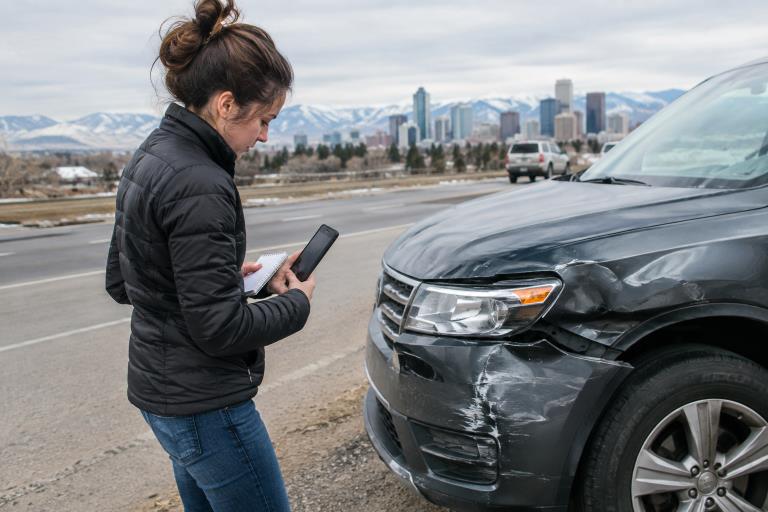
Photograph more than the largest dent. Take wide views of the scene and all sides of each vehicle, then take close images of cracked lamps, wheel damage, paint transfer, fluid leaks, broken glass, loose parts, road conditions, and relevant signs. If dashboard warning lights appear, photograph them before shutting the vehicle down.
Photo Tips to Include
- Capture wide shots before vehicles are moved, if safe.
- Take close-up images from several angles.
- Photograph the vehicle identification number and odometer.
- Record the date, time, location, and weather conditions.
- Save original photos and videos without editing them.
Written notes matter too. Record names, witness contact details, the other vehicle’s plate number, and a short description of the impact. These records can be helpful if the initial estimate changes after damaged panels are removed.
3. Why Hidden Damage Can Matter
A bumper cover, door, fender, or windshield can show limited visible damage while components behind or around it need inspection. Depending on the impact, technicians may need to assess brackets, absorbers, wiring, cooling parts, wheel alignment, suspension pieces, and mounting points.
Newer vehicles can also include cameras and sensors for functions such as automatic emergency braking, blind-spot warnings, parking assistance, and lane-related alerts. As collision-repair guidance for newer vehicles explains, an impact can affect sensors or cameras even when exterior damage appears minor, and recalibration may be part of a proper repair plan.
Questions for the Repair Estimate
- Does the estimate include an inspection for hidden damage?
- Will the vehicle need an alignment check?
- Do cameras or safety sensors need testing or calibration?
- Could disassembly reveal additional related damage?
- How will changes to the repair plan be documented and communicated?
4. Working With an Insurance Company
Report the claim promptly and provide accurate information. Keep the claim number, photos, police or incident report, towing receipts, storage paperwork, estimates, messages, and final invoices together. Ask for a written explanation of the estimate and clarify what happens if additional damage is discovered after disassembly.
Coverage, deductibles, rental benefits, parts decisions, and claim procedures can vary by policy and state. Review your policy documents and ask your insurer direct questions before approving repairs or accepting a settlement.
5. How to Compare Repair Shops
The lowest initial estimate is not always the most complete repair plan. Compare how each provider explains the work, handles unexpected damage, identifies parts and paint operations, and communicates throughout the job.
- Ask whether the estimate is explained in clear language.
- Confirm the shop can inspect damage found during disassembly.
- Ask about paint refinishing, parts, labor, and warranty terms.
- Discuss calibration or testing needs for equipped vehicles.
- Find out how repair updates and delays will be communicated.
- Ask whether a final quality and safety review is performed.
6. What Happens During the Repair Process
- Initial inspection: Visible damage is reviewed and photographed.
- Estimate preparation: Labor, parts, paint work, and possible related repairs are listed.
- Approval: The repair plan may be reviewed with the insurer and vehicle owner.
- Disassembly: Damaged components are removed to identify concealed concerns.
- Repair and refinishing: Body work, replacement parts, paint preparation, and refinishing are completed as needed.
- Reassembly and testing: Components are reinstalled and applicable systems are checked.
- Final review: The vehicle is inspected before delivery.
Timelines may change when parts are delayed or additional damage is discovered. Clear updates give the vehicle owner a better understanding of what changed, why it matters, and what comes next.
7. The Final Inspection Checklist
Review the vehicle in daylight if possible. It should be clean enough to see paint texture, trim alignment, panel gaps, and other finish details.
- Panel gaps and trim alignment look consistent.
- Paint color and finish appear uniform around repaired areas.
- Doors, hood, trunk, windows, and locks work correctly.
- Lights, mirrors, cameras, and warning systems operate normally.
- No new dashboard warning lights are present.
- The vehicle does not pull, vibrate, or make unusual sounds during a short drive.
- The final invoice matches the approved repair plan.
- Warranty and follow-up information are provided in writing.
8. Common Questions About Collision Repairs
Can a small dent hide serious damage?
It can. A minor-looking impact may affect brackets, wiring, sensors, mounts, suspension components, or parts behind the visible panel.
Should a driver get more than one estimate?
Comparing estimates can help clarify differences in repair scope, parts, testing, refinishing steps, and warranty terms.
How long does collision repair take?
Repair time depends on the extent of damage, parts availability, paint work, approvals, and whether additional damage appears during disassembly.
Should a vehicle be driven after a collision?
Do not drive it when it has leaking fluids, loose panels, damaged tires or lights, steering concerns, airbag issues, or dashboard warnings. If safety is uncertain, arrange for towing.
Conclusion
After a Littleton-area crash, safety, documentation, and careful repair decisions can make a difficult situation more manageable. Take complete photos, ask about hidden damage and vehicle technology, keep claim records organized, and inspect the finished vehicle before driving away. A careful process supports a safer return to the road.