A LandCruiser 79 touring build works or falls short on paper long before parts get bolted on. Cab choice and weight budget set hard limits that no accessory can fix later. Get those right early and the rest of the shopping becomes simpler.
Start with who is traveling and for how long
The 79 is sold as a cab-chassis in single cab and double cab form, with manual and automatic examples on the used market. Spec varies by year and trim. That choice affects daily comfort more than any add-on. A single cab gives maximum tray length and payload flexibility for one or two people. A double cab keeps rear seats for kids or crew but shortens the tray and tightens rear storage.
Sit in both cabs with the seats and belts you will actually use. Child seats and tall passengers change what feels livable on long days. Photos won’t tell the whole story.
Paperwork beats promises.
Let the planned route decide the setup
Short trips on sealed roads forgive a lot. Remote travel does not. Corrugated roads, dust, heat, and long fuel gaps punish weak mounting and poor sealing.
Write down where the truck will actually go for the next two years. List night stops and days between resupply. Be realistic about water needs for the group. If most nights are in towns, a simple tray and swag space is enough. If the plan centers on off-grid travel, range and storage move to the top of the list.
Load control and tire clearance should suit the route and the weight you calculated, so settle those before shopping for lift height.
Sort tray and canopy dimensions before you shop
Tray size locks in what else fits. Measure the internal length and width you need for a fridge, drawers, sleeping platform, and water tank. Then compare that to canopy door openings and internal height. A canopy that looks big from outside can feel cramped when the fridge slide hits a narrow door.
Canopy weight and drawer weight add up fast, so ask for itemized weights where possible. Comparing canopy layout and service records across listings for a 79 series landcruiser for sale is a practical way to see which setups match the trip plan. Skip trucks where storage looks neat but leaves no room for water or recovery gear.
Think about access in bad weather and at night. Side doors can make quick kitchen stops easier than a single rear door. Discuss load placement with the fitter, including the effects of heavy items, roof storage and rear overhang on axle weights and handling.
Do the weight math on the actual plates
Every touring 79 needs a realistic weight budget. Start with the plates on the truck, not a brochure. Find the gross vehicle mass and gross combination mass limits in the applicable documents and labels. Record the front and rear axle limits separately, asking a qualified specialist to clarify any missing or conflicting figures. Those numbers set the ceiling for everything bolted on and everything packed in.
Build a simple budget with real weights. Include the bull bar and winch along with the tray and canopy. Add occupants, food, water and fuel using actual quantities and appropriate weights; water and diesel do not weigh the same per liter. Allow for items that are easily overlooked because the payload left for touring gear can be smaller than a seller’s estimate suggests.
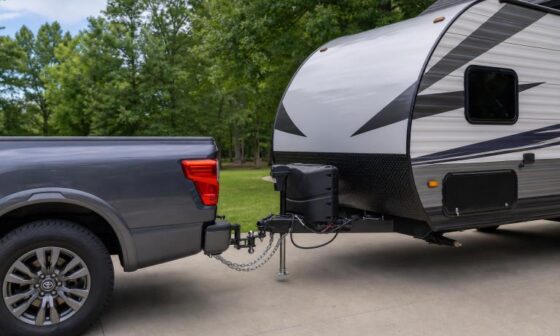
If the truck has revised mass paperwork, read what it actually changed. A higher vehicle rating does not lift axle caps or combined towing limits unless those papers list the new figures. Tongue weight also counts as payload, so a heavy trailer cuts what the tray can carry.
Think about balance, not just total. Water and steel trays behind the rear axle load the rear fast. Bull bars and winches load the front. A loaded weighbridge ticket with front and rear splits tells more than any estimate.
Review fitted gear and price what is still missing
Look past shiny add-ons and ask how each one was fitted. A dual battery setup should have neat cabling and labeled fuses close to the source. Ask for a receipt for the isolator and labor. The same goes for driving lights and compressors. Messy splices and bare terminals are reasons to walk away or budget for a rewire.
Ask for paperwork on suspension, tray mounts, canopy fitment, and towbar. Check logbook stamps for regular oil service at a dealer or diesel shop and match the odometer to those stamps. Book a pre-purchase check with an independent shop that knows live-axle tourers. That inspection costs little next to tires and brakes.
Keep every receipt in one folder from day one. Future buyers and shops trust stamped books and dated invoices over stories. Gaps in history do not always mean neglect, but they leave unanswered questions. An independent assessment and repair quotes help establish whether the asking price reflects the truck’s condition.
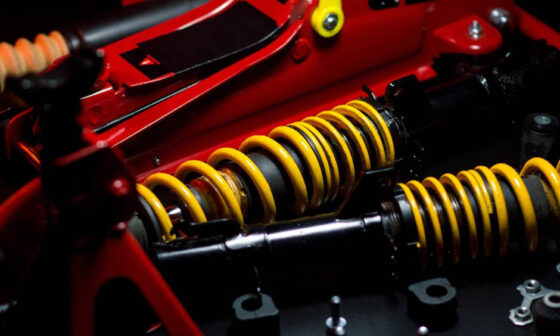
The must-do jobs belong in the price comparison. Old tires and tired shocks point to near-term spend. Unusual pedal feel on a manual example belongs on the mechanic’s inspection list rather than being diagnosed from a viewing. Quoted repairs and a weighbridge visit are also part of the setup cost. A higher asking price does not prove that a truck needs no work. Registration, insurance and any maintenance due under the exact vehicle’s schedule belong in the comparison alongside the cost of the planned fit-out.
Buy the 79 that fits the plan, not the one with the longest accessory list. A comfortable cab, workable load plan and clear records provide a better starting point for travel.