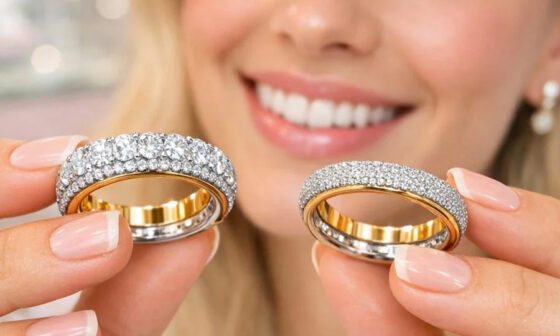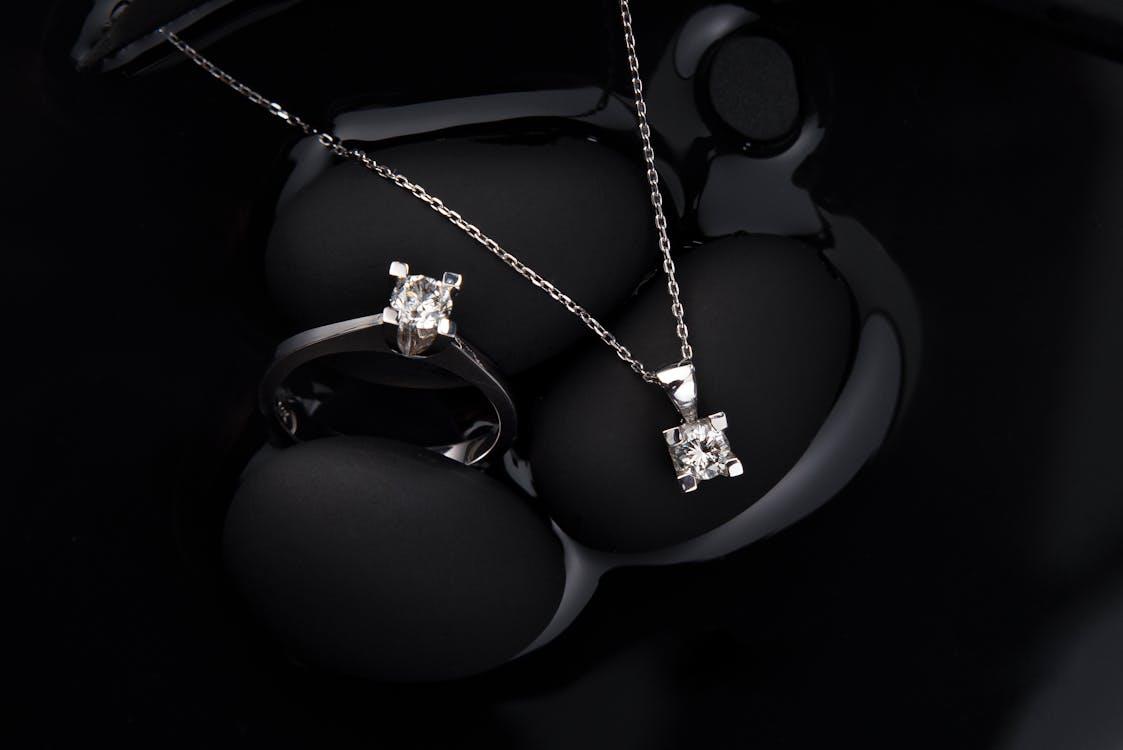
Have you noticed how buying jewellery today feels less like a luxury splurge and more like a personal statement? In Westmead, consumers are changing what they expect from fine jewellery. Style still matters, but so do sustainability, individuality, technology, and value. These shifts are reshaping the industry in ways that would have seemed unlikely only a decade ago.
Meaning Matters More Than Status
For years, fine jewellery was closely tied to status. A larger diamond or a famous brand often spoke louder than the story behind the piece. Today, many consumers are taking a different approach. They want jewellery that reflects personal milestones, family history, or individual values rather than simply displaying wealth.
This change mirrors a broader cultural movement. People increasingly favour experiences, authenticity, and self-expression over traditional status symbols. A necklace celebrating a career achievement or a ring marking personal growth can carry more meaning than a piece purchased solely for prestige. The emotional connection has become part of the product itself.
Personalisation Is Becoming the New Luxury
Modern consumers want jewellery that feels uniquely theirs. Custom designs, engravings, and one-of-a-kind pieces are becoming increasingly popular because they offer something mass-produced products cannot. In an era where social media encourages individuality, people want jewellery that helps them stand apart rather than blend in.
This trend is particularly visible in the growing demand for handmade engagement rings in Westmead, where buyers are looking for designs that reflect their personal stories and preferences. Rather than selecting a ring from a display case, many customers prefer collaborating with jewellers to create something meaningful. The appeal lies not only in the final product but also in being part of the creative process itself.
Sustainability Is No Longer Optional
Few industries have escaped growing scrutiny around environmental responsibility, and fine jewellery is no exception. Consumers are asking more questions about sourcing, production methods, and labour practices. They want reassurance that their purchases align with their values.
Lab-grown diamonds have gained traction partly because they address some ethical and environmental concerns associated with traditional mining. Recycled precious metals are also becoming more common. While sustainability was once viewed as a niche consideration, it is increasingly influencing mainstream purchasing decisions. Brands that ignore these concerns risk appearing out of touch with modern expectations.
Technology Is Changing the Buying Experience
The rise of digital shopping has transformed how people research and purchase fine jewellery. Consumers now compare prices, read reviews, and explore collections from around the world before visiting a store or making an online purchase.
Virtual try-on tools, augmented reality features, and detailed product visualisations are helping customers feel more confident when buying expensive pieces online. It is an interesting irony that one of the oldest luxury industries is embracing some of the newest technologies. Yet these innovations are proving essential as buyers expect convenience alongside craftsmanship.
Younger Consumers Are Redefining Tradition
Millennials and Generation Z are entering the fine jewellery market with different priorities from previous generations. They often place greater emphasis on ethical sourcing, transparency, and personal relevance. Traditional rules surrounding jewellery purchases are becoming less influential.
Self-purchasing is one notable example. Many younger consumers no longer wait for a partner or family member to buy significant jewellery pieces. Instead, they celebrate personal achievements with purchases of their own. This shift reflects broader changes in attitudes toward independence and financial empowerment.
Value Has Become More Important Than Price
Economic uncertainty continues to influence consumer behaviour across many industries. Rising living costs and global financial pressures have encouraged buyers to think carefully about where their money goes. Fine jewellery is not immune to this reality.
Consumers are increasingly focused on long-term value rather than simply finding the lowest price. They want quality materials, skilled craftsmanship, and timeless designs that can be worn for years. A well-made piece that retains emotional and financial value often feels like a smarter investment than a cheaper alternative that quickly loses its appeal.
Social Media Shapes Taste and Demand
Social media platforms have become powerful influences on jewellery trends. A single celebrity appearance or viral post can create sudden demand for a particular style, gemstone, or design aesthetic. Trends now move much faster than they once did.
At the same time, consumers are exposed to a wider range of ideas than ever before. Independent jewellers can showcase their work to global audiences without relying on traditional advertising. This democratisation of visibility has created more competition while giving buyers greater access to diverse styles and perspectives.
Fine Jewellery Is Becoming More Gender Inclusive
The traditional marketing of fine jewellery often focused on clear distinctions between men’s and women’s collections. Those boundaries are becoming less relevant as consumers embrace more flexible ideas about style and identity. Designers are introducing collections that prioritise personal taste over gender labels, creating pieces that appeal to a broader audience.
Signet rings, chains, bracelets, and gemstone jewellery are increasingly marketed as versatile accessories rather than category-specific items. This shift reflects wider cultural conversations around self-expression and individuality, encouraging brands to focus on design, craftsmanship, and wearability instead of relying on outdated assumptions about who should wear what.
Heritage and Modern Design Are Blending Together
One of the most interesting developments in fine jewellery is the way traditional craftsmanship is being combined with contemporary design. Consumers appreciate heritage techniques and artisanal skills, but they also want pieces that fit modern lifestyles and tastes.
Jewellers are responding by creating collections that balance timeless quality with fresh aesthetics. Vintage-inspired designs, mixed metals, unconventional gemstones, and minimalist settings are all gaining popularity. The result is a market where tradition and innovation work together rather than compete against each other.
The future of fine jewellery will be shaped by consumers who expect more from every purchase. They want meaning, sustainability, transparency, personalisation, and lasting value. These expectations reflect wider societal changes, from growing environmental awareness to shifting attitudes about identity and success. As the industry adapts, the most successful jewellers will be those who recognise that modern luxury is no longer defined solely by rarity or price. Instead, it is increasingly measured by relevance, authenticity, and the ability to tell a story that feels personal to the person wearing it.