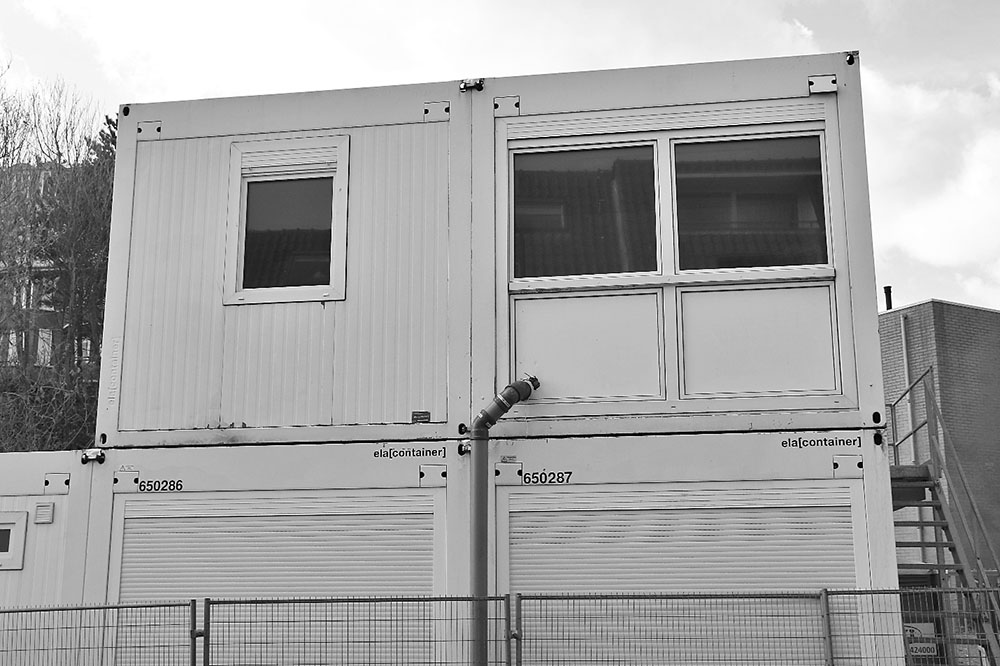
Businesses today face many challenges when it comes to space, storage, and expansion. Rising construction costs, longer project timelines, and changing operational needs have pushed companies to look for more practical solutions. Whether a business needs extra storage, a temporary office, or additional workspace, finding an affordable option has become more important than ever.
One solution that has gained attention in recent years is the shipping container. Originally designed for transporting goods across long distances, these containers are now being used for a wide range of business purposes. Companies in logistics, construction, retail, and manufacturing are finding new ways to use them to support daily operations.
Why Businesses Choose Shipping Containers
Traditional business expansion often involves significant planning, construction work, and financial investment. Building new structures can take months to complete, and costs can quickly exceed original estimates. For many businesses, this approach is not always practical, especially when additional space is needed quickly.
As a result, many companies are choosing shipping containers as an alternative. They can be used for storage, office space, equipment housing, workshops, or temporary facilities. This allows businesses to meet operational needs without waiting for lengthy construction projects.
Another reason for their popularity is flexibility. Many companies that buy shipping containers appreciate the ability to adapt them for different purposes over time. A container can serve one purpose today and be modified for another later. A company may initially use a container for inventory storage and later convert it into a workspace or site office as business requirements change.
Lower Costs and Faster Setup
One of the biggest advantages of shipping containers is their affordability. Compared to traditional buildings, they often require a lower initial investment. Businesses can gain additional space without committing to large construction budgets, making containers a practical choice for companies of all sizes.
The setup process is also much faster. Traditional construction projects can involve permits, contractors, material deliveries, and months of work before the space is ready for use. Shipping containers, on the other hand, can often be delivered and installed in a much shorter period.
This speed helps businesses respond quickly to changing needs. Whether a company is expanding operations, managing seasonal demand, or creating temporary facilities, containers provide a solution that can be implemented without long delays.
Flexibility and Scalability
One reason shipping containers have become so popular is their flexibility. Businesses can use them in many different ways depending on their needs. Some companies use them for storage, while others turn them into offices, break rooms, workshops, or equipment shelters. This flexibility allows businesses to make the most of the space they have available.
Shipping containers also support business growth. As a company expands, it may need additional space for inventory, equipment, or employees. Instead of investing in a large building project, businesses can add more containers as needed. This makes expansion more manageable and often more affordable.
Another benefit is customization. Containers can be modified with doors, windows, insulation, lighting, and other features that make them suitable for different purposes. These changes allow businesses to create spaces that match their operational requirements without starting from scratch.
Business Uses Across Industries
Shipping containers are now used in many industries because they solve a variety of operational challenges. Their versatility allows businesses to use them in ways that go far beyond simple storage.
In the logistics and warehousing sector, containers provide secure storage for inventory, tools, and equipment. They help businesses manage stock levels while keeping products protected from weather and theft.
Construction companies also rely heavily on shipping containers. They are commonly used as site offices, storage units, and break areas for workers. Because construction projects often take place in temporary locations, containers provide a practical and reliable solution.
Sustainability Advantages
Many businesses are making sustainability a bigger priority, and shipping containers can support those efforts. Using existing containers gives them a second life and reduces the need for new construction materials.
Traditional building projects often require large amounts of concrete, steel, wood, and other resources. They can also generate significant waste during the construction process. Repurposing shipping containers helps reduce some of these demands and can lower the overall environmental impact of a project.
Containers are also durable, which means they can remain useful for many years. Their long lifespan reduces the need for frequent replacements and helps businesses get more value from their investment.
Key Buying Considerations
Before investing in shipping containers, businesses should carefully evaluate their needs. Understanding how the container will be used can help determine the right size, condition, and features required for the project.
One important decision is whether to purchase a new or used container. New containers often have a longer service life and require fewer repairs, while used containers may offer cost savings. The best choice depends on budget and intended use.
It is also important to inspect the condition of the container. Businesses should look for signs of structural damage, excessive rust, or other issues that could affect performance. Choosing a quality container can help avoid unexpected maintenance costs later.
Meeting the Needs of a Changing Business Environment
Today’s business landscape changes quickly, and companies often need solutions that can adapt just as fast. Whether it is responding to increased demand, opening a new location, or creating temporary operational space, businesses benefit from infrastructure that can be implemented without major delays or expenses.
Shipping containers help businesses stay flexible when circumstances change. They can be added, relocated, or modified as operational needs evolve. This makes them especially useful for companies that experience seasonal demand, project-based work, or rapid growth. Instead of committing to permanent structures that may not suit future needs, businesses can use container-based solutions that offer greater adaptability.
Another advantage is the ability to support operations in locations where traditional buildings may not be practical. Containers can be deployed in remote areas, active construction sites, and temporary business locations with relative ease. This allows companies to maintain productivity without waiting for permanent infrastructure.
Shipping containers have become an important part of modern business infrastructure. Their affordability, durability, and flexibility make them a practical solution for companies looking to add space without the high costs and long timelines associated with traditional construction.