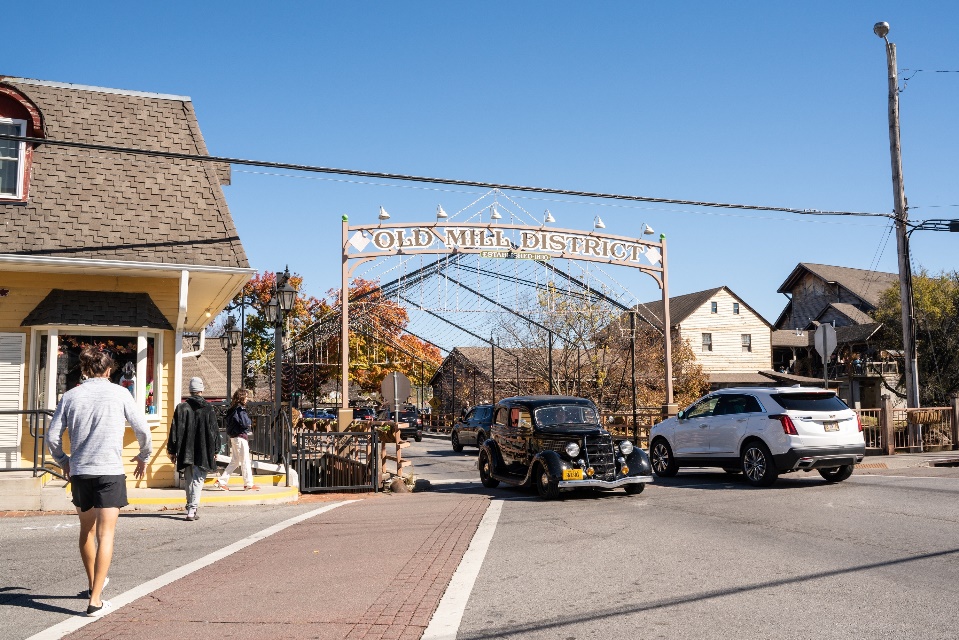
Family travel has shifted in recent years, moving away from rigid itineraries packed with sightseeing checklists and toward something far more personal. Parents today want their kids to remember laughter around a campfire, the feeling of trying something new, and the small in-between moments that often outshine the headline activities. Pigeon Forge has become a favorite for families chasing exactly that kind of trip, offering a balance of outdoor adventure, comfortable lodging, and easygoing charm that suits travelers of every age. The town invites families to slow down when they want to and speed up when the mood strikes, which is a rare combination in any vacation spot.
What makes a trip memorable is rarely the price tag or the polish of the destination. It is the shared experience, the inside jokes that get repeated for years, and the photographs that capture genuine joy rather than staged smiles. Families who plan with intention tend to come home with stronger bonds and stories worth retelling. The guide that follows looks at how to build that kind of trip from the ground up.
Chasing Adrenaline as a Family
Some of the most lasting vacation memories come from moments when everyone in the family steps slightly outside their comfort zone together. There is something powerful about watching a parent and child cheer each other on through a thrilling activity, especially when nervous laughter turns into pure excitement.
Active experiences have taken center stage in the way families plan their trips, with parents looking for activities that engage every age at once. The right adventure can shift the entire mood of a vacation, turning a regular day into a highlight. Among the most talked about Pigeon Forge attractions for families is an activity called zorbing, and it is something you must try at least once.
The act of rolling down a hill inside a giant inflatable ball is an adrenaline-filled experience that combines weightlessness, laughter, and a healthy dose of disbelief that you actually agreed to do it. Outdoor Gravity Park in Pigeon Forge offers three amazing tracks designed to suit different appetites for speed. The fast track is built for those who want a quick rush, the extreme track ramps up the intensity for the bold, and the combination track blends the best of both for riders who want a bit of everything.
Building a Trip Around Connection
Once the high-energy moments are mapped out, the rest of the trip can be shaped around quieter forms of togetherness. Meaningful family travel is not about filling every hour with planned activity. It is about leaving enough room in the schedule for spontaneous detours, long breakfasts, and conversations that only happen when nobody is rushing. Booking a cabin or a roomy rental rather than separate hotel rooms can make a noticeable difference because shared kitchens and living spaces naturally encourage the family to gather rather than scatter.
Choosing accommodations with a porch, a fire pit, or a view often pays off more than splurging on amenities the kids may never use. Evenings spent playing card games or telling stories outside tend to become the snapshots everyone remembers. Parents who treat downtime as part of the itinerary, rather than wasted time, usually find that their children open up more during the trip.
Letting Kids Help Plan
A simple way to make a vacation more memorable is to let children take part in the planning. When kids feel ownership over part of the trip, they invest in it emotionally, which transforms passive sightseeing into active participation. Giving each child one decision to make, whether that is picking a meal, choosing an activity, or selecting the route for a morning walk, gives them a sense of pride that lasts well beyond the vacation itself.
Younger children might pick the breakfast spot, while older kids might research a hike or a creative outing. The point is not the choice itself but the involvement. Families who plan together tend to argue less on the road, partly because everyone already feels heard before the trip even begins.
Capturing the Trip Without Living Through a Screen
Photographs and videos help preserve memories, but there is a balance to strike. Families who spend the entire vacation behind their phones often miss the very moments they were trying to capture. A useful approach is to designate short windows for taking pictures and then put the devices away. Candid shots taken during these brief moments tend to feel more genuine than long photo sessions that interrupt the flow of the day.
Encouraging kids to keep a small travel journal or collect a single souvenir from each day can also create a tangible record of the trip. Years later, those handwritten notes and small keepsakes often mean more than any camera roll. The goal is to remember the trip from the inside, not just to document it from the outside.
Slowing Down to Make It Last
The most common mistake families make on vacation is trying to do too much. A packed schedule may feel productive, but it often leaves everyone exhausted and irritable by the third day. Building in genuine rest, whether that means a lazy morning, an afternoon by the pool, or an unplanned walk through a quiet neighborhood, gives the family room to actually enjoy what they came for.
Slow travel also creates space for the kind of small surprises that turn into the best stories. A roadside stop, a friendly conversation with a local, or an unexpected weather change can lead to memories that no itinerary could have planned. Families who give themselves permission to wander a little usually return home feeling closer, lighter, and more connected than when they left.
Meaningful family travel is built one small choice at a time. The destination matters, but the way the trip is shaped around laughter, shared effort, and unhurried togetherness is what truly turns a vacation into a memory worth keeping.