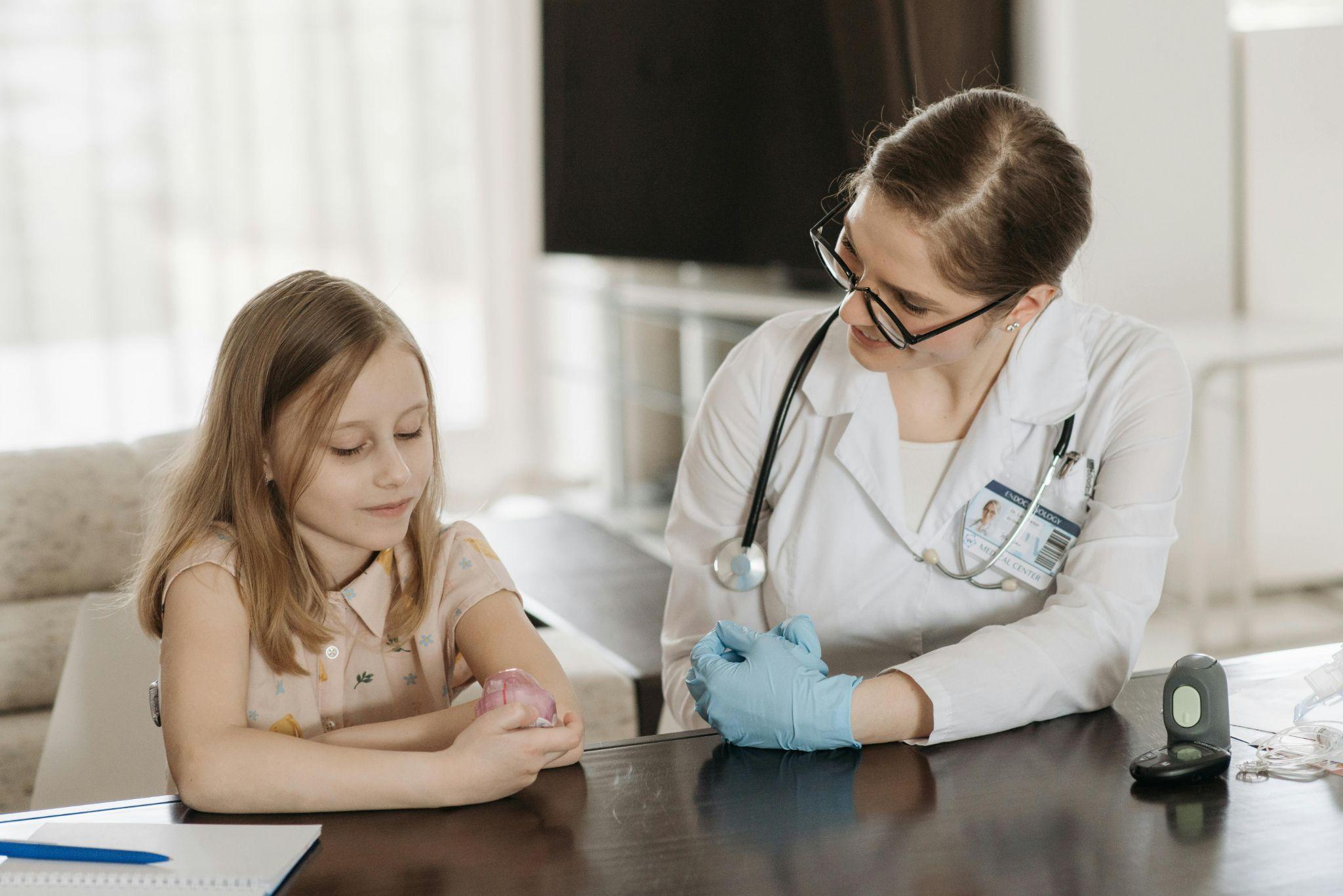
If you enjoy helping children and want a career that feels meaningful every day, healthcare can be a great path to explore. Many healthcare careers allow professionals to support children during important stages of growth, learning, and recovery. Some roles focus on physical health, while others help children improve communication, emotional well-being, or daily life skills.
Working with children also brings a different kind of energy to healthcare. Every day can look different, and many professionals find it rewarding to watch children make progress over time. Whether you want to work in hospitals, schools, therapy clinics, or private practices, there are many healthcare careers that let you make a positive impact on young lives.
Careers That Help Children With Communication and Development
Some of the most rewarding healthcare careers involve helping children improve communication, learning, and developmental skills. These professionals work closely with children who may struggle with speech delays, language disorders, social communication, or developmental conditions.
For many students, understanding speech pathologist education requirements is the first step toward entering this field, from the degrees and clinical training to the licensing needed to practice. Speech-language pathologists help children improve speech clarity, language understanding, social interaction, and even swallowing difficulties in some cases.
Speech-language pathologists work in schools, hospitals, rehabilitation centers, and private clinics. They may support children with autism, hearing impairments, developmental delays, or learning disabilities. The work requires patience, strong communication skills, and the ability to build trust with children and parents.
Other careers in this area include occupational therapists and behavioral therapists. Occupational therapists help children develop fine motor skills and improve daily activities like writing, eating, or getting dressed. Behavioral therapists help children manage emotional or behavioral challenges while building healthy routines and communication habits.
Pediatric Nursing Careers
Pediatric nursing is one of the most well-known healthcare careers for people who enjoy working with children. Pediatric nurses care for infants, children, and teenagers in hospitals, clinics, schools, and doctors’ offices.
Their responsibilities can include checking vital signs, giving medications, helping doctors during treatments, and educating parents about their child’s health. Pediatric nurses also provide emotional support during stressful situations, which is an important part of the job.
Working with children requires a calm and caring personality. Young patients may feel nervous during appointments or medical procedures, so pediatric nurses often use simple language and friendly communication to help children feel comfortable.
To become a pediatric nurse, students usually complete a nursing degree and pass a licensing exam. Some nurses later choose to earn additional certifications in pediatric care to expand their career opportunities.
Careers in Child Physical and Occupational Therapy
Children who experience injuries, developmental conditions, or physical disabilities often need therapy services to improve movement and independence. Physical therapists and occupational therapists play an important role in helping children build strength and confidence.
Physical therapists help children improve balance, coordination, posture, and mobility. They may work with children recovering from surgery, sports injuries, or neurological conditions. Therapy sessions are often designed to feel engaging and encouraging for younger patients.
Occupational therapists focus on helping children perform everyday tasks more easily. This may include improving hand coordination, sensory processing, or self-care activities. Occupational therapy can support children with autism, developmental delays, or physical disabilities.
These careers require strong problem-solving skills because every child has different needs and goals. Therapists must create personalized treatment plans while also motivating children throughout the recovery or learning process.
School-Based Healthcare Careers
Many healthcare professionals choose to work directly in schools because it allows them to support children in their everyday learning environment. School-based healthcare careers combine education and healthcare support in a unique way.
School nurses are responsible for handling minor injuries, managing student medications, and responding to health emergencies during the school day. They also help educate students about healthy habits and wellness.
Speech therapists, counselors, psychologists, and occupational therapists are also commonly found in school settings. These professionals work with students who may need extra support with communication, learning, emotional health, or developmental challenges.
Working in schools allows healthcare professionals to build long-term relationships with children and families. It also gives them the chance to collaborate with teachers and administrators to support student success both inside and outside the classroom.
Mental Health Careers for Working With Children
Mental health support for children has become increasingly important in recent years. Many children face challenges related to stress, anxiety, trauma, social pressure, or behavioral disorders. Healthcare professionals who specialize in child mental health help children develop healthy coping skills and emotional support systems.
Child psychologists work with children to understand emotional and behavioral concerns. They may help children manage anxiety, depression, attention disorders, or family-related stress. Sessions are often designed in child-friendly ways that help children express emotions comfortably.
Counselors and pediatric social workers also provide important support. They may work in schools, hospitals, or community programs where they help children and families access mental health resources and guidance.
These careers require empathy, patience, and strong listening skills. Professionals working in child mental health often become trusted sources of support during difficult times in a child’s life.
What Skills Help You Succeed in Pediatric Healthcare
Working with children in healthcare requires more than medical knowledge. Strong personal skills are just as important because children often need emotional reassurance and encouragement during treatment or therapy.
Patience is one of the most valuable qualities in pediatric healthcare. Children may need extra time to understand instructions, express feelings, or complete tasks during appointments and therapy sessions.
Communication skills are also essential. Healthcare professionals must explain information clearly to both children and parents. Using simple language and a calm tone can help children feel more comfortable and cooperative.
Empathy is another important skill because many children feel scared or frustrated when facing health challenges. Professionals who show kindness and understanding can help build trust and create positive experiences for young patients.
No matter which path you choose, working with children in healthcare can provide both personal fulfillment and career stability. These careers allow professionals to support children during important moments in their lives while helping families feel supported and understood.
Healthcare careers focused on children continue to grow because the need for compassionate and skilled professionals remains strong. For people drawn to this work, there are many fulfilling roles across psychology, counseling, therapy, and social work that make a lasting difference in children’s lives.