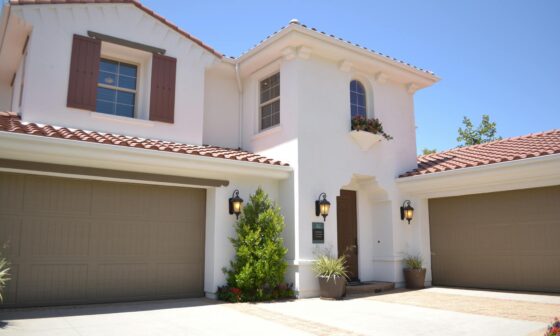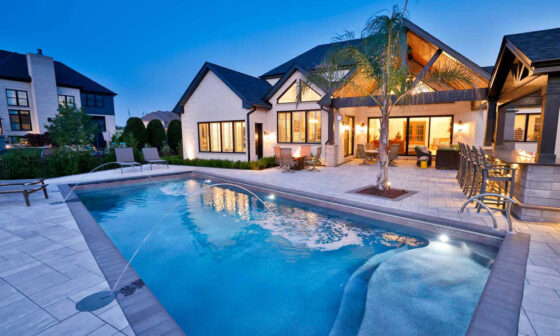
Building a home sounds exciting until the real decisions start piling up. You pick a layout, compare materials, think about storage, lighting, energy bills, and suddenly every small detail feels expensive if you get it wrong. In a city like Austin, you also have to think beyond looks. The heat sticks around for months, cooling costs climb fast, and the housing market pushes construction budgets higher every year. So when you build, you want a home that stays comfortable without draining money every month. You also want spaces that fit your routine instead of forcing you to work around awkward designs later. Smart planning from the start saves stress, cuts maintenance headaches, and gives you a home that actually feels easy to live in.
Let’s get into the choices that deserve your attention before construction begins.
Choose a Location That Fits Your Routine
A house can look perfect on paper and still make daily life exhausting if the location is wrong. Long commutes, crowded roads, and limited access to stores or schools wear people down faster than they expect. That’s why you should think about your weekly routine before buying land or choosing a neighborhood.
Maybe you work remotely and want quieter surroundings. Maybe you need quick highway access because you drive daily. A convenient location saves hours every week and reduces fuel costs, traffic stress, and constant rushing around.
Pick Exterior Materials That Handle Heat Better
Hot weather can punish the outside of a home. Cheap materials fade, crack, and trap heat inside, forcing your AC to work nonstop during summer. That’s why exterior choices deserve serious attention when building in Austin.
A lot of homeowners now prefer natural stone cladding for Austin homes because it handles high temperatures better than many standard siding materials. It also gives the home a clean, timeless finish without demanding constant upkeep. Pair that with energy-efficient windows and quality insulation, and your indoor temperature stays more stable during extreme heat. That means your cooling system runs less often, your electricity bills stay lower, and certain rooms won’t feel unbearably hot by late afternoon.
Design a Floor Plan Around Your Actual Life
It’s easy to get distracted by massive kitchens or dramatic entryways, but flashy layouts don’t always work well once you move in. Your floor plan should match the way you actually live day to day.
If you work from home, you’ll probably want quieter rooms away from busy areas. If you cook often, cramped kitchen storage becomes frustrating fast. Families usually benefit from open shared spaces, but bedrooms still need privacy and separation. Think about where clutter builds up, where people gather most, and how traffic flows through the house. A smart layout feels natural to move through instead of forcing everyone into tight or awkward spaces.
Plan for Natural Light and Better Airflow
Dark rooms can make a home feel smaller and closed off, even when the square footage is decent. That’s why window placement deserves more thought than most people give it.
Natural light makes indoor spaces feel brighter and more open during the day without relying heavily on artificial lighting. It also creates a cleaner, fresher atmosphere throughout the home. Airflow matters just as much. Poor ventilation can leave rooms feeling stale, humid, and uncomfortable during warmer months.
When windows are positioned carefully, air moves through the home more easily, helping rooms cool down faster in the evenings. That reduces dependence on constant AC use and keeps indoor spaces feeling fresher throughout the day.
Invest in Quality Insulation
A beautiful house won’t feel comfortable if the insulation is weak. You’ll notice it fast during summer when certain rooms heat up by midday, and your AC keeps running without much relief. That constant cycling pushes energy bills higher and puts extra strain on the cooling system.
Good insulation helps keep indoor temperatures steady throughout the house. Bedrooms stay cooler at night, living spaces feel more comfortable during the afternoon, and the AC doesn’t have to fight outdoor heat nonstop. It also helps with noise reduction, which becomes valuable in busy neighborhoods or growing residential areas.
Spray foam insulation, insulated attic spaces, and properly sealed walls can save you from expensive cooling problems later.
Think About Maintenance Before You Build
Some homes look incredible for the first year and become exhausting to maintain after that. Fancy finishes, delicate materials, and high-maintenance landscaping can quickly turn into constant repair projects.
Before choosing materials, think about how much upkeep you realistically want. Certain exterior finishes need frequent repainting. Some landscaping designs demand heavy watering and nonstop trimming just to stay alive during hot months.
Low-maintenance materials save time, reduce repair bills, and keep the house looking cleaner with less effort. Durable flooring, quality roofing, and drought-friendly landscaping hold up better under daily use and harsh weather. That means fewer surprise repairs eating into your budget every season.
Create Outdoor Spaces You’ll Actually Use
A backyard shouldn’t feel like an afterthought. When outdoor spaces are planned properly, they become one of the best parts of the house.
Covered patios, shaded seating areas, and outdoor dining spaces make it easier to spend time outside without dealing with direct sun all day. Even simple additions like ceiling fans or strategic landscaping can cool outdoor areas significantly during warmer months.
Think about how you spend weekends or evenings. Maybe you host friends often. Maybe you just want a quiet place to sit after work. Functional outdoor spaces give you extra room to relax without needing major additions later.
Work With Professionals Who Communicate Clearly
The wrong contractor can turn a home project into months of stress. Delays pile up, costs climb unexpectedly, and simple mistakes become expensive to fix. That’s why communication matters just as much as experience when choosing builders or contractors.
You want professionals who explain things clearly, answer questions directly, and stay transparent about pricing and timelines. Good builders help you spot potential problems early before they become major expenses later.
Building a home is one of the biggest financial decisions you’ll ever make, so every choice deserves careful thought. A smart home isn’t just about appearance or square footage. It’s about creating a space that stays comfortable during brutal summers, supports your routine, and doesn’t drain your budget with nonstop maintenance or energy costs.
When you choose durable materials, practical layouts, and experienced professionals, daily life becomes easier in ways you actually notice. Rooms stay cooler, utility bills stay manageable, storage feels practical, and maintenance stops taking over your weekends.
Years from now, trends won’t matter nearly as much as comfort, reliability, and how well your home still works for your everyday life.