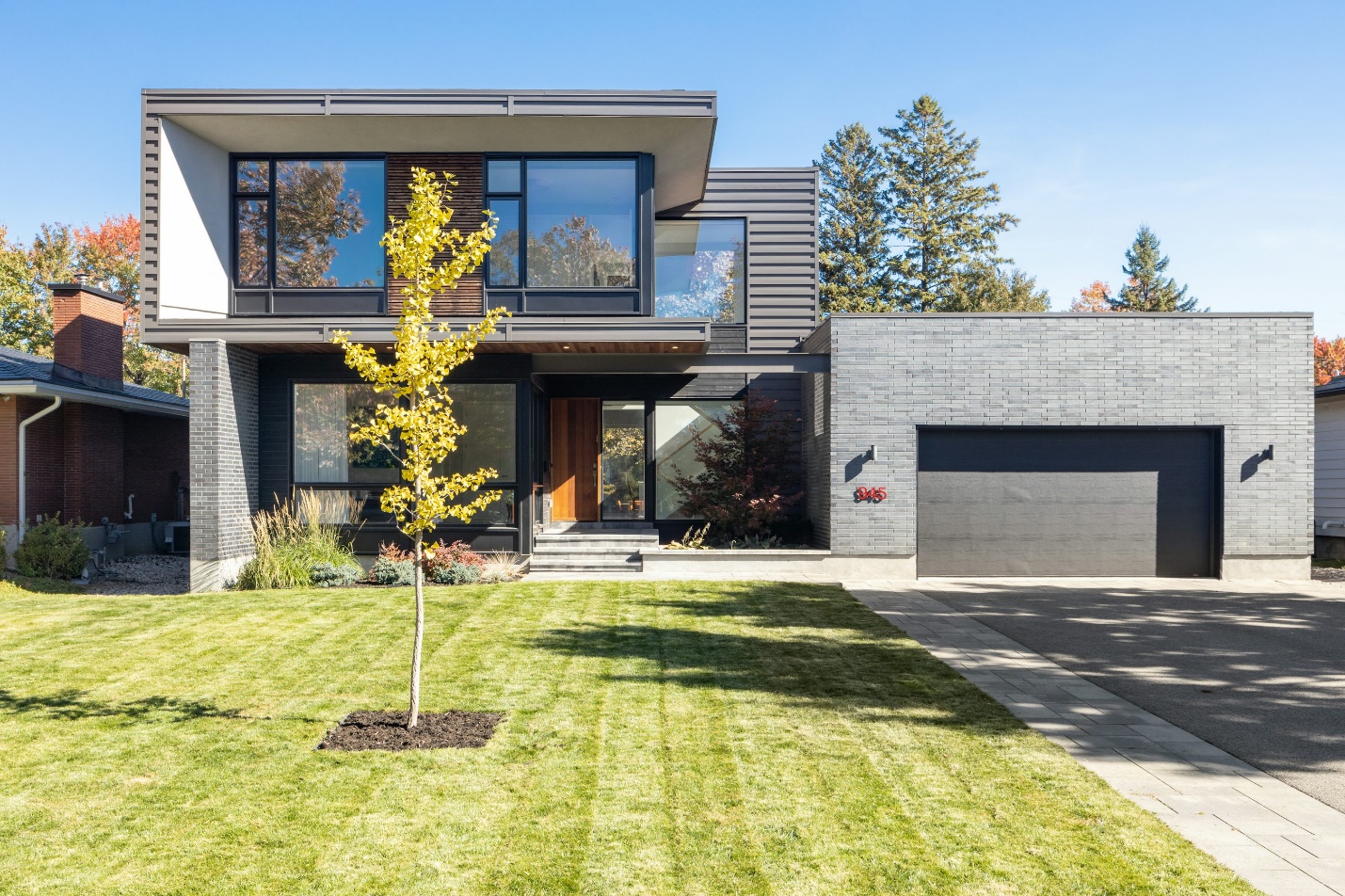
Smart home technology has changed the way people manage comfort, safety, and daily routines. Homeowners now expect faster access, better monitoring, and simple automation that works from a phone or tablet. These upgrades are becoming increasingly popular because they save time while helping families feel more secure. Many modern systems also allow homeowners to manage multiple devices from a single platform, which makes everyday tasks more efficient and easier to control. As technology continues to evolve, smart home improvements are becoming a practical investment rather than a luxury feature.
In growing residential areas, connected systems also improve property value and energy efficiency. Modern homeowners are paying closer attention to entry points, lighting, and monitoring systems because these features directly affect convenience and protection. Garage access, front doors, and outdoor spaces are often the first areas homeowners improve when building a smarter home environment that supports everyday living without adding unnecessary complexity.
Upgrading Access Control and Modern Garage Entry Systems
Upgrading access points is one of the most effective ways to improve home security without making major structural changes. Among all residential entry areas, garages require special attention because they are used frequently and often connect directly to the home. Many homeowners rely on garage access several times each day, yet older systems may lack the monitoring and automation features needed for modern security standards. As smart home technology becomes more common, homeowners are looking for ways to make garage access safer, faster, and easier to manage remotely.
Because garages serve as one of the largest and most active access areas in a home, many homeowners are now investing in advanced accessories for residential garage door systems to strengthen access control and simplify daily routines. Features such as motion sensors, wireless keypads, smart openers, and integrated cameras help homeowners monitor activity more efficiently while improving protection around one of the home’s most frequently used entry areas. In addition to improving security, these upgrades also make daily access easier because homeowners can operate systems directly from mobile devices. When integrated with broader home automation platforms, smart entry technology creates a more connected and reliable security experience that supports both comfort and long-term peace of mind.
Smart Lighting and Automated Outdoor Surveillance
Smart lighting plays an important role in protecting residential properties while improving outdoor visibility. Motion-activated lights discourage unwanted visitors because sudden illumination immediately draws attention to movement near entrances and walkways. Homeowners also benefit from improved visibility when arriving home late at night or monitoring activity outside. Automated lighting systems can even follow customized schedules to create the appearance of occupancy while families travel.
Outdoor surveillance systems provide another layer of practical home protection. Video doorbells, wireless cameras, and mobile monitoring apps allow homeowners to check activity in real time without being physically present. Many systems also store video recordings that can help document suspicious behavior or package deliveries. When lighting and surveillance tools work together, homeowners gain stronger security coverage and better peace of mind. These connected systems also make everyday home management more convenient and responsive.
Integrating Smart Hubs for Seamless Device Communication
Smart hubs simplify home automation by connecting multiple devices through one centralized platform. Instead of controlling each system separately, homeowners can manage lighting, locks, cameras, and climate settings from a single application. This streamlined control reduces confusion and makes daily home management more efficient. Many smart hubs also support voice assistants, which adds even greater convenience for users.
Automation becomes more practical when devices communicate with each other automatically. Homeowners can schedule lights to adjust at certain times or set doors to lock automatically at night. These routines save time and reduce the need for constant manual adjustments. A connected system also improves consistency because devices respond together instead of operating independently throughout the home.
Energy Efficiency Benefits of Automated Climate Control
Automated climate control systems help homeowners reduce unnecessary energy use while maintaining comfortable indoor temperatures. Smart thermostats can learn household routines and adjust heating or cooling settings based on occupancy patterns. This reduces energy waste during hours when no one is home. Homeowners can also make remote adjustments through mobile apps, which improves flexibility during changing schedules.
Energy-efficient systems provide financial benefits in addition to comfort improvements. Lower energy consumption often leads to reduced utility costs throughout the year. Many systems also generate usage reports that help homeowners identify opportunities for better efficiency. Automated climate control supports long-term sustainability goals while making daily temperature management easier and more consistent for households of all sizes.
A Homeowner’s Checklist for Prioritizing Smart Upgrades
Homeowners should begin smart home improvements by identifying areas that affect security and convenience the most. Entry points, outdoor lighting, and surveillance systems often provide the greatest immediate impact. Prioritizing these outdoor upgrades helps create a stronger foundation before adding additional automation features. Budget planning is also important because homeowners can expand systems gradually over time.
Compatibility should remain a major consideration when selecting smart devices. Choosing products that integrate easily with existing systems helps prevent future connectivity issues. Homeowners should also focus on reliability, user-friendly controls, and ongoing software support. A balanced approach allows families to build a practical, smart home environment that improves daily routines while supporting long-term household security.
Building a Smarter and Safer Home Environment
Smart home improvements continue to reshape the way homeowners manage security, comfort, and energy efficiency. Connected systems provide greater control over daily routines while helping families respond faster to potential safety concerns. Upgrades such as smart locks, automated lighting, and climate control systems work together to create a more efficient living environment.
A successful smart home strategy focuses on both convenience and long-term protection. Homeowners who prioritize reliable technology and integrated systems often experience smoother daily operations and improved peace of mind. Thoughtful upgrades also increase property functionality and help households adapt to changing needs over time. Investing in practical smart home solutions can create a safer, more comfortable, and better-connected home for years to come.