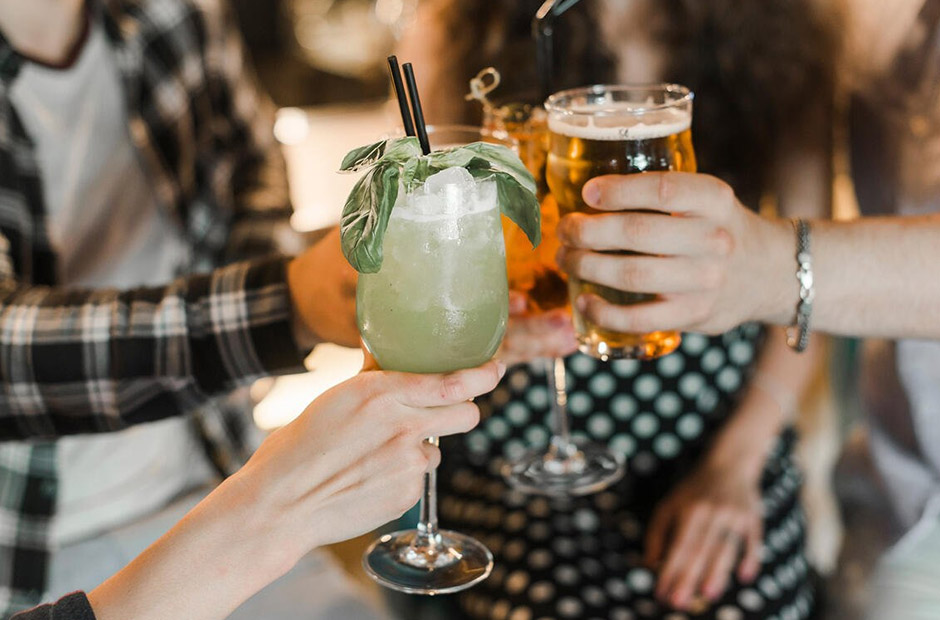
Hangovers are not a form of retribution but actually a backlog of recovery your body is facing. Drinking alcohol causes your liver’s hepatocytes to metabolize ethanol to acetaldehyde, a more toxic compound than ethanol, and then metabolize acetaldehyde to acetate, a more benign substance that’s easily excreted. Your body needs time to deal with the glut of poison and the depletion of necessary enzymes and nutrients will cause homeostatic imbalance the next day.
Restore Glutathione First
The biochemical issue that our body faces after a booze session is oxidative stress. Alcohol is broken down into free radicals during its metabolism. These are then mopped up by antioxidants in your liver, the greatest volume of which is glutathione. Drinking to excess depletes your liver’s glutathione stores. When they’re empty your liver cells start taking damage from the continuing avalanche of free-radicals, long after you’ve consumed your last gin and tonic.
Injecting yourself with glutathione is useless as the body doesn’t absorb it well. What you need to do instead is supplement your body’s reserves of the building blocks that it uses to make glutathione. N-Acetyl Cysteine (NAC) is one of these and, helpfully, research data suggests that it can help raise levels of glutathione. Foods rich in sulfur, such as eggs, garlic, and broccoli, are a useful starting point, too.
Rehydrate with Something That Actually Works
Alcohol reduces the levels of vasopressin, the hormone that instructs your kidneys to retain water. Research published in “Alcohol and Alcoholism” reveals that fluid loss could be up to four times higher than the amount of fluid intake. Plain water is helpful but it doesn’t restore cellular water loss.
Electrolytes are crucial here: Sodium, potassium, and magnesium are all involved in fluid balance and nerve function, and all of them decrease when alcohol is being a diuretic. Coconut water, electrolyte tablets, or a homemade mixture with a pinch of salt and some citrus are more effective than a glass of water.
If you’d rather tackle the problem before it starts, however, companies like ALKAA take a different approach entirely. Instead of patching things up the morning after, you drop one of their patented sachets directly into your drink before you start sipping. It works in the glass, reducing the compounds that trigger alcohol sensitivity before they ever make it into your system. It is worth considering if you want to take some of the burden off your body before the night even begins, rather than playing catch-up the next day.
Eat a Real Recovery Meal
After a long night of drinking, coffee and willpower won’t be enough to help your body truly recover. The food you eat will play a critical role in getting you back on your feet.
The day after heavy drinking, one of the liver’s main duties, maintaining normal blood sugar levels, is seriously disrupted. As you drink, your body metabolizes the ethanol in alcohol as a fat, and when it runs out of ethanol to burn, the liver starts burning the fatty acids it can’t process as effectively. That makes your blood sugar plummet. Add in one long night of no eating and another day of vomiting and not eating, your body’s practically begging for some glucose.
The key is to get in some non- or low-impact carbs that will slowly raise blood sugar (glycogen) levels without spiking insulin and making tired, hungover you even more exhausted. Try to eat protein with your recovery meal, the amino acids serve as substrates for the liver to use in phase II of detoxification to remove metabolic wastes and prevent further damage to regions of the liver.
Take Sleep Seriously, Not Just Quantity
The use of alcohol does not lead to better sleep. It might make you sleepy, but that’s not the same. When you drink, your body actually processes less of the restorative REM sleep into the overall sleep you get. REM is the stage by which your brain codes things into memory and your body does a lot of cellular repair, including that of your liver. Your liver gets a lot of regeneration work in over your rest cycles. If you disrupt that rest cycle with anything, you’re probably compromising some of the power of your liver’s repairs.
Be Careful With Pain Relief
This one matters more than most people realize. Acetaminophen, found in most over-the-counter headache and flu medications, is processed by the same liver enzymes affected by alcohol. When residual alcohol is still in your system, or when glutathione is already depleted, combining the two can cause acute liver stress that goes well beyond a hangover. Use ibuprofen instead, assuming you don’t have a reason to avoid it. It works through a different mechanism and doesn’t carry the same hepatic risk in this context. Drink something with it, taking it on an empty stomach can irritate the gut lining.
Recovery as a Protocol, Not a Remedy
Knowing the science behind a hangover and what could work to minimize the symptoms doesn’t always make enduring one easier. People have been trying to cure hangovers for as long as they’ve had imbibing nights, and several remedies have stood the test of time, from the classic greasy breakfast to a spicy Bloody Mary. Many of them, okay, most of them, don’t have solid scientific backing but still manage to make you feel a little bit better.