In 2026, countless perfect but soulless visuals are available on the internet. Generative AI makes imagery cheap and plentiful. In light of this, a counter-movement has emerged — which continues to turn authentic, human-made art into the ultimate luxury signal.
Brands, whether small, medium, or large, and new or established, are now finding that premium, high-conversion marketing requires imperfection, intentionality, and storytelling that only human artists can provide.
Not sure why human-made illustration is the new premium signal in an AI-saturated market? If so, below are the five compelling reasons that no one will tell you.
Let’s break each of them down in detail…
The Power of Intentionality vs. Statistical Probability
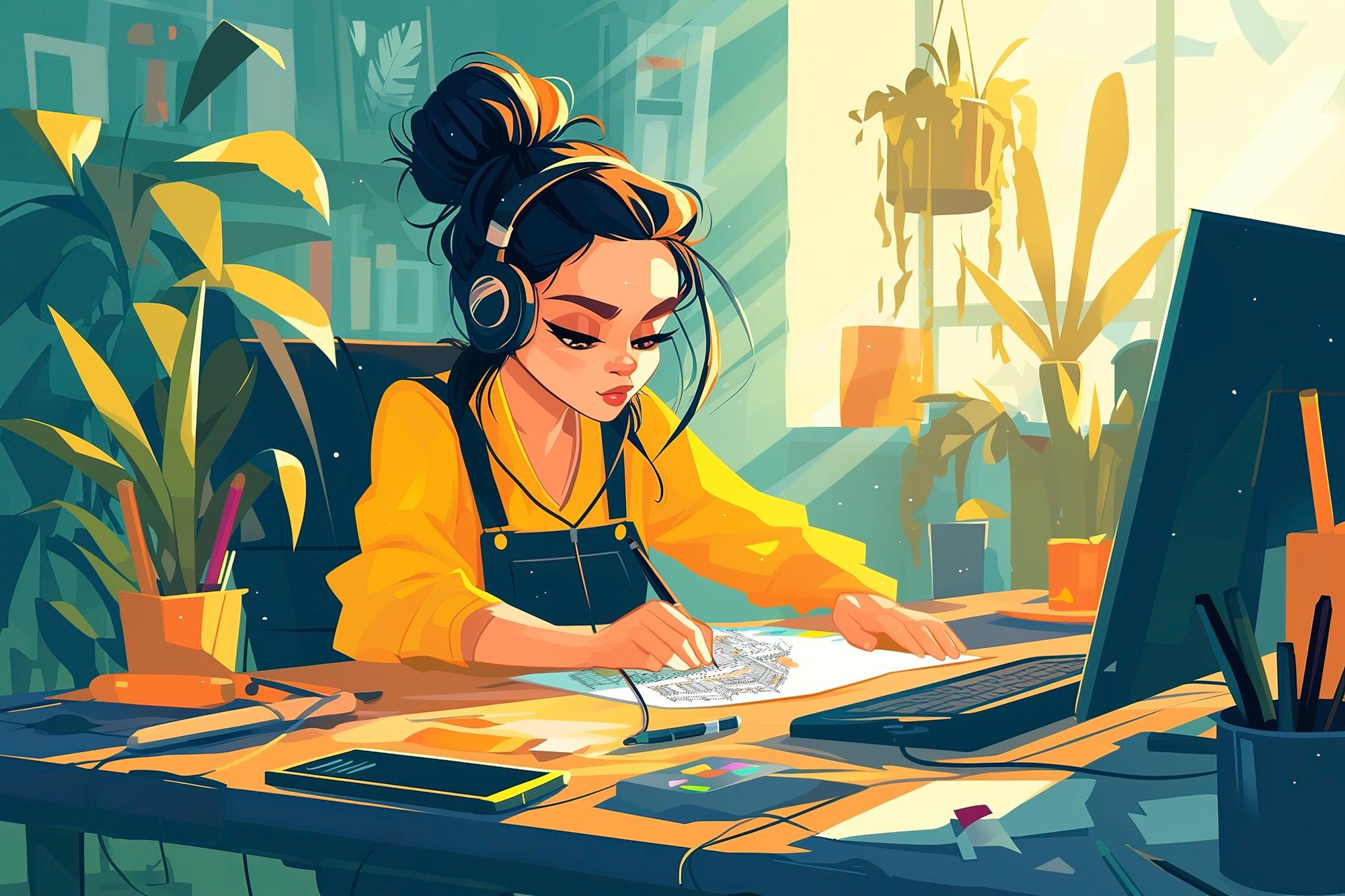
AI creates images based on probability—what pixels are likely to go together. Human-made art, however, is driven by three major factors: intention, emotion, and purpose.
Remember, every brushstroke in a human illustration carries a message. This elevates the visual from a mere “image” to a narrative that resonates deeply with the viewer.
Craft as a Trust Signal
Trace Cohen, CEO of Stocksy, notes: “In an era flooded with AI-generated visuals, human-made illustration has become a mark of intention and quality.
Every line drawn by a Stocksy artist carries perspective, context, and craft—elements that elevate illustration from content to communication. That’s why brands are increasingly treating human illustration as a premium signal.”
Investing in curated stock illustrations signals to consumers that your brand values quality and authenticity over cheap speed.
Evading the “Uncanny Valley” and AI Fatigue
By 2026, audiences are developing “AI fatigue,” scrolling past content that looks too synthetic or flawless.
For sure, human art offers familiar, organic imperfections, such as unique textures and wobbly lines, which AI struggles to replicate authentically.
This “imperfect perfection” (or wabi sabi) approach feels real and fosters trust. Yes, you heard that right. On the flip side, AI images often fall into the eerie, disturbed “uncanny valley.”
Cultural Nuance and Emotional Depth
It’s important to know that AI models are trained on datasets. They often reinforce stereotypes and lack a deep cultural context.
Human illustrators, however, draw from lived experience. This allows them to embed nuanced, culturally resonant symbolism into their work.
There’s no doubt, this empathy and emotional depth are irreplaceable, ensuring that marketing connects on a human level rather than a technical one.
Securing Brand Identity and Intellectual Property
The legal landscape regarding AI-generated content remains complex and ambiguous—navigating it is like a battle. Contrarily, human-made art offers security.
What happens if you commission a human illustrator? In that case, you get original, legally clear work that can be tailored to maintain strict brand consistency across all touchpoints. This is something that AI often fails to do over large, complex campaigns.
Final Words
No matter how rapidly AI is advancing, human effort remains appreciable. Human imagination is extraordinary; when expressed on the canvas, it earns praise and helps artists and creatives stand out from the crowd.