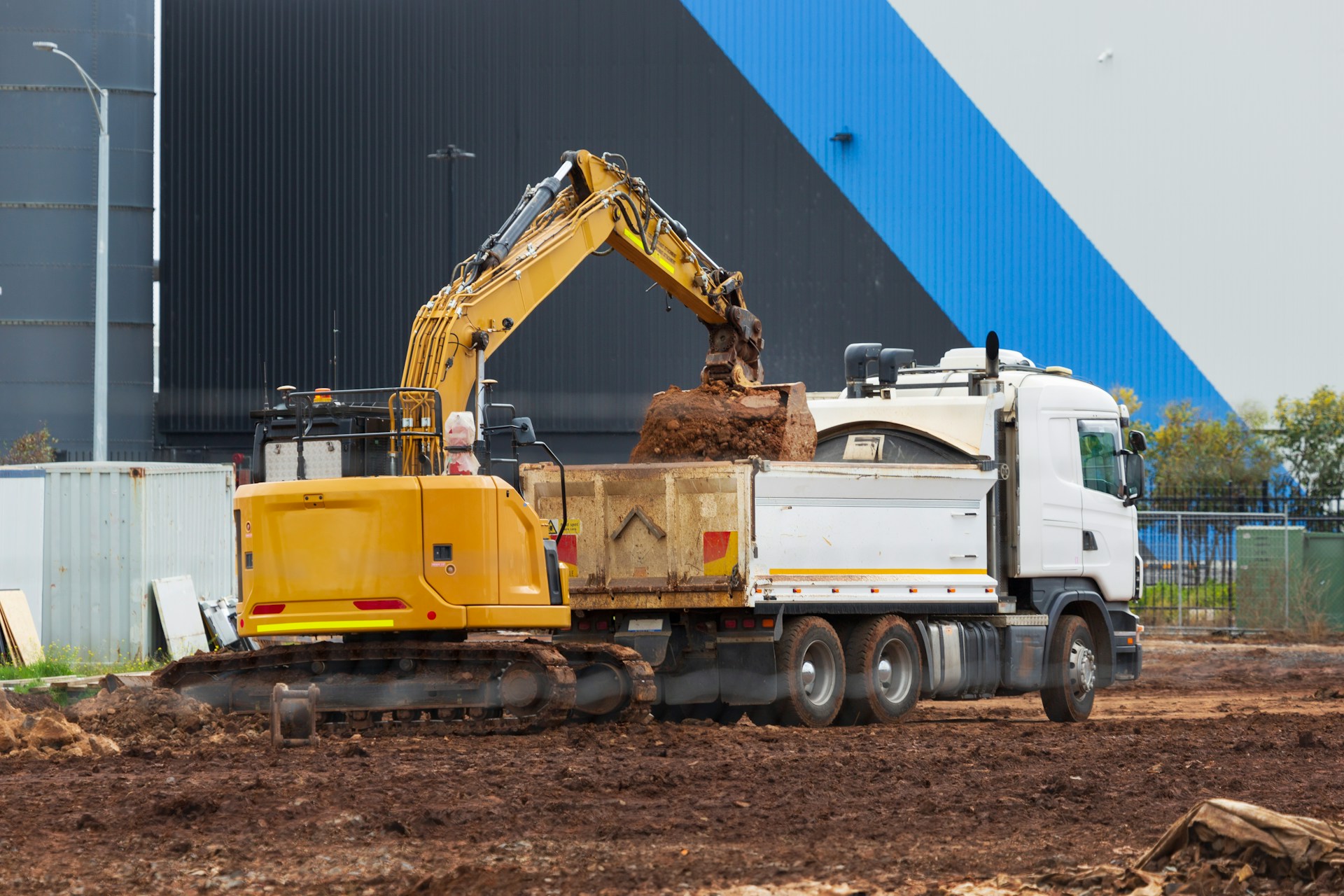
Modern industries are increasingly focused on improving productivity, safety, and operational efficiency across all areas of work. One of the most effective ways businesses achieve this is by upgrading their equipment for loading, lifting, and transporting heavy materials. In construction, logistics, utilities, and infrastructure sectors, tools such as a truck loader crane have become essential for handling demanding workloads with greater control and reduced manual effort.
Investing in the right material handling solutions is no longer just about convenience—it directly influences profitability, workforce safety, and project timelines.
Improved Efficiency in Daily Operations
Time plays a critical role in almost every industrial operation, and inefficient material handling can slow down entire workflows.
Modern lifting systems allow workers to move heavy items quickly and with greater precision, reducing delays caused by manual lifting or outdated equipment. When loading and unloading processes become faster, overall job completion times improve significantly.
This increased efficiency helps businesses take on more projects without compromising quality or deadlines.
Enhanced Workplace Safety Standards
Manual handling of heavy materials is one of the leading causes of workplace injuries in many industries.
Using mechanical lifting equipment reduces the physical strain on workers and lowers the risk of accidents caused by improper lifting techniques or overloaded materials. Safer handling systems also help minimize damage to goods during transport.
A safer work environment not only protects employees but also reduces downtime and compensation-related costs.
Better Load Control and Precision Handling
Accuracy is essential when dealing with heavy or valuable materials.
Advanced lifting equipment allows operators to control loads more precisely, reducing the risk of dropping, shifting, or damaging items during movement. This is particularly important in industries where fragile or high-value components are involved.
Improved control also helps streamline placement tasks on construction sites or delivery zones.
Cost Savings Through Reduced Labour Requirements
One of the major long-term benefits of investing in efficient handling equipment is reduced reliance on manual labour.
While workers are still essential for operations, mechanized systems allow smaller teams to complete tasks that previously required larger crews. This reduction in labour intensity can help lower operational costs over time.
Businesses often find that improved efficiency leads to better resource allocation and increased profitability.
Versatility Across Multiple Industries
Material handling equipment is not limited to a single type of industry or application.
From construction sites and warehouses to utility maintenance and transport logistics, lifting systems can be adapted to suit a wide range of tasks. This flexibility makes them a valuable investment for businesses that operate across multiple sectors or handle diverse workloads.
Versatile equipment helps companies remain adaptable in changing operational environments.
Faster Project Completion Times
Delays in material movement often create bottlenecks that slow down entire projects.
Efficient lifting systems help remove these delays by speeding up loading, unloading, and placement processes. When materials are handled more quickly, overall project timelines improve, allowing businesses to meet deadlines more consistently.
Faster completion times can also improve client satisfaction and increase future business opportunities.
Reduced Wear and Tear on Manual Resources
Relying heavily on manual handling can lead to faster fatigue and reduced productivity among workers.
By using mechanical lifting systems, businesses can reduce strain on their workforce while extending the productivity lifespan of employees. This also helps minimize long-term injuries associated with repetitive heavy lifting tasks.
Healthier workers contribute to a more stable and efficient working environment.
Improved Operational Scalability
As businesses grow, the demand for more efficient equipment becomes increasingly important.
Investing in advanced material handling solutions allows companies to scale operations more easily without dramatically increasing labour costs. Equipment that improves productivity makes it easier to handle larger workloads and more complex projects.
Scalability is essential for long-term business growth and competitiveness.
Better Use of Available Resources
Efficient equipment helps businesses maximize the value of both time and human resources.
When lifting and transport tasks are streamlined, employees can focus on higher-value responsibilities rather than repetitive manual work. This improves overall productivity and ensures better use of available talent within the organization.
Optimized resource allocation often leads to stronger operational performance.
A Smart Investment for Long-Term Growth
Material handling efficiency is a key factor in modern business success.
By reducing labour strain, improving safety, increasing speed, and supporting scalable operations, advanced lifting equipment delivers long-term value across multiple industries. For businesses aiming to improve productivity and remain competitive, investing in efficient material handling solutions is a strategic step toward stronger performance and sustainable growth.