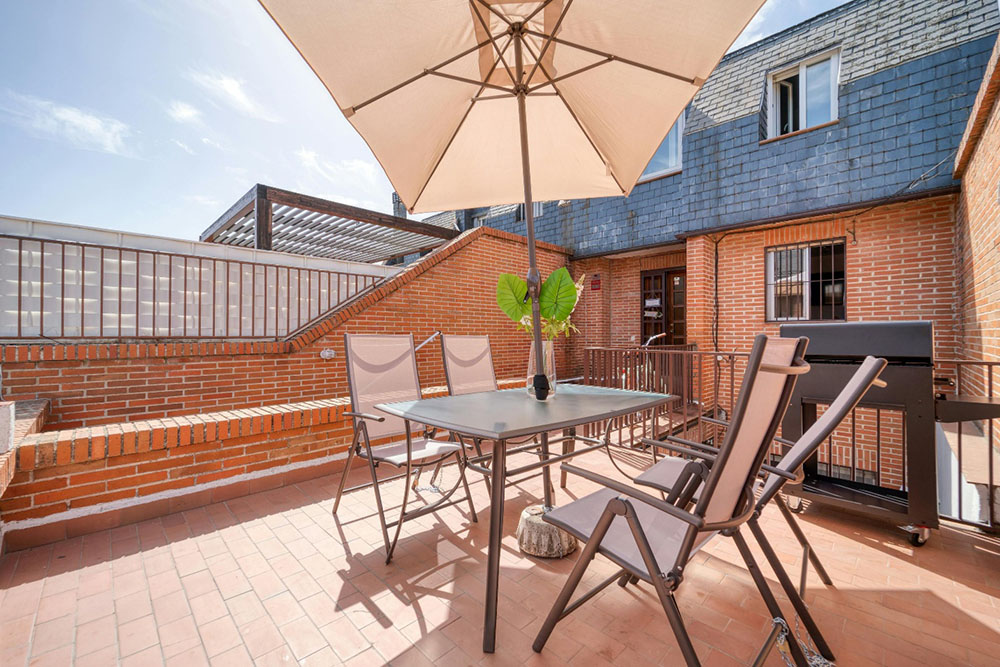
The patio always looks more useful in your head than it does at two in the afternoon when the chairs are too hot to touch, and everybody quietly moves back inside after ten minutes. A lot of homeowners spend good money building outdoor spaces they barely use during large parts of the year because the sun changes everything once the heat settles in.
That problem becomes even more noticeable in Houston, Texas, where outdoor living is part of everyday life for much of the year. People grill outside in winter, host family gatherings almost year-round, and spend long evenings on patios when the weather cooperates, which honestly happens pretty often there. The issue is that direct sun, humidity, and sudden weather shifts make uncovered patios harder to enjoy comfortably for very long. That is one reason shaded outdoor spaces became so popular across Houston neighborhoods in recent years.
Why Uncovered Patios Often Go Unused
A patio without shade usually gets used less than homeowners expect. People imagine outdoor dinners, quiet mornings with coffee, or weekends spent outside with friends, but direct sunlight changes behavior quickly once temperatures rise. Even during milder seasons, constant glare and heat make outdoor furniture uncomfortable faster than most people realize.
The sun also affects the space itself over time. Cushions fade. Wood dries out. Paint ages unevenly. Patio furniture that looked great during installation starts wearing down earlier because it stays exposed every day without protection overhead. Some homeowners try umbrellas first because they seem simple enough, but smaller shade coverage rarely helps larger seating areas consistently.
That is partly why more homeowners now choose to work with Solomon Shade Solutions in Houston Texas. These permanent or semi-permanent shade structures are designed around how the patio actually gets used throughout the day. Different homes need different solutions, but the general goal stays the same. Reduce direct sun exposure, improve comfort, and make the outdoor space feel usable for longer stretches instead of only during specific hours.
A properly planned shade structure usually changes how often the patio gets used more than homeowners initially expect, especially during warmer months when uncovered outdoor spaces become difficult to sit in comfortably for very long.
Shade Changes How People Actually Use Outdoor Space
One thing homeowners notice pretty quickly after adding shade is that people stay outside longer without thinking about it much. The patio stops feeling like a transitional space and starts functioning more like an extension of the house itself.
Kids play outside longer. Meals stretch out instead of ending once the heat becomes annoying. People read, work remotely, or answer emails outside because the environment feels manageable instead of exhausting. That change sounds small, maybe, but it shifts how the space fits into daily routines.
Modern work habits probably contribute to this, too. More people work partially from home now, which means outdoor areas are no longer just weekend spaces. A shaded patio sometimes becomes a second workspace during mornings or evenings, especially for homeowners trying to spend less time indoors staring at screens all day.
The comfort difference is not only about temperature, either. Shade softens glare, reduces eye strain, and creates a more relaxed atmosphere overall. Open sunlight can feel harsh after a while, even when the weather itself is technically pleasant.
Furniture and Surfaces Last Longer Under Shade
Outdoor furniture wears out faster than people expect when it sits under direct sunlight every day. Cushions fade unevenly, wood dries out, and metal chairs become almost too hot to touch during summer afternoons. Even nearby windows and doors absorb extra heat over time, which can make indoor spaces feel warmer too.
Shade helps slow a lot of that down. Furniture stays cooler, colors hold up longer, and the patio itself usually looks less weathered after a few seasons. Homeowners often notice the difference gradually. Cleaning gets easier, too, since covered areas collect less harsh exposure from the sun, rain, and debris sitting outside constantly.
Energy Use Sometimes Changes More Than Expected
Many homeowners install patio shade mainly for comfort, then later notice the house itself feels cooler during hotter parts of the day. That happens because shaded patios often reduce direct sunlight hitting nearby windows, sliding doors, and exterior walls.
The effect varies depending on the house layout, but reducing solar heat near outdoor living spaces can help indoor cooling systems work a little less aggressively during warmer months. In homes with large back windows, especially, that difference becomes noticeable pretty quickly.
People probably think about this more now because energy bills remain unpredictable in many places. Small improvements that reduce heat buildup around the home suddenly matter more than they did several years ago. It is not some magical energy solution or anything dramatic like that. Still, homeowners often realize the patio feels cooler while the nearby indoor rooms feel more stable, too. The two things connect more than people expect initially.
Outdoor Privacy Becomes Easier to Manage
Shade structures also change how exposed a backyard feels. Even partial overhead coverage creates a stronger sense of separation from neighboring homes or nearby streets. That privacy matters because outdoor spaces feel uncomfortable when people constantly feel visible. A covered patio naturally creates more enclosure without fully blocking airflow or making the yard feel closed off completely. Some systems include adjustable panels or screens that help homeowners control sunlight and visibility at different times of day, too.
The effect is subtle. People just feel more relaxed sitting outside when the space feels intentionally designed instead of completely open from every direction. Outdoor entertaining changes because of that. Guests settle in more comfortably. Conversations last longer. The patio starts functioning more like an actual living area rather than extra concrete attached to the house.
Shade Structures Improve Everyday Function More Than Appearance Alone
Most homeowners install patio shade thinking mainly about appearance at first, but the practical side usually matters more after a few weeks. The space stays cooler, outdoor furniture holds up better, and people actually spend time outside instead of stepping back indoors once the sun becomes too much. The patio starts feeling usable instead of decorative.
Outdoor spaces also work differently now than they used to. People eat outside more, work from laptops on patios, and treat backyards like extensions of the house itself. An uncovered patio may look nice in listing photos, but comfort usually decides whether anyone wants to sit there very long during the afternoon.