Owning a home requires more than keeping the lawn trimmed or updating paint colors each spring. Every part of a house, from the roof to the plumbing system, needs regular attention to stay efficient and safe. Small maintenance tasks completed throughout the year can prevent major repair bills and reduce unnecessary stress. A consistent routine also helps homeowners protect property value while creating a healthier and more comfortable living environment for everyone inside.
Many homeowners focus heavily on curb appeal, but interior systems deserve the same level of care. Heating, cooling, electrical, and plumbing components work behind the scenes every day, and neglecting them often leads to unexpected problems. Seasonal inspections and simple preventive steps make it easier to spot issues early, before they disrupt daily life or become expensive emergencies.
Keep Your HVAC System Running Efficiently Year-Round
Heating and cooling systems work hard year-round, especially during extreme weather. Because these systems run so often, they need regular maintenance to perform efficiently and avoid unnecessary strain. Homeowners can improve HVAC performance by replacing air filters regularly, clearing debris around outdoor units, and scheduling professional inspections before peak heating or cooling seasons begin. These simple steps help improve airflow, reduce energy waste, and keep the system operating more reliably over time.
Even with proper maintenance, HVAC systems can still break down unexpectedly during heavy use. When this happens, indoor temperatures can quickly become uncomfortable, especially during summer heat or winter cold. Preparing for emergencies before they happen can make the situation much easier to manage. If you are looking for a company that offers 24/7 AC repair service, there are plenty of options available.
Prevent Plumbing Problems Before They Escalate
Plumbing problems often begin quietly, making regular inspections extremely important for homeowners. A small leak under a sink or behind a washing machine can slowly damage flooring, drywall, and cabinetry before visible signs appear. Checking exposed pipes, monitoring water pressure, and watching for unexplained increases in water bills can help identify hidden issues early. Preventive attention keeps repair costs manageable and reduces the likelihood of major water damage inside the home.
Homeowners should also focus on maintaining drains and water heaters year-round. Grease, soap residue, and debris buildup can create stubborn clogs that strain the plumbing system over time. Using drain strainers and avoiding improper disposal habits can significantly reduce blockages. In addition, flushing a water heater annually removes sediment that affects efficiency and shortens the unit’s lifespan. Consistent maintenance keeps plumbing systems functioning properly while improving overall household reliability.
Protect Your Roof and Gutters From Water Damage
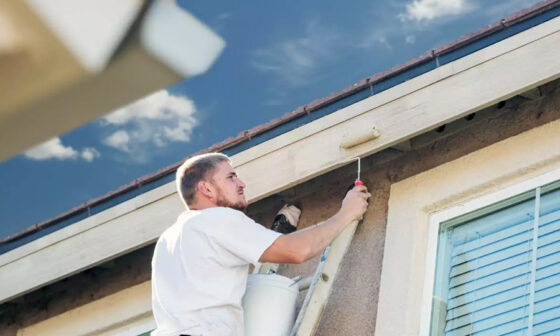
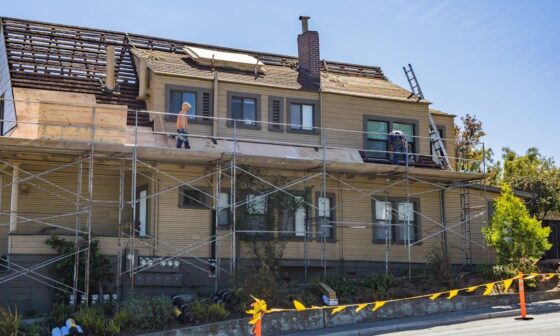
Roof and gutter maintenance plays a major role in protecting a home from moisture-related problems. Damaged shingles, clogged gutters, and poor drainage can allow water to seep into walls, ceilings, and foundation areas. Homeowners should inspect roofing materials after storms and seasonal weather changes to identify missing shingles, cracked flashing, or sagging sections. Catching these problems early helps prevent expensive structural repairs later.
Gutters also require regular cleaning to direct rainwater safely away from the property. Leaves, dirt, and debris can block water flow and cause overflow around the foundation. Overflowing gutters may eventually contribute to basement leaks, wood rot, and exterior damage. Trimming nearby tree branches can reduce debris accumulation while lowering the risk of storm-related roof damage. A clean, properly functioning drainage system helps preserve the appearance and stability of the home.
Prioritize Electrical Safety Throughout the Home
Electrical systems require regular attention to keep a home safe and fully functional. Homeowners should test GFCI outlets monthly in bathrooms, kitchens, garages, and outdoor spaces to ensure they respond properly. Smoke detectors and carbon monoxide alarms also need routine testing and battery replacement to maintain reliable performance. These simple checks reduce safety risks and help prevent avoidable emergencies.
It is also important to watch for warning signs of electrical problems. Flickering lights, buzzing sounds, warm outlets, or frequently tripped breakers should never be ignored. Frayed cords and overloaded power strips can create additional hazards inside the home. Scheduling a professional inspection when unusual issues appear helps prevent larger electrical failures and keeps the household protected year-round.
Inspect Foundation, Windows, and Exterior Sealing
Small foundation cracks can gradually become larger structural concerns if homeowners fail to monitor them consistently. Regular inspections around basement walls, crawl spaces, and exterior concrete surfaces can help identify shifting, moisture buildup, or settling problems early. Addressing minor cracks quickly often prevents water intrusion and more expensive repairs later.
Windows and doors also deserve regular attention because damaged seals affect both comfort and energy efficiency. Worn weatherstripping and cracked caulking allow drafts, moisture, and pests to enter the home more easily. Replacing damaged seals improves insulation while helping heating and cooling systems operate more efficiently. These simple maintenance tasks can also reduce utility costs and improve indoor comfort year-round.
Don’t Overlook Seasonal Interior Maintenance Tasks
Interior maintenance tasks often receive less attention than exterior projects, but they play an important role in keeping a home operating smoothly. Regularly cleaning dryer vents reduces fire risks and improves appliance efficiency. Homeowners should also inspect attic ventilation, check ceiling fans, and prepare fireplaces before colder temperatures arrive. Seasonal inspections help identify issues before they become larger problems.
Humidity control is another important part of interior home maintenance. Excess moisture can encourage mold growth and damage walls, flooring, and furniture over time. Using exhaust fans, monitoring humidity levels, and ensuring proper airflow throughout the home help create a healthier indoor environment. Creating a seasonal checklist can also make these smaller maintenance tasks easier to manage consistently.
Create a Simple Monthly and Annual Home Maintenance Checklist
Breaking maintenance tasks into monthly and annual schedules makes home care more manageable for busy homeowners. Monthly tasks may include checking for leaks, replacing HVAC filters, testing smoke detectors, and inspecting visible plumbing connections. Smaller routine tasks often take only a few minutes but can prevent expensive repairs later.
Annual maintenance should focus on larger inspections and preventative services. Roof evaluations, gutter cleaning, water heater flushing, and professional HVAC servicing help protect major home systems from unnecessary wear. Keeping organized maintenance records can also benefit homeowners when planning future repairs or preparing to sell the property. A structured checklist creates consistency and reduces the chances of overlooking important responsibilities.