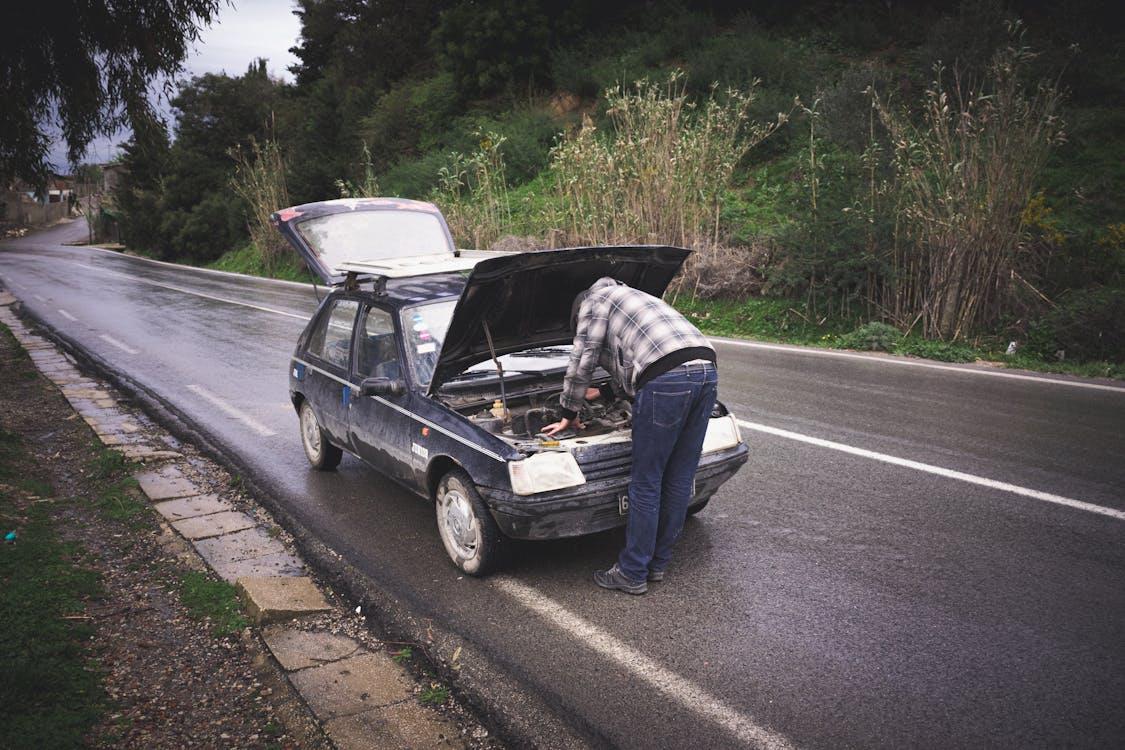
Most drives start off routine, commuting to work, running errands, or heading out on a weekend getaway. But the reality is, emergencies can happen when you least expect them. A flat tire, a dead battery, or an engine issue can quickly turn a normal drive into a stressful situation.
What makes these moments harder is not just the problem itself, but the lack of preparation. Many drivers don’t think about what they would do until they’re already stuck on the side of the road. That’s when panic sets in, and small issues start to feel overwhelming.
The good news is that a little preparation goes a long way. Knowing how to respond, who to call, and what steps to take can make a huge difference. It can help you stay calm, stay safe, and handle the situation with confidence instead of confusion.
1. Understand How to Handle Road Emergencies Calmly and Safely
The first and most important thing to remember during any roadside emergency is to stay calm. It’s easy to panic when something goes wrong, especially if you’re in traffic or an unfamiliar area. But staying calm helps you think clearly and make better decisions.
If your vehicle starts having trouble, your first step should be to pull over safely. Look for a shoulder, parking lot, or any safe space away from moving traffic. Once you’ve stopped, turn on your hazard lights to let other drivers know something is wrong.
Your safety should always come before your vehicle. If you feel unsafe where you are, especially at night or in a busy area, it’s better to stay inside your car with your doors locked while you wait for help.
It also helps to know what to expect when assistance arrives. Learning simple and practical roadside assistance tips ahead of time, like how to communicate clearly with service providers or when it’s appropriate to tip, can make the entire process smoother and less stressful.
Clear communication is key. When calling for help, be ready to share your location, describe the problem, and follow any instructions given. These small steps can make a big difference in how quickly and safely your situation is resolved.
2. Keep an Emergency Kit in Your Vehicle
Being prepared isn’t just about knowledge. It’s also about having the right tools with you. An emergency kit is something every driver should keep in their car at all times.
Start with the basics. A flashlight is essential, especially if something happens at night. Jumper cables can help you or someone else deal with a dead battery. A first aid kit is important for handling minor injuries, and a phone charger ensures you can stay connected when you need help.
It’s also smart to carry bottled water and some non-perishable snacks, especially if you’re traveling long distances. A blanket can be useful in colder weather, while extra water becomes even more important during the summer months.
You don’t need anything fancy, just practical items that can help you stay safe and comfortable while waiting for assistance. It’s also a good idea to check your kit every few months to make sure everything is still in good condition.
3. Maintain Your Vehicle Regularly
One of the best ways to avoid emergencies is to prevent them in the first place. Regular vehicle maintenance plays a big role in keeping your car reliable and reducing the chances of unexpected breakdowns.
Simple checks can go a long way. Make sure your tires are properly inflated and not worn out. Check your brakes regularly to ensure they’re working properly. Keep an eye on your battery, especially if it’s a few years old.
Fluids are another important area. Engine oil, coolant, and brake fluid all need to be at the right levels for your car to run smoothly. Ignoring these small details can lead to bigger problems over time.
If you’re not comfortable checking these things yourself, regular visits to a trusted mechanic can help you stay on top of maintenance. It may seem like an extra step, but it can save you from major issues down the road.
4. Know Who to Call and When
In an emergency, knowing who to call can save valuable time. Instead of searching for help while stressed, it’s better to have important contacts ready in advance.
Start by saving the number of a reliable towing or roadside assistance service in your phone. It’s also helpful to keep your insurance company’s contact information easily accessible, as many policies include roadside coverage.
Understanding when to call for help is just as important. For example, a flat tire or dead battery usually requires roadside assistance, while accidents or injuries may require emergency services.
Having a backup plan is also a smart idea. Keep a written list of important numbers in your glove compartment in case your phone battery dies or you lose signal.
5. Stay Aware of Your Surroundings
Situational awareness is something many drivers overlook, but it can make a big difference during an emergency. Paying attention to your surroundings helps you stay safe and avoid additional risks.
If your car breaks down, try to stop in a well-lit, visible area whenever possible. Avoid isolated spots where help may be harder to find. Keeping your hazard lights on and using reflective warning triangles can make your vehicle more visible to other drivers.
Be cautious when interacting with strangers. While many people are willing to help, it’s important to trust your instincts and prioritize your safety. If you feel uncomfortable, it’s okay to stay inside your car and wait for professional assistance.
Weather conditions also matter. Rain, fog, or snow can reduce visibility and make roads more dangerous. Being aware of these factors helps you take extra precautions when needed.
Emergencies on the road are never convenient, but they don’t have to be overwhelming. With the right preparation and mindset, you can handle unexpected situations with confidence and control.
By staying calm, keeping an emergency kit, maintaining your vehicle, and knowing who to call, you put yourself in a much better position to deal with any problem that comes your way.
Taking small steps now can make a big difference later. The more prepared you are, the safer and more confident you’ll feel every time you get behind the wheel.