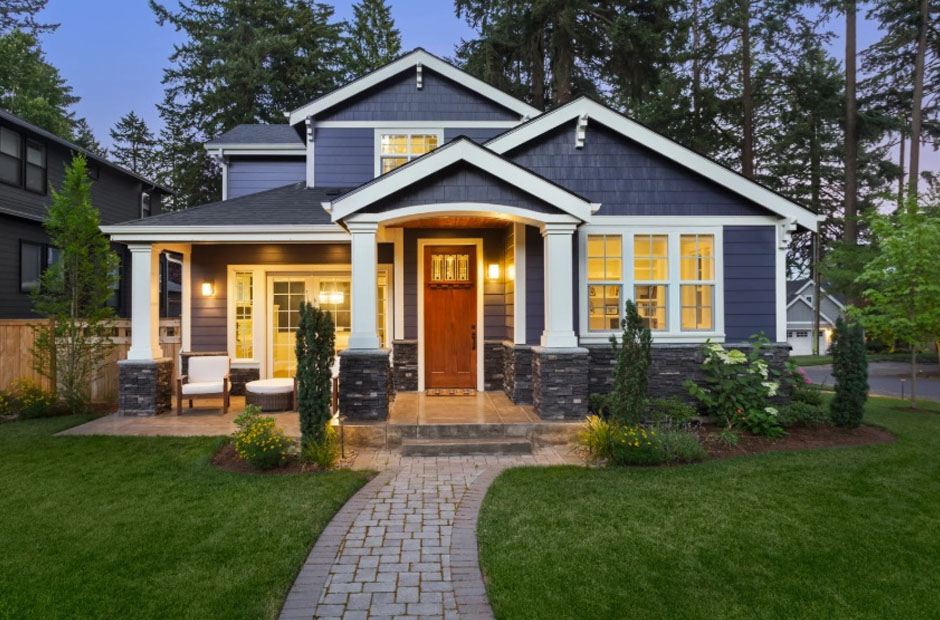
Boosting your home’s efficiency doesn’t have to be expensive – small upgrades can deliver meaningful results. Sealing air leaks, switching to LED lighting, and insulating your water heater are cost-effective changes that reduce energy use and lower bills.
Easy Changes for a Greener Home
Small adjustments can make your home more energy-efficient and environmentally friendly. By focusing on lighting, temperature control, and insulation, you can significantly reduce energy consumption and create a cozier living space.
Switch to LED Lighting
Switching to LED lighting is an effective way to reduce energy use. LEDs consume up to 80% less energy than traditional incandescent bulbs and have a longer lifespan, meaning you’ll replace bulbs less frequently. This change is not only cost-efficient but also environmentally friendly, as it reduces the waste from discarded bulbs. You might initially notice a higher cost for LED bulbs, but the long-term savings on your energy bill make it worthwhile.
LEDs come in various shapes and sizes, making it easy to find options that fit your fixtures. Since they emit less heat, they can help keep your home cooler and reduce air conditioning costs.
Install Programmable Thermostats
Programmable thermostats allow you to manage your home’s temperature more efficiently. By setting temperatures for different times of the day, you avoid wasting energy when heating or cooling isn’t needed. You can program the thermostat to lower the heat while you’re away and raise it before you return.
Many modern thermostats offer smart features, allowing you to control them remotely via smartphone apps. This flexibility lets you adjust settings on the go, maintaining efficiency even when your schedule changes. Installation is generally straightforward, and the energy savings can quickly offset the initial investment.
Seal Drafts and Air Leaks
Sealing drafts and air leaks improves your home’s insulation, making heating and cooling systems work more efficiently. Common culprits include gaps in windows, doors, and areas where plumbing, ducts, or electrical wiring penetrate exterior walls. Use weatherstripping and caulk to seal these leaks and retain indoor air, reducing the burden on your HVAC system.
A professional energy audit can identify major air leaks, but even addressing visible gaps can make a noticeable impact. Draft stoppers and window insulation kits are simple, cost-effective solutions.
Smarter Water and Power Habits
Improving your home’s efficiency doesn’t always require major renovations. Simple changes in your water and power habits can make a significant difference. Consider these steps to reduce waste and save resources.
Upgrade to Low-Flow Fixtures
Switching to low-flow fixtures is a smart way to save water without sacrificing performance. Low-flow showerheads and faucets are designed to use less water by mixing air into the water stream. This helps maintain pressure while reducing water usage by up to 30%.
Toilets are major water consumers. Replacing older models with low-flow versions can save thousands of gallons each year. Budget-friendly conversion kits can deliver similar savings.
Use Energy-Efficient Power Strips
Many electronics consume energy even when turned off – a phenomenon known as vampire power. Energy-efficient power strips can help. These power strips cut electricity usage by shutting off inactive devices.
Some power strips include timers or motion detectors for added control. Look for models with distinct outlets for essential and non-essential devices. By managing energy flow effectively, you can lower your electricity bills and reduce environmental impact without having to remember to always unplug devices manually. For households looking to go a step further, pairing these habits with an electricity billing solution can provide deeper insights into usage patterns and help identify additional savings opportunities.
Unplug Unused Devices
Unplugging devices when not in use is another straightforward way to increase efficiency. Many small appliances and electronics, like phone chargers or coffee makers, continue to draw power even when not actively being used.
Take the habit of unplugging these devices when finished or when they will remain idle for extended periods. Label cords to make identifying which to unplug easier. Over time, this reduces unnecessary power use and lowers energy bills. With a little effort and mindfulness, your home can run more efficiently.
Boosting Comfort Through Simple Upgrades
Enhancing your home’s comfort can be achieved with straightforward changes that improve daily living. Focus on improving insulation and sealing areas where energy loss is common to create a cozy environment.
Add Insulating Window Treatments
Insulating window treatments can make a significant difference in how comfortable your home feels year-round. Opt for thermal curtains or shades that trap heat during winter and reflect sunlight in the summer. Thermal curtains provide an extra barrier against the elements. Layered treatments can further improve efficiency. Adding window films to your glass panes can reduce heat gain and prevent UV rays from damaging furniture and flooring. Each layer you add contributes to reducing drafts and maintaining a steady indoor temperature, ultimately lowering energy usage.
Weatherstrip Doors
Weatherstripping your doors is a cost-effective way to eliminate drafts and maintain your home’s temperature. By sealing gaps and cracks around door frames, you prevent air leakage, keeping cold air out in the winter and warm air inside during the summer. Weatherstripping materials include foam, felt, vinyl, and rubber, each suited to different gaps. Properly installed weatherstripping not only improves comfort but can also help reduce noise pollution and keep dust and insects at bay. Regularly check and replace worn materials to ensure continued efficacy.
Insulate Attics and Floors
Insulating your attics and floors can effectively reduce energy bills and enhance indoor comfort. Warm air tends to rise, so attics often become a significant source of heat loss in homes. Adding fiberglass batts or spray foam insulation can help retain heat, making spaces more comfortable during colder months. Insulating floors, especially over unheated areas, helps prevent drafts and heat loss. This upgrade not only boosts thermal comfort but can also lead to noticeable savings on heating and cooling costs.
Creative Hacks to Lower Utility Bills
Explore smart strategies to reduce your utility bills while staying comfortable at home. Through optimizing how you use appliances, embracing natural sunlight, and maintaining your HVAC system, you can cut down on energy costs effectively.
Optimize Appliance Usage
Adjusting appliance use can reduce energy consumption. Start by taking advantage of off-peak electricity hours; some providers offer cheaper rates at night or during specific times. Consider using a smart plug to automate this process. Unplug devices not in use, as they consume energy even when turned off—the so-called “phantom load.”
Another tip is setting your refrigerator temperature between 35°F and 38°F to ensure it runs efficiently without using excess energy. For laundry, use cold water for washing whenever possible and air-dry clothes instead of using a dryer. By routinely performing these small adjustments, you can effectively decrease energy consumption and, consequently, your utility bills.
Utilize Natural Light
Maximize the use of natural light in your home to save on lighting costs. Open blinds and curtains during the day to let sunlight brighten your interiors, reducing your reliance on artificial lighting. Installing mirrors strategically can help reflect natural light into darker areas, enhancing the brightness of a room without electricity.
Energy-efficient window films or double-pane windows improve insulation and reduce heat loss. Skylights can further increase natural light. Natural light lowers costs and boosts your mood and well-being.
Maintain HVAC Filters
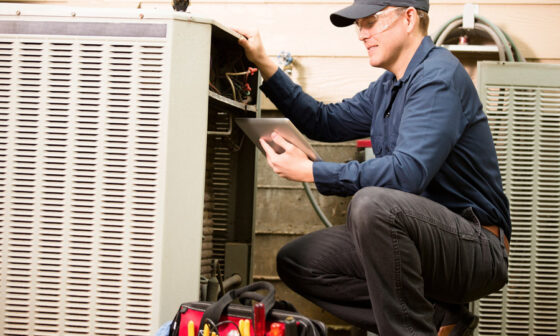
Regularly maintaining your HVAC system is crucial for optimizing its efficiency and lowering energy bills. Start by changing filters every one to three months to ensure proper airflow and reduce strain on the system. Clogged filters force your HVAC to work harder, using more energy.
Scheduled professional maintenance, such as an annual check-up, can also prevent costly repairs down the line and ensure everything functions efficiently. Ensure vents are clean and unobstructed to maintain airflow. As a result, your HVAC will perform more effectively, reducing energy use and keeping expenses in check.
Small Changes, Lasting Impact
Improving your home’s efficiency doesn’t require major renovations – just smart upgrades that add up over time. By making small adjustments to how you use energy, water, and insulation, you can reduce costs, enhance comfort, and create a more sustainable living space with minimal effort.