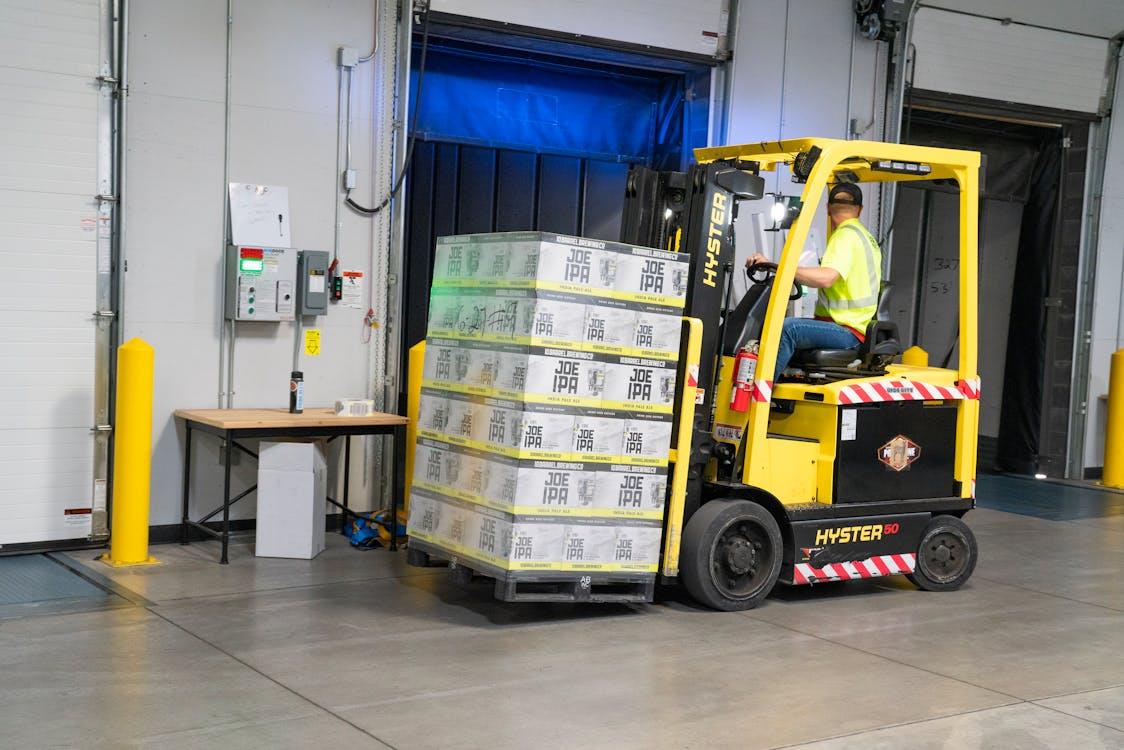
In many businesses, equipment is at the heart of daily operations. Whether it’s machinery in a warehouse, tools on a job site, or vehicles used for logistics, everything depends on these systems working properly. When equipment runs smoothly, work gets done on time, employees stay productive, and operations remain consistent.
But when something breaks down unexpectedly, the impact can be immediate and costly. Work slows down, deadlines are missed, and teams are forced to adjust on the spot. These disruptions not only affect productivity but can also lead to financial losses and customer dissatisfaction.
Despite this, maintenance is often overlooked. Many businesses focus on growth and output while treating equipment upkeep as a secondary concern. In reality, regular maintenance is not just about fixing problems. It’s about preventing them. By taking a proactive approach, businesses can keep operations running smoothly and avoid unnecessary setbacks.
The Role of Equipment Maintenance in Daily Operations
Equipment plays a direct role in how efficiently a business operates. From handling materials to completing production tasks, these tools support nearly every part of the workflow. Even small issues, such as worn-out components or reduced performance, can disrupt daily activities.
When equipment is properly maintained, it performs consistently. This means fewer interruptions, smoother processes, and better overall efficiency. On the other hand, neglecting maintenance can lead to frequent breakdowns, forcing employees to pause their work or find temporary solutions.
One important part of maintenance is ensuring that the right parts are used when repairs or replacements are needed. Using reliable components helps keep equipment functioning at its best. Many businesses turn to trusted sources, such as Intella Parts Company LLC, to find quality replacement parts that support long-term performance and reduce the risk of repeated issues.
For systems that handle fluids or operate under high pressure, choosing the correct sealing components is necessary to prevent leaks. Standard seals often do not fit the exact dimensions of specialized machinery, which can lead to system failures. Utilizing custom-fit solutions like cut to size gaskets helps maintain a tight seal under high temperatures and pressures. This simple step protects sensitive internal components and prevents unexpected fluid loss during daily operations. It also reduces the wear on surrounding parts, which keeps the entire system running safely.
Proactive maintenance also helps identify problems early. Instead of waiting for equipment to fail, regular checks and timely repairs keep everything in good condition. This approach not only saves time but also prevents disruptions that could affect the entire operation.
In the end, maintenance is not just a technical task—it’s a key part of keeping business activities running smoothly every day.
Reducing Downtime and Operational Disruptions
Downtime is one of the biggest challenges businesses face when equipment fails. When machines stop working, productivity comes to a halt. Employees may have to wait for repairs, and schedules can quickly fall behind.
Regular maintenance helps reduce these risks. By inspecting equipment and addressing issues early, businesses can prevent unexpected breakdowns. Scheduled servicing ensures that machines remain in good condition and continue to operate as expected.
Minimizing downtime also improves workflow. When operations run without interruptions, teams can stay focused and complete tasks more efficiently. This consistency is especially important in industries where timing and reliability are critical.
Reducing disruptions not only improves productivity but also helps maintain a strong reputation with clients and customers.
Cost Savings Through Preventive Maintenance
Many businesses see maintenance as an expense, but it is actually an investment. Preventive maintenance can save money in the long run by reducing the need for major repairs and replacements.
When equipment is regularly maintained, small issues can be fixed before they become serious problems. This prevents costly repairs that could arise from neglect. It also extends the life of the equipment, delaying the need for expensive replacements.
Another financial benefit is avoiding downtime. When operations are interrupted, businesses can lose revenue and face additional costs. Keeping equipment in good condition helps prevent these losses.
By planning for maintenance and including it in the budget, businesses can manage costs more effectively and avoid unexpected financial strain.
Improving Workplace Safety and Compliance
Extending Equipment Lifespan
Equipment is a significant investment for any business. Replacing machinery too often can be costly and disruptive. Regular maintenance helps extend the lifespan of these assets, allowing businesses to get more value from their investment.
Taking care of equipment ensures that it continues to perform efficiently over time. Cleaning, servicing, and replacing worn parts all contribute to longer-lasting performance.
By extending the life of equipment, businesses can delay major expenses and allocate resources more effectively. This approach supports long-term financial stability and reduces the need for frequent upgrades.
Maintaining equipment is not just about keeping it running—it’s about protecting the investment behind it.
Enhancing Productivity and Employee Performance
Reliable equipment makes a big difference in how employees perform their work. When machines function properly, tasks can be completed without delays or frustration. This creates a smoother workflow and helps employees stay focused.
On the other hand, frequent breakdowns can disrupt routines and reduce morale. Workers may feel frustrated when they cannot complete their tasks due to equipment issues. Over time, this can affect overall productivity.
By maintaining equipment, businesses create a more efficient and supportive work environment. Employees can rely on the tools they use, allowing them to perform at their best.
Improved productivity benefits the entire organization, leading to better results and stronger performance.
Common Maintenance Mistakes to Avoid
Even businesses that prioritize maintenance can make mistakes. One common issue is ignoring small problems. Minor issues may seem unimportant at first, but they can quickly turn into major failures if left unaddressed.
Another mistake is skipping regular inspections. Without routine checks, it’s difficult to identify potential problems early. This increases the risk of unexpected breakdowns.
Using low-quality parts is also a concern. Cheap components may save money initially, but often lead to more frequent repairs and reduced performance.
Lack of a clear maintenance schedule can create inconsistency. Without a plan, maintenance tasks may be delayed or overlooked.
Avoiding these mistakes helps ensure that maintenance efforts are effective and contribute to long-term success.
Equipment maintenance is a critical part of running an efficient and successful business. It supports daily operations, reduces downtime, and helps control costs. More importantly, it creates a safer and more productive work environment.
By taking a proactive approach, businesses can prevent problems before they occur and keep their equipment in top condition. This not only improves performance but also protects valuable investments.
In the long run, maintenance is not just about keeping machines running—it’s about supporting the overall success of the business. With proper planning and consistent effort, businesses can achieve greater efficiency and build a strong foundation for growth.

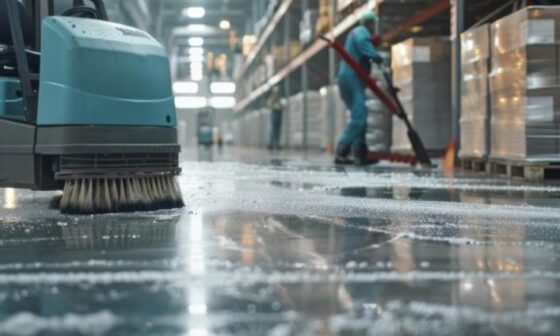





Safety is another important reason to maintain equipment. Faulty machinery can create dangerous conditions for employees. Malfunctions may lead to accidents, injuries, or even more serious incidents.
Regular maintenance helps reduce these risks by ensuring that equipment is safe to use. Inspections can identify potential hazards, allowing businesses to address them before they cause harm.
In many industries, safety regulations require equipment to meet certain standards. Proper maintenance helps ensure compliance with these requirements. This not only protects employees but also prevents legal issues and penalties.
A safe work environment benefits everyone. It builds trust among employees and supports a more productive and positive workplace.