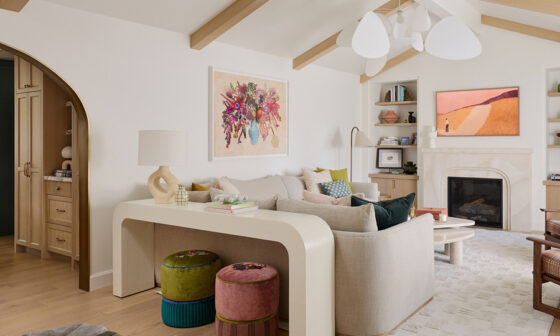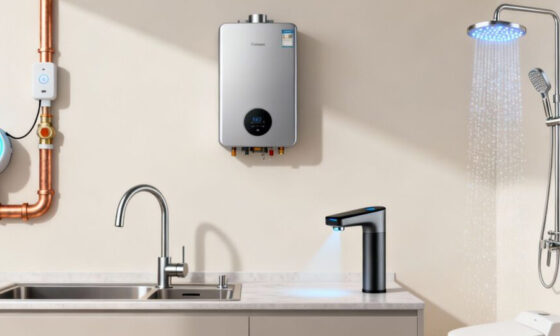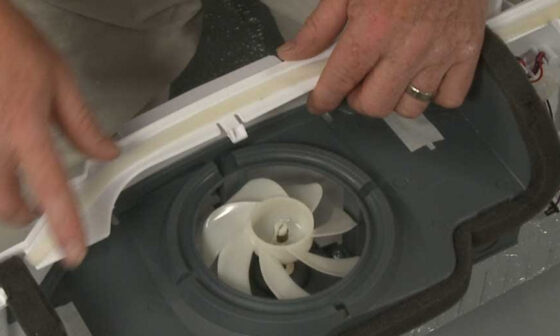
There’s a point, often after a few seasons in the same house, when the place begins to show how well it keeps up with daily life. Not in obvious ways. More in the background. A room that takes longer to cool. A kitchen corner that feels tighter than it should when more than one person is there. Surfaces that have started to lose their edge, just slightly.
None of it feels urgent. But in real estate, these quiet shifts tend to matter more than they seem. A property isn’t only measured by size or location. It’s also read through how it functions, how it holds up, and whether it feels current enough to meet expectations without asking for too much work in return. That’s usually where the idea of upgrading begins. Not as a big plan, but as a series of small realizations.
Replacing Windows for Energy Efficiency and Market Appeal
Windows tend to be left alone longer than most features. They’re fixed in place, easy to overlook, and often assumed to be fine as long as they open and close.
But over time, their impact becomes harder to ignore. Rooms that never quite reach a steady temperature. Light that feels dull or uneven. A faint noise from outside that carries in more than it used to. These things don’t always point directly to the windows at first, but they often lead back there.
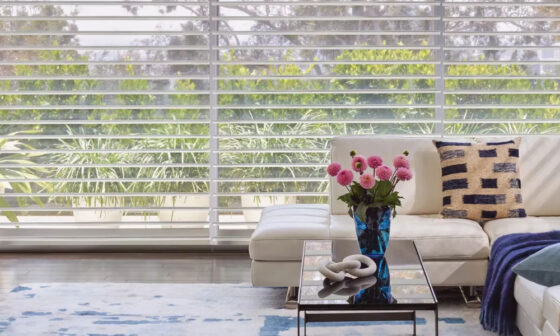
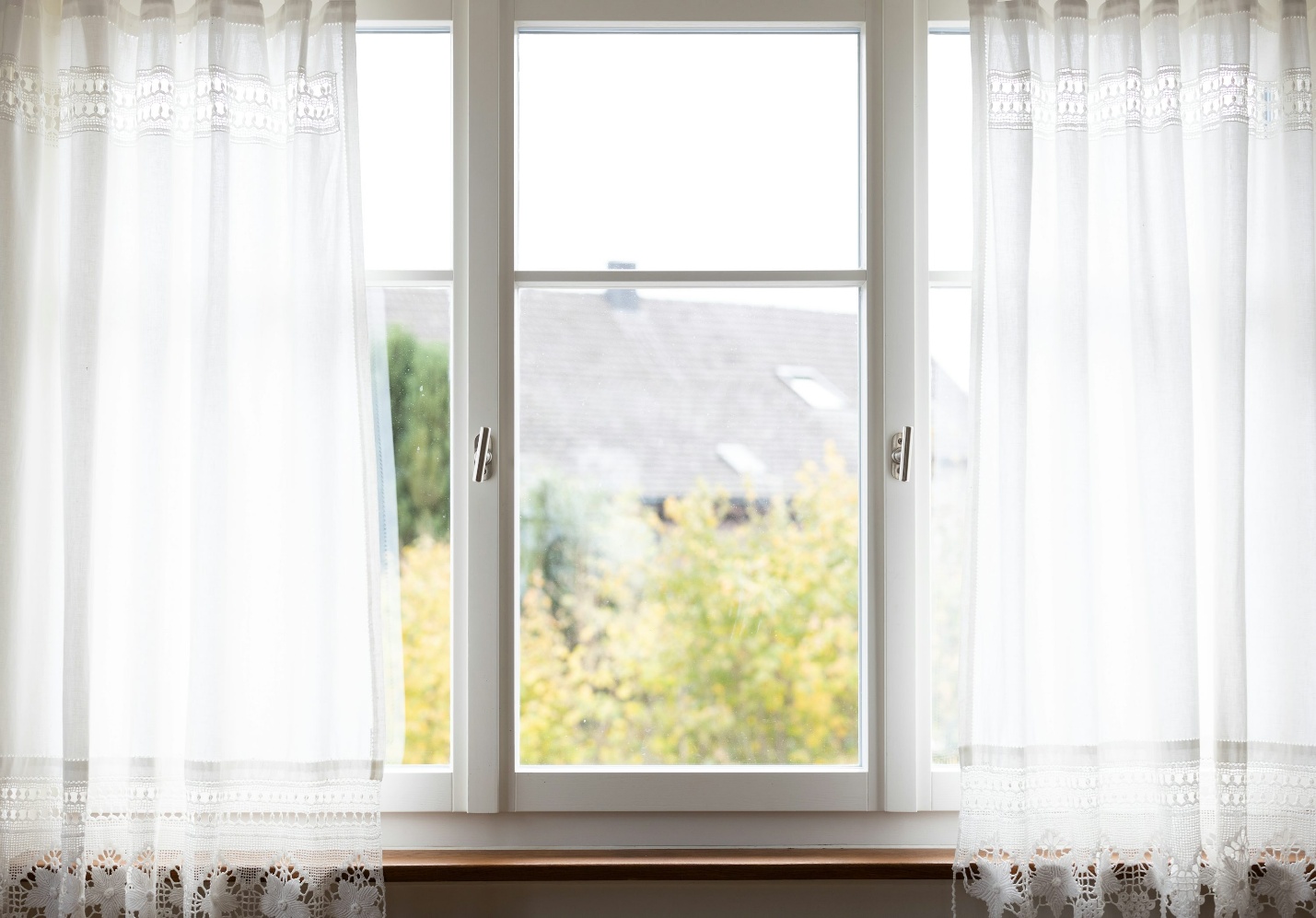
That’s when homeowners consider window replacement to improve energy efficiency, enhance comfort, and update the overall look of their home. The change is usually gradual rather than dramatic. Heating and cooling systems don’t have to work as hard. Natural light feels clearer, less obstructed. There’s a kind of balance that settles in, almost unnoticed at first. From a value perspective, updated windows do more than improve appearance. They signal that the home has been maintained in ways that matter. Buyers tend to read this as a reduction in future costs. Not having to replace windows soon, not having to deal with drafts or rising energy bills—it adds a layer of reassurance.
Kitchen Updates That Reflect Everyday Use
Kitchens tend to carry more weight than most rooms. Not just because they’re used often, but because they’re observed closely. Even small details stand out.
Cabinets that don’t close properly. Countertops that have dulled over time. Layouts that feel slightly restrictive. These are not always major issues, but they affect how the space is experienced day to day. Upgrading a kitchen doesn’t necessarily mean starting over. Sometimes it’s about refining what’s already there. Replacing worn countertops. Updating cabinet fronts or hardware. Improving lighting so the space feels more usable. Even small adjustments—like adding storage where it was lacking—can shift how the kitchen functions.
Bathroom Improvements That Signal Maintenance
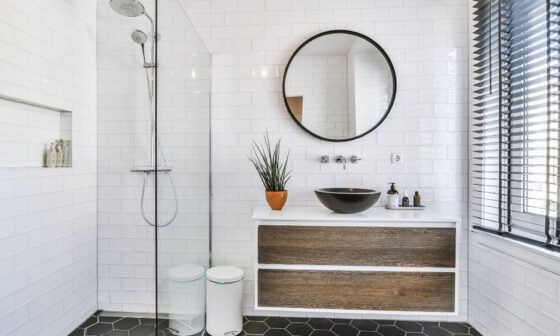
Bathrooms are similar, though in a quieter way. They don’t need to stand out, but they shouldn’t raise questions either. Outdated fixtures, worn tiles, or inconsistent water pressure tend to leave an impression. Not always a strong one, but enough to suggest that updates may be needed soon.
Improvements here are often straightforward. Replacing fixtures. Updating tiles or finishes. Ensuring that plumbing works reliably. These changes don’t need to feel luxurious. In fact, overly styled spaces can sometimes feel out of place. What matters more is that the bathroom feels resolved. Clean lines, working systems, nothing that feels temporary or unfinished.
Flooring Upgrades That Restore Continuity
Floors are one of the first things people notice without realizing it. They carry movement, wear, and time more openly than most features. Scratches, uneven surfaces, or mismatched materials can break the sense of continuity in a home. Even if everything else is in place, flooring can quietly disrupt the overall impression.
Upgrading flooring doesn’t always mean replacing everything. Refinishing hardwood, repairing damaged sections, or choosing a consistent material across connected spaces can bring a sense of cohesion back. That cohesion tends to matter. A home that flows visually from one room to another feels easier to understand. It feels settled.
Energy Efficiency Improvements Like Insulation and HVAC Updates
Some parts of a house don’t ask for attention. They sit behind walls, above ceilings, under floors. Easy to forget they’re even there. Until something feels slightly off.
A room that cools down too quickly once the system shuts off. Another that never quite reaches the same temperature as the rest of the house. The thermostat gets adjusted, then adjusted again. It works, but not in a settled way. More like it’s being managed all the time.
That’s usually where insulation starts to come into the picture. Not as a visible change. More as a correction. Filling in what’s missing so the house holds onto its own conditions a little better. The same goes for older heating and cooling systems. They keep running, often for years, even as their output becomes less consistent. Air moves, but not evenly. Some areas feel overworked, others left behind.
Exterior Improvements That Shape First Impressions
The exterior is the first part of the property that’s encountered, even before stepping inside. It sets a tone that’s hard to reverse later fully. Faded paint, worn roofing, or an unmaintained yard can create hesitation early on. Not because they are deal-breakers, but because they suggest additional work.
Improvements here are often practical, like:
- Repainting surfaces
- Repairing roofing
- Maintaining landscaping so the property feels cared for.
These changes don’t need to be elaborate. What they do is establish a baseline. A sense that the home has been looked after. That first impression tends to carry through the rest of the viewing.
Upgrading a home doesn’t always follow a clear path. It happens in parts. One change leads to another. Some decisions feel obvious. Others take time. And over time, the house begins to reflect those adjustments. Not perfectly. But differently.
In the end, value doesn’t come from a single upgrade. It builds from how all these changes settle together—how the home feels to move through, to maintain, to live in without constant correction. That sense is difficult to measure directly. Still, it tends to be recognized when it’s there.