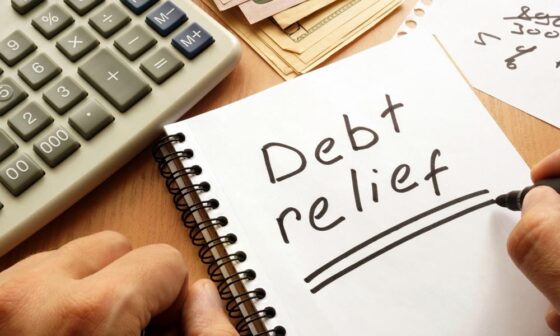
Debt affects more than your bank balance. It influences daily decisions, sleep quality, and long-term financial confidence. Many individuals face rising living costs, and household debt levels remain high relative to income, putting financial pressure on households. When multiple obligations build up, it becomes harder to focus on saving, investing, or planning for the future.
Taking control starts with awareness and structure. Instead of reacting to bills as they come, a proactive plan helps you regain stability. Financial discipline plays a key role, but it works best when paired with clear strategies. By understanding your obligations, organizing repayments, and making informed choices, you can reduce stress and move toward lasting financial security.
Finding Practical Ways to Manage Your Debt
Managing your debt effectively starts with understanding your repayment capacity and choosing options that align with your financial rhythm. Setting a clear budget, making timely payments, and adjusting your repayment schedule, whether weekly, fortnightly, or monthly, can help you stay on track and reduce financial stress.
It is also important to be aware of flexible borrowing solutions like a personal loan, which can be tailored to your needs with adjustable loan terms, clearly outlined fees, and interest rates based on your credit profile. Whether you are funding a specific purpose or managing everyday expenses, having clear visibility over your repayments and timelines is essential.
The Psychological Impact of Debt and the Power of a Mindset Shift
Debt often creates ongoing stress that affects both mental and emotional well-being. Constant worry about payments can lead to avoidance, where individuals delay reviewing their finances or making necessary decisions. This cycle can worsen financial problems over time, making it harder to regain control.
A shift in mindset can change this pattern. Viewing debt management as a structured process rather than an overwhelming problem helps build confidence. Setting realistic goals and acknowledging progress, even in small steps, creates momentum. When you focus on solutions instead of setbacks, you strengthen your ability to stay consistent and make better financial choices.
Auditing Your Liabilities: Creating a Clear Debt Inventory
Understanding your full financial picture is essential for effective debt management. Many people underestimate how much they owe because they do not track all their obligations in one place. Without a complete overview, it becomes difficult to prioritize repayments or identify areas for improvement.
Creating a detailed debt inventory provides clarity. List each balance along with its interest rate, minimum payment, and due date. This process highlights which debts cost the most and require immediate attention. With this information, you can develop a focused repayment plan and explore restructuring or simplifying your financial commitments.
Choosing a Repayment Strategy: Snowball vs. Avalanche Methods
Selecting the right repayment strategy can make a significant difference in how quickly and effectively you reduce your debt. Two widely used methods are the snowball and avalanche approaches. The snowball method focuses on clearing the smallest balances first, which can provide quick wins and a sense of accomplishment. This approach works well for individuals who need motivation to stay consistent.
The avalanche method, on the other hand, prioritizes debts with the highest interest rates. This strategy reduces the total interest paid over time and is often the most cost-effective option. Choosing between these methods depends on your financial goals and personal habits. Some people benefit from a hybrid approach that balances motivation with long-term savings.
Budgeting and Lifestyle Creep: Regaining Control of Your Spending
A well-structured budget is essential for managing debt effectively. It helps you understand where your money goes and ensures that you allocate enough funds toward repayments. Without a clear budget, it is easy to overspend and fall behind on financial goals. Tracking income and expenses allows you to make informed adjustments and stay in control.
Lifestyle creep can quietly undermine progress. As income increases, spending often rises as well, leaving little room for savings or debt reduction. Identifying unnecessary expenses and setting limits can prevent this pattern. Small changes, such as reducing discretionary spending, can free up extra funds that accelerate your path to becoming debt-free.
Negotiation Tactics: Working with Creditors to Improve Terms
Many borrowers overlook the option to negotiate with creditors. Lenders are often willing to adjust terms, especially if you demonstrate a commitment to repayment. Lower interest rates, extended payment plans, or temporary relief options can make a significant difference in managing your obligations. Reaching out early increases your chances of finding a workable solution.
Preparation is key when entering these discussions. Review your financial situation, gather relevant documents, and clearly outline what you can afford. Honest communication builds trust and encourages flexibility. Even small adjustments can reduce financial pressure and help you stay consistent with your repayment plan.
Long-Term Maintenance: Building an Emergency Fund for Stability
An emergency fund plays a crucial role in maintaining financial stability after reducing debt. Unexpected expenses can arise at any time, and without savings, it is easy to rely on credit again. Setting aside even a small amount regularly can create a financial cushion over time. Consistency matters more than the initial amount saved.
As your situation improves, gradually increase your emergency fund. This safety net reduces stress and provides confidence when facing financial uncertainties. By having funds readily available, you can avoid setbacks and continue building a stronger financial foundation without returning to debt.
Building Lasting Financial Confidence
Managing debt requires a combination of structure, discipline, and informed decision-making. By choosing the right repayment strategy, maintaining a clear budget, and communicating effectively with creditors, you create a system that supports long-term success. Each step builds toward greater control and stability.
As you reduce your financial obligations and strengthen your savings, you gain more than just monetary relief. You develop confidence in your ability to manage money and plan for the future. This sense of control brings lasting peace of mind and helps you maintain a stable financial life moving forward. Over time, these habits become a strong foundation for achieving your broader financial goals and sustaining long-term security.