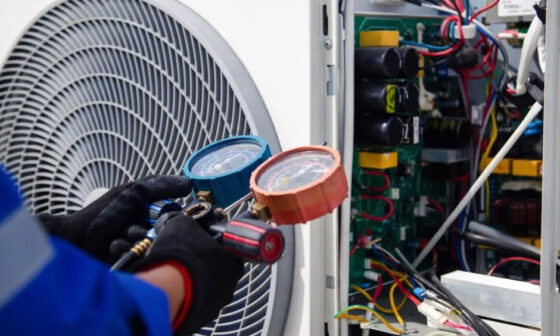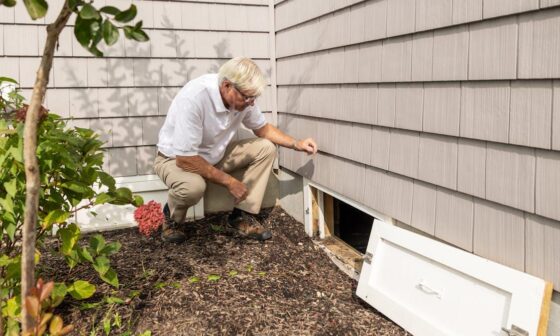
Homeowners in warmer climates have a habit of ignoring the heating system until the one cold week of the year arrives. By then, the furnace warning signs that were present months earlier have turned into something that requires emergency service on a night when every HVAC company in town is already overbooked.
A milder climate does not make small heating problems less important. It just gives them longer to develop before they matter.
Why Mild Climates Breed Heating System Neglect
The furnace that only runs for thirty days a year feels like a low-priority system. Homeowners in places like Austin tend to focus attention on the air conditioner, which runs hard for six months or more. The heating system sits quietly in the background until the first real cold front, and then it has to perform.
The problem with this pattern is that heating systems do not announce their problems loudly. They degrade gradually. A furnace that struggled at the end of last winter and sat unused for nine months is going to start this winter in the same degraded condition, or worse.
Winter prep should include the heating system even when the thought of cold weather feels abstract. A quick check in October costs a fraction of emergency service in December.
Early Signs That People in Warm Climates Usually Brush Off
A smell when the furnace first kicks on is one of the most common early signs. Dust burning off the heat exchanger is normal for the first run of the season and clears quickly. A smell that lingers, a burning odor that returns with each cycle, or anything that smells like sulfur or something electrical is not normal.
Airflow issues are another early indicator. If some rooms heat well and others stay cold, the system may have a duct issue, a blower problem, or a filter that has not been changed in too long. Uneven heating often gets blamed on the house when the HVAC service history would tell a different story.
Thermostat problems show up as cycling that seems off: the furnace runs too briefly to reach temperature, or it stays on well past the set point. Both patterns suggest the system is not reading or responding to conditions correctly.
Furnace Warning Signs: What Small Issues Can Turn Into
A cracked heat exchanger is one of the more serious outcomes of deferred heating repair. The heat exchanger is the component that separates combustion gases from the air circulating through the home. A crack allows carbon monoxide to enter living spaces, which is a home safety concern that justifies immediate attention.
A blower motor that is running slow or starting to fail will eventually fail completely, leaving the system unable to distribute heat at all. Technicians offering furnace replacement in austin tx evaluations often catch these intermediate stages during a routine visit, when the repair is still straightforward rather than urgent.
Ignition problems are a common intermediate failure. A furnace that takes multiple attempts to light, or that lights and then shuts off quickly, is not heating the home safely or efficiently. Left unaddressed, intermittent ignition failures become complete ignition failures.
What Odd Noises Are Actually Telling You About the System
A banging sound when the furnace starts often comes from delayed ignition. Gas builds up briefly before igniting, and the burst creates a small bang. This stresses the heat exchanger over time. A squealing or grinding noise from the blower typically means a bearing or belt that needs attention.
Rattling sounds may indicate a loose panel, a disconnected duct, or something caught in the blower. These are often straightforward to fix when caught early. When ignored, the loose component can cause damage to adjacent parts that makes the repair much more involved.
A furnace that runs normally and then develops a new noise is asking for attention. The noise is a symptom. Waiting for it to get louder or for the system to stop running is how a small repair becomes an expensive one.
When to Get Help Before Cold Weather Makes It Urgent
The fall, before the first cold week, is the natural window for heating system service. HVAC companies have more availability. Parts are in stock. Scheduling is flexible. The homeowner is not sweating through a cold house waiting for the next available appointment.
A heating system that has not been serviced in two or more years, or one that showed any of the signs described above at the end of last season, should be evaluated before it is asked to run again. A visual inspection and a combustion test take an hour and cost very little.
Homeowners who schedule this in September or October have options. Those who wait until January are making decisions under pressure in the middle of the problem, with fewer contractors available and longer waits for parts.
The Furnace You Ignore in October Is the Problem You Face in January
Mild winters do not exempt homes from heating system problems. They just delay when those problems become urgent. The delay is not neutral. It gives small issues time to become larger ones and removes options for orderly repair.
The furnace warning signs covered here are easy to dismiss individually. Together they describe a system that needs attention. Taking them seriously in advance of cold weather is what separates a comfortable winter from a disruptive one.
In a mild climate, the heating system rarely gets the attention it would earn in a harsher one. That gap in attention is exactly what small problems need to grow into larger ones before anyone notices.