Renovating a home or office in Arizona requires a practical approach shaped by heat, sun exposure, and sudden weather changes that affect materials and performance over time. Every decision, from insulation and windows to outdoor design, plays a role in how comfortable, efficient, and durable the space will be. Ignoring these factors can lead to higher energy costs, faster wear, and frequent repairs. A well-planned renovation, on the other hand, improves daily comfort while protecting long-term value. So, how do you make choices that actually hold up in a climate like this?
Why Renovating in Arizona Is a Different Experience
Renovating in Arizona means working with one of the harshest residential climates in the country, where prolonged heat and intense sunlight are constant factors. Materials expand, contract, and degrade faster under these conditions, which can shorten the lifespan of poorly chosen finishes. What might last decades in milder climates can show wear much sooner here if not selected carefully. This makes durability and heat resistance essential considerations rather than optional upgrades. Understanding this early helps prevent costly repairs and repeated renovations.
At the same time, Arizona properties often benefit from strong resale potential when renovations are done right. Buyers and tenants tend to value energy efficiency, cooling performance, and low-maintenance materials. A well-planned renovation can therefore improve both daily comfort and long-term value. This is especially true for offices, where operational costs and employee comfort directly affect productivity. Renovating with the local environment in mind is not just practical, it’s a strategic decision.
Start With the Climate
Extreme heat is the most defining factor in Arizona renovations, affecting everything from roofing systems to interior finishes. Surfaces exposed to direct sunlight can reach very high temperatures, leading to faster material breakdown. Paint can fade, sealants can crack, and roofing materials can deteriorate if they are not designed for such conditions. Planning for these effects from the beginning allows you to choose materials and designs that hold up over time. Ignoring them often leads to premature replacements and higher long-term costs.
In addition to heat, Arizona’s environment includes dust, dry air, and seasonal monsoon storms that bring sudden rain and wind. These elements can impact ventilation systems, exterior finishes, and even structural components if not properly addressed. Homes and offices in urban desert areas may face more dust accumulation, while higher elevations may experience cooler temperatures and different moisture levels. This variation means renovation strategies should be adjusted based on the specific location. A one-size-fits-all approach rarely works across the state.
Getting Clear on Your Plan Before You Start
A successful renovation starts with a clear understanding of what needs to be done and why. It is easy to focus on visual upgrades, but in Arizona, functional improvements often deliver greater value. Budgeting should account for climate-related upgrades such as insulation, efficient windows, and durable exterior materials. Setting aside a contingency fund is also important, as unexpected issues can arise once work begins. Planning with flexibility helps keep the project on track without compromising quality.
It is also important to distinguish between short-term improvements and long-term investments. For example, upgrading cooling systems or improving insulation may not be as visible as new finishes, but they can significantly reduce energy costs. In office spaces, these decisions can directly impact operating expenses and employee comfort. Residential projects may prioritize livability and resale value, while commercial projects often focus on efficiency and durability. Aligning your goals with the type of property ensures that every decision supports a clear outcome.
Materials Matter More in Arizona Than You Might Think
Material selection plays a central role in how well a renovation performs over time in Arizona. Heat-resistant roofing, durable exterior coatings, and UV-stable finishes can significantly extend the life of a property. Flooring choices also matter, as some materials retain heat while others help keep interiors cooler. Hard surfaces like tile or concrete tend to perform well in high temperatures and require less maintenance. Choosing the right materials reduces both wear and ongoing upkeep.
On the other hand, materials that are not suited for extreme conditions may require frequent repairs or replacements. Certain types of wood, for example, can warp or crack if not properly treated or maintained. Similarly, lower-quality finishes may fade or degrade quickly under constant sun exposure. Investing in higher-quality materials upfront often leads to lower long-term costs. This approach is especially important for exterior elements, where exposure is constant and unavoidable.
Creating a Comfortable Indoor Environment Year-Round
Comfort indoors is not just about temperature, but also about airflow and air quality. Proper ventilation helps remove heat and maintain a steady circulation of air, which is especially important in tightly sealed buildings. Sealing gaps and improving ductwork can prevent dust from entering and reduce strain on ventilation systems. These changes contribute to a cleaner and more consistent indoor environment. In Arizona, where dust is a constant presence, this becomes even more important.
Material choices also influence indoor comfort and health. Low-emission finishes and easy-to-clean surfaces can help maintain better air quality over time. For offices, where many people share the same space, these considerations are critical. Fluctuating occupancy levels can affect temperature and airflow, requiring systems that can adapt quickly. Designing with these factors in mind leads to spaces that feel more comfortable and perform better daily.
Making Outdoor Spaces Actually Usable in the Heat
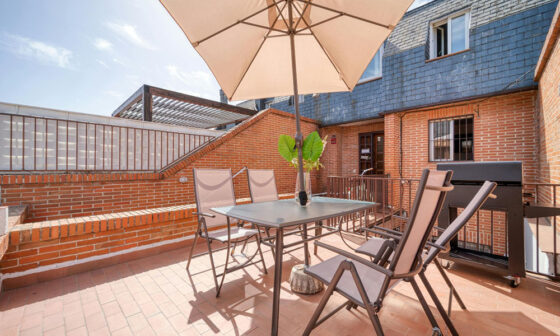
Outdoor areas in Arizona can quickly become unusable without proper planning. Direct sunlight and high temperatures make shade one of the most valuable features in any renovation. Adding covered patios, pergolas, or other shade structures can significantly improve usability. These features also help reduce heat transfer into adjacent indoor spaces. A well-designed outdoor area can extend living or working space without increasing energy demands.
Material selection is equally important outdoors, as some surfaces absorb and retain more heat than others. Choosing materials that stay cooler underfoot improves comfort and safety. Landscaping should also be designed to work with the environment, using low-water plants and efficient irrigation systems. This approach reduces maintenance while supporting long-term sustainability. When done correctly, outdoor spaces can be functional even during warmer months.
Renovating Office Spaces With Comfort and Productivity in Mind
Office renovations in Arizona must balance comfort with operational efficiency. Layout decisions can influence how heat is distributed and how effectively cooling systems perform. Open spaces may require different cooling strategies compared to segmented layouts. Incorporating solutions like acoustic office pods can also help create quiet, focused areas within open-plan environments without compromising overall design. Positioning work areas away from direct sunlight can also improve comfort. These small adjustments can have a meaningful impact on daily productivity.
Lighting is another important factor, as it can contribute to both energy use and indoor temperature. Efficient lighting solutions generate less heat and reduce overall energy consumption. Durable materials are also essential in high-traffic office environments, where wear and tear occur more quickly. Choosing finishes that hold up over time reduces maintenance disruptions. A well-planned office renovation supports both employee well-being and long-term efficiency.
Choosing the Right People for the Job
Working with remodeling professionals who understand Arizona’s conditions can make a significant difference in the outcome of a renovation. Local experience helps ensure that materials, designs, and systems are appropriate for the environment. Contractors familiar with regional challenges are better equipped to anticipate and solve problems. This reduces the likelihood of delays and costly mistakes. Choosing the right team is one of the most important decisions in any renovation project.
It is also important to understand local building codes and energy requirements. These regulations are often designed to improve safety and efficiency in response to the climate. Asking the right questions before hiring a contractor can help clarify expectations and responsibilities. In some cases, specialists may be needed for specific aspects such as roofing or HVAC systems. Bringing in the right expertise ensures that each part of the project is handled properly.
Mistakes That Can Cost You Later
One of the most common mistakes in Arizona renovations is underestimating the impact of the climate. Choosing materials or systems based solely on cost can lead to faster deterioration and higher long-term expenses. Skipping energy-efficient upgrades may reduce upfront costs but increase ongoing utility bills. These decisions often result in the need for additional repairs or replacements. Taking a long-term view helps avoid these issues.
Another frequent issue is poor planning for sun exposure and outdoor conditions. Failing to incorporate shade or proper orientation can make spaces uncomfortable and less usable. In addition, focusing too heavily on appearance without considering durability can lead to disappointing results. A balanced approach that considers both form and function is essential. Avoiding these mistakes helps ensure that renovations deliver lasting value.
Conclusion
Successful renovations in Arizona come down to understanding the environment, choosing the right materials, and prioritizing efficiency over quick fixes. Thoughtful upgrades can reduce energy use, improve indoor comfort, and extend the lifespan of both residential and commercial spaces. Avoiding common mistakes and planning for long-term performance helps ensure that the results remain practical and cost-effective over time. Whether updating a home or refining an office, each decision should support durability and usability. In a place where conditions are consistently demanding, isn’t it worth building with that reality in mind?