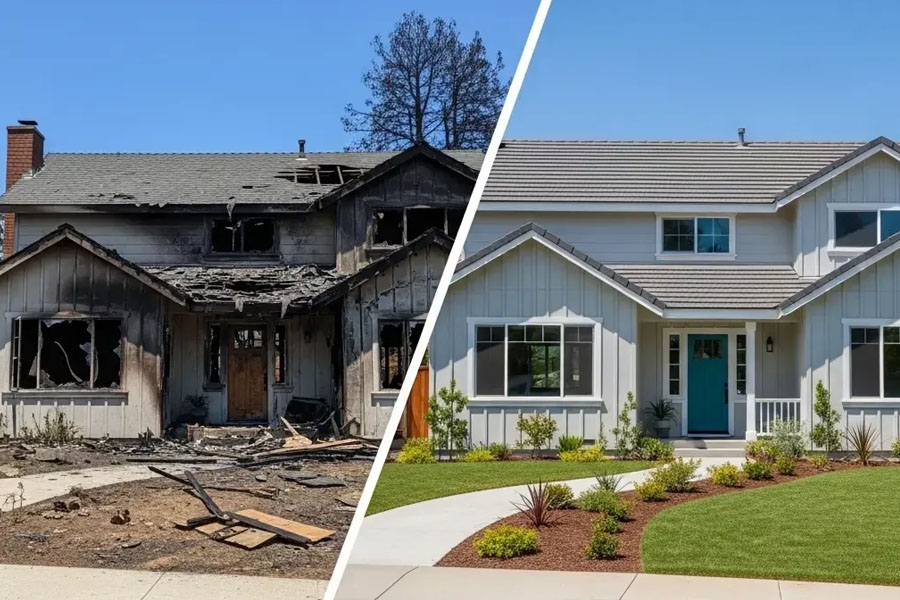
The Growing Need for Fast Home Transactions
In markets like San Antonio, timing can determine whether a property becomes a burden or an opportunity. Distressed homes, particularly those suffering from fire or structural damage, often stand as reminders of uncertainty. Yet, for experienced investors and homeowners who act strategically, these same properties can open doors to financial recovery. Selling for cash has transformed from a niche solution into a mainstream path for those seeking efficiency and certainty in an unpredictable market.
The modern homeowner no longer views cash buyers as a last resort but as partners in crisis management. In situations involving fire-damaged roofs, deteriorating foundations, or prolonged vacancy, the need for immediate liquidity outweighs the slow cadence of traditional listings. Cash-driven offers are redefining how property value is perceived and how equity is accessed swiftly.
How Liquidity Transforms Distress into Financial Flexibility
The essence of a cash sale lies in its ability to convert illiquid assets into usable capital. When a homeowner faces damage or debt, every week spent waiting for a buyer can feel like watching paint dry on a collapsing wall. Cash buyers eliminate that anxiety. By bypassing bank requirements, appraisals, and the fragile chain of buyer financing, they turn stagnation into movement.
Emotional freedom comes with liquidity. Burned buildings are more than just structures—they symbolize loss. Cash sales free homeowners from physical and emotional stress. A clean slate allows new beginnings and smarter financial decisions.
Structuring a Transparent and Efficient Cash Sale
Real homebuyers distinguish themselves from shady middlemen through transparency. For true cash transactions, proof of funds should accompany the offer. This document proves the buyer has immediate capital. Without it, a seller risks empty promises in negotiations.
Simple steps are typical. After the initial consultation and property review, the buyer submits a formal offer that highlights the property’s potential. The closure process is rapid after acceptance. Some deals close in ten days, providing reliable choices for homeowners who cannot wait for lending approvals.
First-time sellers are surprised by how easy it is. No staging, repairs, or agent fees. The property’s condition becomes neutral rather than a negotiation tool against the seller. This streamlined approach feels like releasing an anchor that has held financial progress hostage for many.
Comparing Market Pathways for Distressed Properties
Traditional listings still serve well-kept homes positioned in favorable neighborhoods. But the average distressed property rarely fits this mold. When damage is extensive or when the owner faces a pressing timeline, the conventional process proves cumbersome. Multiple showings, appraisal contingencies, and layered negotiations stretch the sale across months.
Direct sales present a compelling alternative. In these arrangements, sellers prioritize speed and certainty, while buyers take on risk in exchange for potential rehabilitation profit. It is not merely a transaction; it is a mutual exchange of needs. The homeowner gains clarity, and the investor secures an opportunity to restore value. Both sides find advantage in the swiftness of resolution.
Fire-Damaged Homes and the Path to Renewal
Homes burned often tell a story of devastation. Smoke permeation, framed instability, and insurance disputes lurk behind the charred walls. Traditional agents may refuse such listings because few buyers can get mortgages for heavily damaged homes.
In contrast, cash buyers view these homes through a different lens. They recognize the underlying framework—the land, the location, the rebuild potential. By valuing these tangible elements rather than fixating on damage, they redefine the property’s worth. It is a form of real estate alchemy, where loss transforms into possibility. Sellers no longer need to battle with contractors or navigate reconstruction permits. The buyer takes the challenge, and the homeowner receives immediate closure.
Stabilizing Sales with Foundation-Issue Solutions
Most sellers fear foundation damage since it suggests obvious and invisible issues. Traditional purchasers avoid cracked flooring and bent walls, which indicate structural changes. Repair costs can soar, making the property unsellable.
Cash transactions change that story. Cash purchasers familiar with structural issues assess repair costs and alter bids. They may boldly proceed when others recede due to their engineering assessments and soil condition studies. The consequence is a market that embraces imperfection and offers homeowners a fair exit path.
Why Certainty Outweighs Market Speculation
Some say uncertainty is the toughest currency to quantify. Traditional transactions may fail because to finance or appraisal difficulties between listing and closing. Setbacks cost weeks and emotional energy. Cash transactions eliminate financing instability. The deal either happens or not—no limbo.
Families handling relocation, probate sales, or financial recovery benefit from this consistency. Knowing finances will arrive in weeks changes planning. Immediate cash allocation lets owners pay off debts, buy a home, or invest wisely. The rhythm of reliability is rare in conventional marketplaces.
Evaluating Multiple Cash Offers and Analyzing Value
Every homeowner should evaluate cash offers. Speed appeals, but justice matters most. Understanding a proposal’s calculation boosts decision confidence. Professional purchasers estimate the property’s After-Repair Value (ARV).
From this ARV, buyers deduct estimated restoration expenses, holding costs, and expected returns. The remaining figure becomes the offer amount. Knowing this structure lets sellers compare competing bids thoroughly rather than focusing solely on the headline number. Even a small difference in repair assumptions can shift the final amount considerably.
Requesting multiple cash bids broadens perspective. Buyer models vary, revealing market expectations. This information empowers sellers to choose between immediate sale or short-term improvement.
The Role of Professional Integrity in Direct Sales
Ethics strengthen the backbone of every successful cash purchase. Reputable buyers communicate openly, honor agreed timelines, and maintain clarity throughout documentation. Any ambiguity surrounding fees or delayed payment schedules should signal caution. A legitimate operation aims to close smoothly, not to create confusion or pressure.
Checking public feedback platforms, professional affiliations, and licensing records can reinforce trust. Sellers should never hesitate to ask questions or request proof of local transaction history. Responsible investors will appreciate this diligence and respond transparently. Integrity, once verified, becomes the cornerstone of a confident sale.
FAQ
How do sellers determine if a cash offer reflects fair market conditions?
A fair cash offer matches the property’s After-Repair Value and restoration costs. Sellers should examine various offers and repair estimates to ensure the deductions make sense given the house’s condition.
What documentation should accompany a serious cash proposal?
Every valid offer needs funding evidence. This document shows that the buyer has instant access to the transaction funds. It is the strongest indication that the buyer can close quickly and reliably.
Do sellers pay hidden fees in cash transactions?
Most professional cash buyers handle closing expenses and forgo traditional commissions. Sellers should still review contracts carefully to ensure no administrative or service fees are concealed within paperwork. Transparency should be visible at every step.
Can a homeowner negotiate the timeline for closing?
Yes. Working with a direct cash buyer offers great flexibility. Sellers can choose a closing date that works for them, whether they need immediate release or a few weeks to move.
Are cash buyers interested only in major cities?
While large metro areas attract higher transaction volumes, reputable buyers operate in suburban and secondary markets as well. Anywhere there is property distress or renovation potential, there is likely an investor ready to provide a cash solution.
How quickly can the transaction process typically finish?
After an offer is accepted, closing can take 7-14 days. Title verification and paperwork coordination determine the timeframe, but it is much shorter than a financed sale.
Why might a seller accept a lower offer from a cash buyer?
The price difference reflects trade-offs between speed, certainty, and condition. Traditional sales may achieve higher nominal prices, but they require repairs, agent commissions, and the patience of waiting for financing approval. Cash buyers exchange immediacy and assurance for a slightly reduced payout, which for many homeowners is a worthwhile compromise.