The First Hours Matter
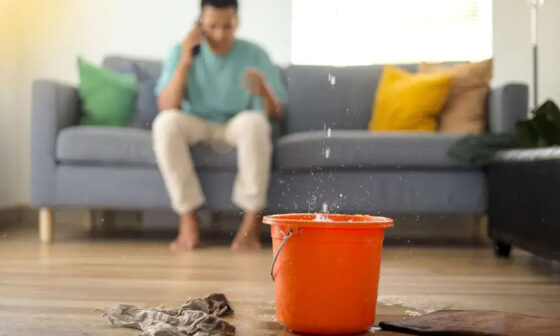
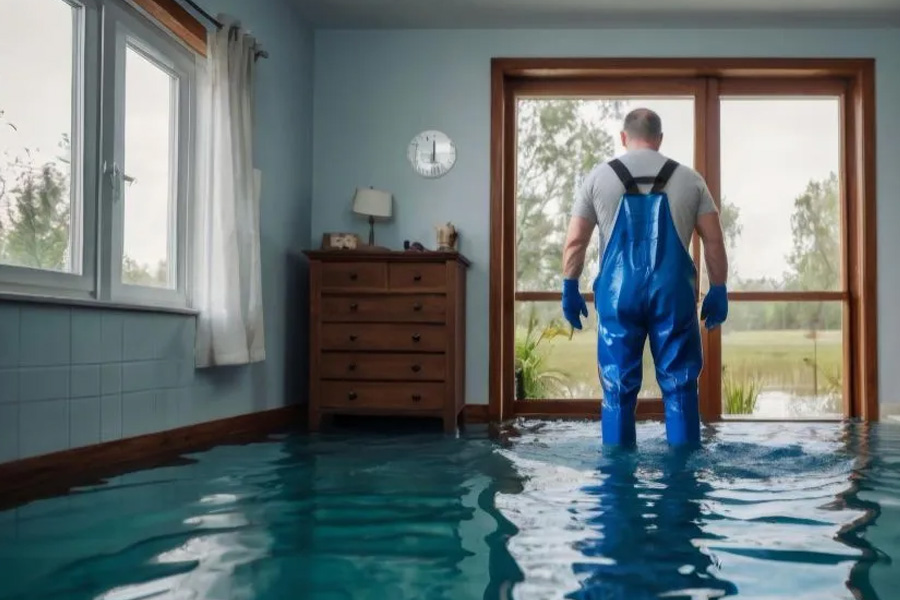
When water floods a home, time moves quicker than blood. The first hours determine the structure’s fate. While panic is common, calm, deliberate action can regain control. The restoration clock starts when you turn off electricity and water.
Maintaining safety while inspecting damage clarifies confusion. Boots and gloves protect against murky water risks. In the early stages, each photo and video is not only insurance evidence but a recovery timeline.
Behind the Surface: Hidden Consequences
Water rarely chooses its first target. It enters dark areas. Slow degradation occurs under tiles, insulation, and wooden beams. Mold spores awaken silently, wiring corrodes, and wetness rolls in like fog.
Understanding these unseen effects makes professional inspection more than a recommendation; it becomes necessity. HVAC systems must be tested for hidden moisture, ducts examined for contamination, and circuits reviewed for safety. Damage that hides deep within the home’s anatomy will often resurface later if ignored, much like a river returning to its course.
Removing Water and Breathing Again
Clearing standing water is not only about pumping liquid—it is about giving the home air once more. Every bucket, every wet vacuum run is part of a rhythm that restores life to silent rooms. Once water withdrawal begins, cross-ventilation becomes the heartbeat of recovery.
Doors and windows let in fresh air. Fans force moisture out. Heavy storms require mechanical pumps and high-capacity vacuums. Homeowners notice order restoring at this point. Renewal awaits every puddle removed.
Drying: The Art of Patience
Drying a flooded home feels like waiting for an old wound to heal. Commercial dehumidifiers and air movers hum continuously. Moisture meters probe deep into the walls, floors, and ceilings, ensuring that hidden dampness has nowhere left to hide.
Surface dryness often deceives the eye. Wood framing may still hold water at its core, silent and dangerous. True restoration requires patience—rushing through this stage can invite mold, warped floors, and weakened foundations. Professionals track humidity levels and adjust airflow to maintain balance between speed and safety.
Sanitising and Protecting Health
Hidden risks linger after water disappears. Microbial growth, smells, and residue weigh down air. Cleaning up after water occurrences protects biology. Household restoration disinfectants destroy microorganisms and remove odors.
Mold prevention begins shortly after drying. Wetness can cause fungal development in two days. Cleaning HVAC systems, purifying air, and changing dirty filters reduce these dangers. Freshening the home goes beyond comfort—it makes it liveable.
Assessing Structural and Material Loss
Once damp debris is removed, assessment begins. Strength of every wall and beam is questioned. Water damage can ruin flooring, drywall, and insulation. Remove them to prevent mold and bacterial growth.
Damage inspection often extends to framing and subflooring. Instruments identify moisture that eyes cannot detect. This phase unveils what must be rebuilt. Engineers and licensed contractors evaluate whether the skeleton of the home still stands firm. Through these examinations, precision replaces guesswork.
The Rebuilding Stage
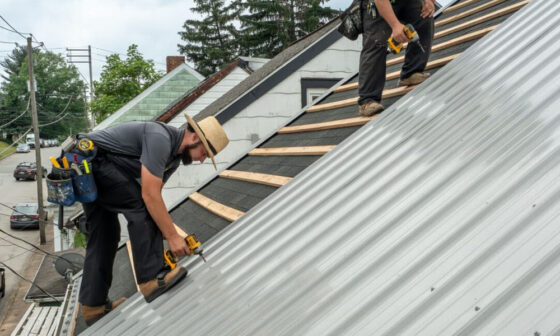
Emergency repair becomes craftsmanship with a clean, steady atmosphere. New drywall, flooring, and fixtures are installed. Wall paint returns like color to recovery. Electrical lines are inspected for corrosion or failure before electricity returns.
Restoration of HVAC systems is vital. Airflow efficiency is affected by moisture, and contaminated filters lower indoor quality. Professional maintenance and calibration restore heating and cooling. The house becomes stronger with every nail, switch, and vent.
Reinventing Indoor Air Quality
Flood-repaired homes demand clean, balanced air. Post-restoration maintenance includes filter changes, duct disinfection, and humidity monitoring. Portable air purifiers collect particulates stirred up during repairs when permanent systems fail.
Long-term comfort is maintained by humidity control. Properly designed dehumidifiers and ventilation systems help households prevent mold growth. The air becomes soothing and gives residents a sense of stability.
Navigating the Insurance Maze
Repairs and paperwork are part of recovery. Insurance negotiations are easier with detailed documentation. Every photo, assessment note, and receipt supports your claim. Clear communication with adjusters speeds coverage and evaluation.
Many policies include clauses related to professional inspections and mitigation actions. Submitting verified proof of HVAC and electrical servicing can demonstrate compliance. In this bureaucratic stage, precision and record keeping pay real dividends, often affecting thousands in reimbursed costs.
Guarding the Home Against Tomorrow’s Threats
When prevention begins, recovery ends. Installation of leak detectors, moisture sensors, and automatic shut-off valves creates silent home guardians. Routine roof, gutter, and plumbing inspections warn of problems.
Landscape changes like soil grading and drainage keep water away from foundations. Vigilance builds resilience. A flood-damaged home might become a storm-prevention stronghold.
FAQ
What should be my immediate response to sudden water intrusion?
Turn off electricity and the main water supply, then assess safety before entering affected areas. Document the scene through photos and videos to help with insurance and professional assessments.
How long does it take for a home to fully dry after flooding?
Drying duration varies according to severity. Minor exposure may dry in two to three days, while severe flooding can demand over a week with continuous equipment and monitoring.
Can I disinfect my home myself after water damage?
Limited surface cleaning is possible, but deep disinfection should involve verified antimicrobial products and possibly professional service, especially when mold or sewage exposure is suspected.
Should HVAC systems be replaced after major water damage?
Professional inspection determines component restoration or replacement. Duct or electrical system moisture may necessitate partial reconstruction.
How can I ensure mold won’t return after restoration?
Regular humidity monitoring, effective ventilation, and periodic filter changes help sustain dry conditions. Immediate repair of small leaks prevents renewed growth.
Are there technologies to alert homeowners to new leaks early?
Yes, modern detection systems link to smart applications, sending alerts when moisture changes beyond set thresholds. They help stop leaks before they escalate into another crisis.