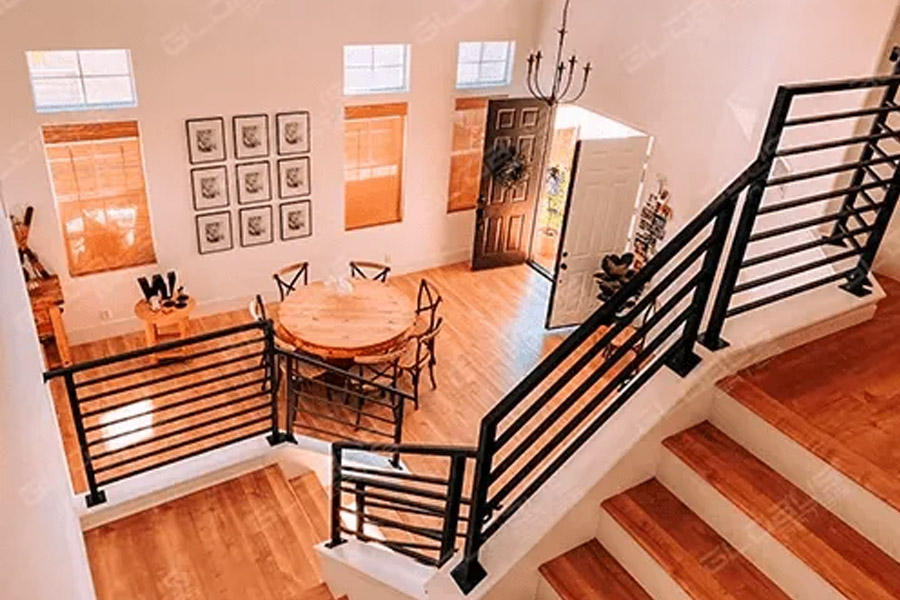
Expanding the Role of Hand Railings in Urban Design
Like ocean waves, Los Angeles architecture rises and falls. From steep hillside houses to modern business complexes, hand rails quietly protect structure, movement, and design expression. Hand rails still prevent falls and aid mobility, but modern ones combine functionality with unique design. The new generation of Los Angeles contractors views each installation as an architectural statement.
A good railing leads the body and complements the environment. It blends form and function with every curve. Hand railings show homeowners’ safety and creativity in a city that mixes classic and modern styles.
Integrating Architecture, Safety, and User Comfort
Hand railing installation in Los Angeles requires far more than technical precision. It demands an understanding of the human experience within each space. For homeowners, this means a structure that feels secure beneath the hand and aligns with daily habits. For commercial property owners, it represents responsibility, compliance, and brand image.
A good contractor considers traffic, visibility, weather, and material resiliency. Every bracket, anchor, and weld boosts confidence. A well-installed hand rail shows caring for users beyond stability. Safety becomes art.
Custom Fabrication and Design Versatility
Los Angeles builders increasingly rely on custom metal fabrication to achieve distinctive railing designs. Each project calls for a unique balance of proportion, geometry, and surface finish. Powder-coated steel and stainless steel remain favorites due to their longevity and adaptability to California’s coastal and inland climates.
Some homeowners choose minimalist horizontal lines suited to mid-century modern spaces. Others lean toward ornamental iron patterns reflective of historical neighborhoods such as Hancock Park or Pasadena. In commercial environments, brushed stainless steel paired with tempered glass brings lightness and transparency to staircases or open lobbies. Every finish tells a visual story shaped by light, touch, and material balance.
Navigating Local Building Codes with Expertise
Hand rail construction in Los Angeles unfolds within strict regulatory boundaries. The codes do more than dictate measurements. They define the threshold between function and safety assurance. Adhering to California Building Code ensures installations maintain reliable performance during inspection and throughout their life span.
A professional contractor must interpret these codes with confidence. Beyond height requirements and spacing limits, they must understand how topography, occupancy type, and property age influence compliance. The result is not only a passing inspection but a structurally sound element designed to endure the region’s heat, seismic activity, and varying terrain.
The Distinction Between Residential and Commercial Hand Rail Systems
Residential hand railing tends to emphasize beauty, comfort, and integration with interior design. Indoor stair rails often feature smooth contours and warm finishes that invite the hand without disrupting visual flow. Outdoor applications prioritize corrosion resistance and stability on decks or porches.
Commercial systems must meet tighter ADA standards and carry more weight. Accessibility measurements, extensions, and wall clearances must be accurate. Contractors work with architects, structural engineers, and city inspectors to meet code and brand standards. Creativity and measurement become choreographed.
Material Evolution and Longevity
Los Angeles hand railing materials evolve. Modern coatings protect metal from salty coastal air by reducing oxidation and fading. Lightweight aluminum railings, traditionally reserved for industrial settings, are now used in home designs. The timeless attractiveness and corrosion resistance of stainless steel keep it in charge.
Precision goes beyond metal selection. Sealing joints, drainage design, and hidden fasteners prevent rail moisture intrusion. A skilled contractor incorporates these preventative measures into system design from the start to ensure decades of weather resistance.
Sustainability Through Quality Construction
Sustainability is now a building requirement in California. Hand rail builders save waste and use recyclable materials. Longer lifespans reduce replacements and environmental impact. In design-preservation neighborhoods, maintaining structural quality is stewardship.
A good railing is durable and material-friendly. Property owners promote a constructed environment that minimizes resource consumption and maximizes long-term reliability by choosing contractors who follow best fabrication and installation techniques.
The Human Experience Behind Every Installation
A story of trust is behind every railing. Families relax knowing kids can climb stairs safely. Customers easily navigating ramps gives business owners peace of mind. Seniors walk confidently on paths that respect their pace. These human moments reveal metal and welds’ deeper purpose.
Each curve and bracket shapes space use. A utilitarian object becomes an extension of architecture’s rhythm with the right proportion and strength. Experienced contractors know this psychological aspect. They build confidence and structure.
Consultation, Collaboration, and Project Planning
Los Angeles projects start with thorough site evaluations. Distances, structural supports, and substrate conditions are measured by contractors. Before manufacture, they check permits and accessibility criteria. Early designer-builder-client coordination reduces last-minute complications.
Once fabrication begins, timeline control is critical. Precision cutting, welding, and surface treatment require regulated circumstances and skill. Each system is inspected after installation for anchoring stability and code compliance. The procedure may seem complex, but it reflects sculpture’s balance between safety and design.
Maintenance and Performance Over Time
Even strong materials require occasional care. Property owners can extend railing life through periodic cleaning, checking for loose fasteners, and ensuring nearby drainage remains clear. Routine maintenance protects finishes and prevents corrosion from gaining ground.
High-quality installations rarely need major repairs. They last decades with minor surface refinishing and fastener replacement when done right. Contractors with ongoing service agreements improve product reliability, letting homeowners focus on aesthetics rather than structure.
Choosing the Right Contractor for Los Angeles Conditions
A reliable hand rail contractor knows local climate, soil, and design regulations. They securely anchor stucco exteriors, concrete stairways, and composite decking. Their skill provides beauty and performance.
A contractor’s past work and communication style reflect their problem-solving method. Clean welds, matched mounting points, and uniform finishes suggest durable craftsmanship. These small nuances set professional work apart in a visual-driven city.
Innovation in Modern Fabrication Techniques
Technological progress continues to reshape railing design. Computer-aided drafting and laser-cut processes allow millimeter-precise patterns previously impossible in traditional workshops. Powder coating techniques produce polychromatic results ranging from matte black to bronze or pearl white. Contractors adopting advanced equipment can customize at scale while maintaining tight quality standards.
Such innovations reduce installation time and improve shaping accuracy. They also expand aesthetic possibilities, enabling railings to blend seamlessly into both new construction and historic restorations. The result is a city where safety infrastructure becomes another canvas for invention.
FAQ
What materials work best for coastal Los Angeles homes?
Stainless steel and powder-coated aluminum perform exceptionally near salt air. They resist corrosion while retaining visual appeal under sunlight and moisture exposure.
How long does a typical hand rail installation take?
Most residential projects require one to three weeks, including fabrication time. Commercial installations or custom designs may extend this timeline due to engineering and inspection requirements.
Are permits required for all railing installations?
Permits are typically required when the installation affects structural integrity or involves multi-level surfaces. A licensed contractor can handle permit acquisition and ensure code compliance before commencement.
What maintenance schedule should property owners follow?
Annual inspections suffice for most environments. Clean metal surfaces regularly, tighten visible bolts, and touch up paint or powder coating as needed to prevent weathering.
Can contractors match rail designs to existing architecture?
Yes. Skilled fabricators can replicate or complement existing motifs, whether wrought iron scrolls on a historic deck or minimalist lines in a contemporary glass stairway.