Key Takeaways
- Family court hearings address specific issues identified in the court filings or hearing notice.
- Parties may present testimony, documents, and other admissible evidence for the judge to consider.
- Temporary hearings can establish short-term rules while the larger case continues.
- Judges expect respectful conduct, organized information, and attention to the child’s best interests when custody is involved.
- A hearing may end with an immediate ruling, a written order later, or additional steps such as mediation or a future trial date.
A family court hearing can feel intimidating, especially when the issues involve children, housing, support, or the future of a marriage. In Waterloo, Iowa, preparation matters because the judge will make decisions based on the evidence, the applicable law, and the specific requests properly before the court. Speaking with a Ball, Kirk & Holm family law attorney can help a person understand the purpose of an upcoming hearing and prepare for the questions and documents that may matter.
Not every family court hearing looks the same. A hearing may address temporary arrangements while a divorce is pending, child custody and parenting time, child support, enforcement of an existing order, a requested modification, or unresolved issues at trial. Knowing the type of hearing scheduled is the first step toward arriving prepared and focused.
Understand the Purpose of the Hearing
The hearing notice, court order, motion, or petition should state the reason the parties are appearing. For example, one parent may request temporary parenting time, a spouse may seek temporary use of the family home, or either party may ask the court to change an existing support or custody order. The judge generally focuses on the issues properly raised for that hearing, not every disagreement that has occurred during the relationship.
Before the court, review the filed documents carefully. Identify what the other party is asking for, what outcome you want, and the facts that support your position. Iowa family cases can include divorce, legal separation, custody matters involving unmarried parents, support disputes, and requests to modify earlier orders.
What Happens Before Court Begins
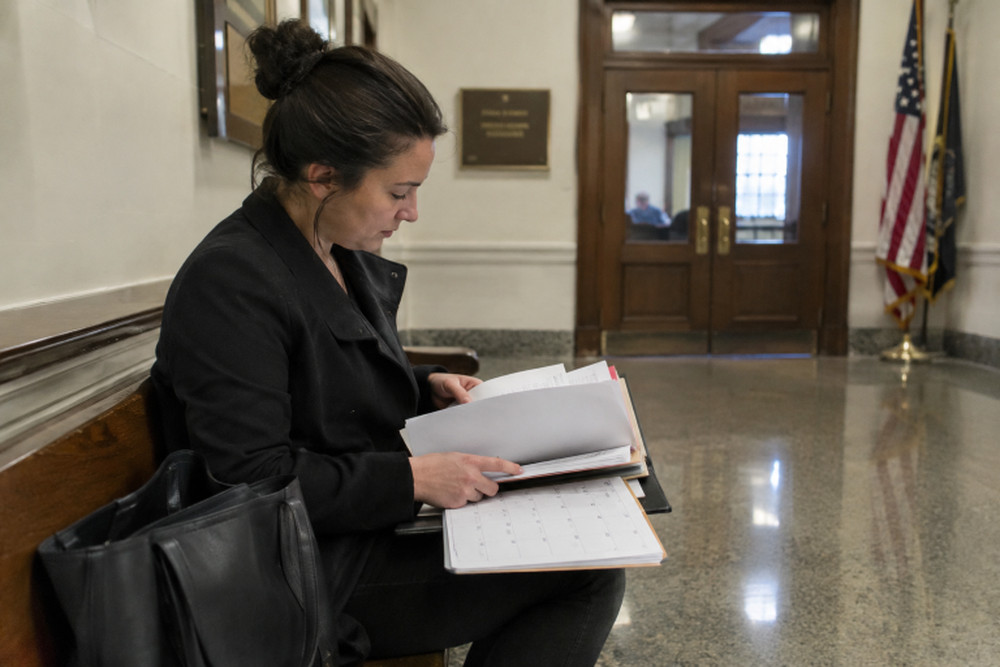
Arrive early enough to allow for parking, security, and finding the correct courtroom. Bring copies of documents you may need, including court orders, financial information, communications, calendars, school records, medical records, or other materials connected to the issue before the judge. The Iowa Judicial Branch’s guidance for people representing themselves advises parties to be on time, determine what they need to prove or defend, and remember that court staff cannot provide legal advice.
In some cases, the attorneys or self-represented parties may discuss a settlement before the hearing begins. If an agreement is reached, the judge may review it and decide whether to approve it. A reasonable agreement can narrow the dispute, but no one should agree to terms they do not understand to avoid appearing in court.
What Happens Inside the Courtroom
When the case is called, the judge will identify the parties and confirm the matter being heard. Each side may have an opportunity to explain the request and response. In a hearing involving attorneys, counsel usually speak directly to the judge, question witnesses, and make legal arguments. A self-represented person must speak for themselves and should address the judge respectfully.
Hearings are formal proceedings, even when they are brief. Avoid interrupting the judge or the other party. Speak clearly, answer the question asked, and stay focused on relevant facts. Emotional issues are common in family cases, but calm, specific information is generally more useful than accusations or lengthy personal history.
Presenting Evidence and Testimony
Evidence may include sworn testimony, financial affidavits, pay records, photographs, messages, calendars, school information, or medical documentation. Whether a document can be considered depends on the rules of evidence, the purpose of the hearing, and how the material is presented. It is wise to organize records in date order and bring enough copies when required.
If you testify, you will be placed under oath and may be questioned by the other side. Tell the truth, even if an answer is uncomfortable. If you do not know or cannot remember something, say so rather than guessing. A judge may give little weight to unsupported claims, especially where the parties offer conflicting accounts.
Custody and Parenting Issues
When children are involved, the court’s attention is directed toward arrangements that serve their best interests. Practical details matter. The judge may consider school routines, transportation between Waterloo-area homes, each parent’s work schedule, medical needs, communication between parents, and the child’s ability to maintain stable relationships.
A parent seeking a particular schedule should be ready to explain how it works in daily life. A clear proposal addresses exchange times, holidays, school breaks, medical appointments, activities, and methods for sharing important information. Criticizing the other parent is not a substitute for presenting a workable, child-centered plan.
Temporary Orders and Final Hearings
A temporary hearing is not necessarily the final decision in the case. Temporary orders can set rules for custody, parenting time, support, bills, or the use of property while the case proceeds. They provide structure during a period that can otherwise be uncertain, but later evidence or agreements may affect the final order.
A final hearing or trial is generally more comprehensive. The parties may present fuller evidence on unresolved issues, and the judge will enter a final decree or order. Family cases may also involve mediation or other required steps before a final decision, depending on the type of dispute and the court’s directions.
What Happens After the Hearing
The judge may announce a decision from the bench, take the matter under advisement, or ask for a proposed written order. Do not assume that an oral discussion outside the courtroom changes an existing court order. Continue following the current order unless the judge enters a new one or the parties reach an approved agreement.
Read any new order closely. Note deadlines, required exchanges of information, payment dates, parenting schedules, mediation requirements, and future court dates. Keep a copy in a secure place and use a calendar for obligations that affect children, support, or property.
How to Prepare for a Family Court Hearing
- Read the hearing notice, motion, response, and prior court orders.
- Write a short outline of the facts you need the judge to understand.
- Gather documents that directly support those facts.
- Prepare a realistic proposal, not just objections to the other side’s request.
- Dress neatly and plan to arrive early.
- Arrange childcare if possible, unless the court has directed that a child attend.
- Ask local legal counsel about deadlines, required filings, witnesses, and evidence rules.
Common Questions About Family Court Hearings
Will the judge make a decision that day?
Sometimes. In other cases, the judge may issue a written ruling after reviewing the testimony, exhibits, and legal arguments. The timing depends on the hearing and the issues involved.
Can I bring documents or messages?
Relevant records may be important, but they should be properly organized and presented. Ask in advance about filing requirements and whether the other party must receive copies.
What if the other parent does not appear?
Do not assume the hearing will be canceled. Attend as scheduled unless the court tells you otherwise. A party’s absence can have serious consequences, but the judge decides how to proceed.
Final Thoughts
A family court hearing is an opportunity to present relevant facts and request a clear legal outcome. Careful preparation, respectful conduct, and practical solutions are especially important in Waterloo family cases involving children and ongoing co-parenting. Understanding the process can help reduce uncertainty and keep the focus on the issues the court must decide.