Understanding Chronic Facial Redness and Vascular Indications
Many individuals experience persistent facial redness, visible blood vessels, and uneven skin tone. These common dermatological concerns often stem from conditions like rosacea or broader vascular issues. Such skin conditions can significantly impact one’s appearance and self-confidence.
Beyond the cosmetic aspect, chronic facial redness can also lead to discomfort and affect daily life. Finding effective, long-lasting solutions is key to improving both skin health and overall quality of life.
Fortunately, advancements in dermatological technology offer powerful tools to manage these concerns. This article will explore the benefits of advanced laser skin rejuvenation. We will delve into how these innovative treatments work, the specific conditions they address, and what patients can expect. Modern dermatology offers a range of advanced laser and cosmetic treatments designed to visibly reduce redness and improve skin texture. Join us as we uncover the science and practical applications of these cutting-edge therapies.
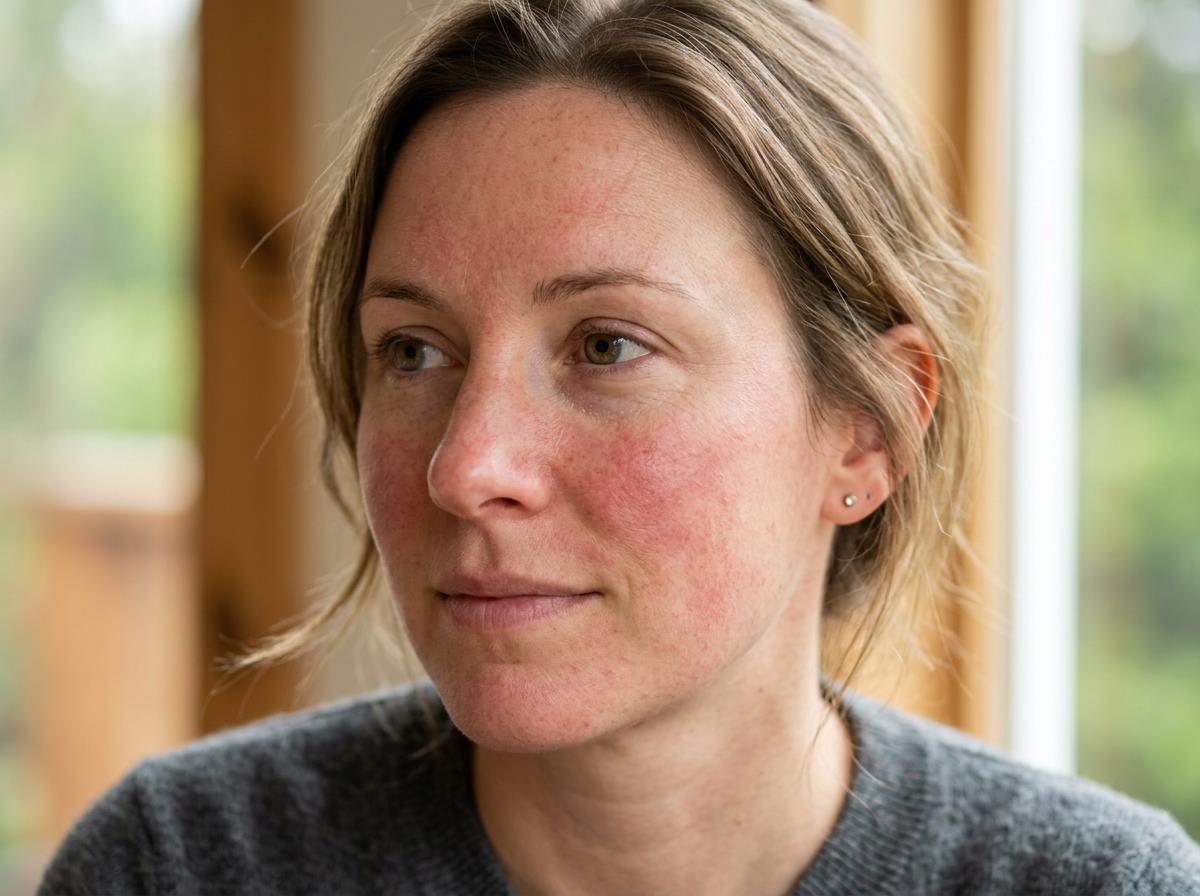
Chronic facial redness is a prevalent dermatological issue that can manifest in various forms, with rosacea being one of the most common underlying conditions. Rosacea is a chronic inflammatory skin disorder primarily affecting the central face, characterized by recurrent flushing, persistent erythema (redness), visible blood vessels (telangiectasias), papules, and pustules. It typically emerges after age 30, often starting with transient redness that eventually becomes more persistent.
Distinguishing rosacea from other skin conditions like acne or dermatitis is crucial for effective management. While acne is characterized by blackheads, whiteheads, and deeper cysts, rosacea lacks comedones, focusing instead on redness and inflammatory bumps. Dermatitis, such as seborrheic dermatitis, often presents with flaky, itchy patches, whereas rosacea’s primary hallmark is persistent facial redness and flushing.
Rosacea is not a singular condition but rather encompasses several subtypes, which can evolve over time:
- Erythematotelangiectatic Rosacea (ETR): Characterized by flushing and persistent central facial redness, often with visible blood vessels.
- Papulopustular Rosacea (PPR): Features persistent redness with bumps (papules) and pimples (pustules), resembling acne.
- Phymatous Rosacea: Involves skin thickening and enlargement, most commonly affecting the nose (rhinophyma), but can also impact the chin, forehead, and ears. This subtype is more frequently observed and tends to be more severe in men.
- Ocular Rosacea: Affects the eyes, causing irritation, dryness, burning, redness, and a gritty sensation. This can precede or accompany facial symptoms, affecting up to 50-75% of rosacea patients.
The underlying causes of rosacea are multifactorial and include neurovascular dysregulation, an overactive innate immune system, genetic predisposition, and environmental triggers. Neurovascular dysregulation refers to abnormalities in the facial blood vessels and nerves, leading to exaggerated flushing responses and persistent redness. Angiogenesis, the formation of new blood vessels, contributes to the visible telangiectasias. Chronic inflammation, driven by factors like increased levels of antimicrobial peptides (e.g., cathelicidin LL-37) and an altered skin microbiome (including Demodex mites), further exacerbates symptoms.
Rosacea affects a significant portion of the global population, with estimates ranging from 1% to 10% worldwide. It is more commonly diagnosed in individuals with fair skin (phototypes I and II), affecting over 10% of Whites, particularly those of Irish and Northern European descent. While more frequently diagnosed in women, it can be more severe in men.
The impact of rosacea extends beyond physical symptoms. Statistics from September 2026 reveal that nearly 90% of rosacea patients reported lowered self-confidence and self-esteem due to their condition. Furthermore, 41% admitted to avoiding public contact or cancelling social engagements, highlighting the profound psychosocial burden. Among those with severe rosacea, nearly 88% stated the disorder adversely affected their professional interactions, with 51% even missing work. These figures underscore the critical need for effective treatments that not only address physical symptoms but also improve patients’ quality of life.
Primary Mechanisms of Advanced Laser Skin Rejuvenation
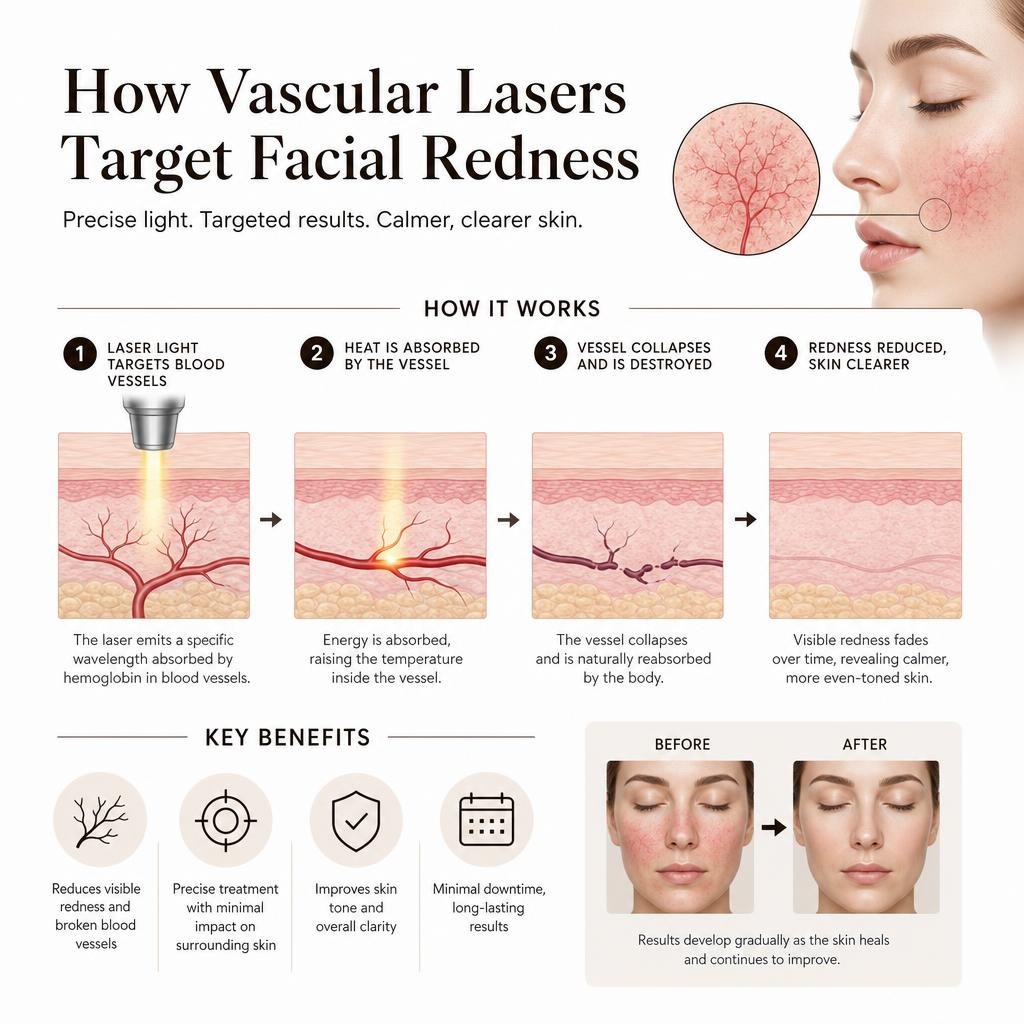
Advanced laser skin rejuvenation techniques offer a targeted approach to managing chronic facial redness and vascular concerns. The cornerstone of these treatments is the principle of selective photothermolysis, a scientific concept that allows specific targets (chromophores) in the skin to be heated and destroyed without damaging surrounding tissue.
In the context of vascular lesions and redness, the primary chromophore is hemoglobin, the protein in red blood cells that gives blood its color. When a laser emits light at a specific wavelength that is highly absorbed by hemoglobin, the energy is preferentially absorbed by the blood vessels. This absorption leads to a rapid increase in temperature within the vessel.
This thermal energy causes thermal coagulation, effectively “welding” the vessel walls shut. The coagulated vessel then collapses and is gradually reabsorbed by the body’s natural processes over several weeks. This selective destruction of unwanted blood vessels leads to a visible reduction in redness and the disappearance of telangiectasias.
Beyond direct vessel targeting, laser energy can also induce a process known as collagen remodeling. The controlled thermal injury in the dermis stimulates fibroblasts, the cells responsible for producing collagen. This stimulation leads to the production of new collagen and elastin fibers, which can improve overall skin texture, elasticity, and firmness. This secondary effect contributes to a more even and youthful complexion, making laser treatments beneficial not just for redness but also for general skin rejuvenation. The precise control over wavelength, pulse duration, and energy fluence allows practitioners to tailor treatments to individual patient needs and skin types, optimizing efficacy while minimizing side effects.
Comparing Laser Modalities and Targeted Wavelengths
Several laser and light-based technologies are effectively utilized for the treatment of vascular lesions and chronic facial redness. Each modality operates on the principle of selective photothermolysis but differs in its wavelength, pulse duration, and delivery system, making them suitable for various indications and skin types.
- Pulsed Dye Laser (PDL): Often considered the gold standard for vascular lesions, PDLs typically emit light at a wavelength of 585 nm or 595 nm. These wavelengths are highly absorbed by oxyhemoglobin, making them exceptionally effective at targeting superficial blood vessels responsible for flushing, diffuse redness, and telangiectasias. PDLs are known for their safety profile and are often equipped with dynamic cooling devices to protect the epidermis.
- Nd:YAG Laser: Operating at a wavelength of 1064 nm, the Nd:YAG laser penetrates deeper into the skin compared to PDLs. This characteristic makes it ideal for treating larger, deeper, or more resistant blood vessels that may not respond to shorter wavelengths. It is also effective for venous lakes and some forms of phymatous changes. Its longer wavelength allows for safer treatment on darker skin phototypes, though careful parameter selection is essential.
- Intense Pulsed Light (IPL): While not a true laser (it emits a broad spectrum of light), IPL devices use filters to deliver specific wavelengths (typically 500-1200 nm) that are absorbed by chromophores like hemoglobin and melanin. IPL is versatile and can effectively treat diffuse redness, telangiectasias, and pigmentation concerns simultaneously. Its broad-spectrum nature requires careful consideration of skin type to avoid adverse effects.
- Potassium Titanyl Phosphate (KTP) Laser: Emitting light at 532 nm, the KTP laser is highly absorbed by hemoglobin and is excellent for treating superficial vascular lesions, particularly fine telangiectasias and diffuse redness. Its shorter wavelength means it is best suited for lighter skin types, as melanin absorption can be a concern in darker complexions.
The choice of modality depends on the specific vascular indication, the depth and size of the vessels, the patient’s skin type, and the presence of other skin concerns. A skilled practitioner will assess these factors to determine the most appropriate laser or light-based treatment plan.
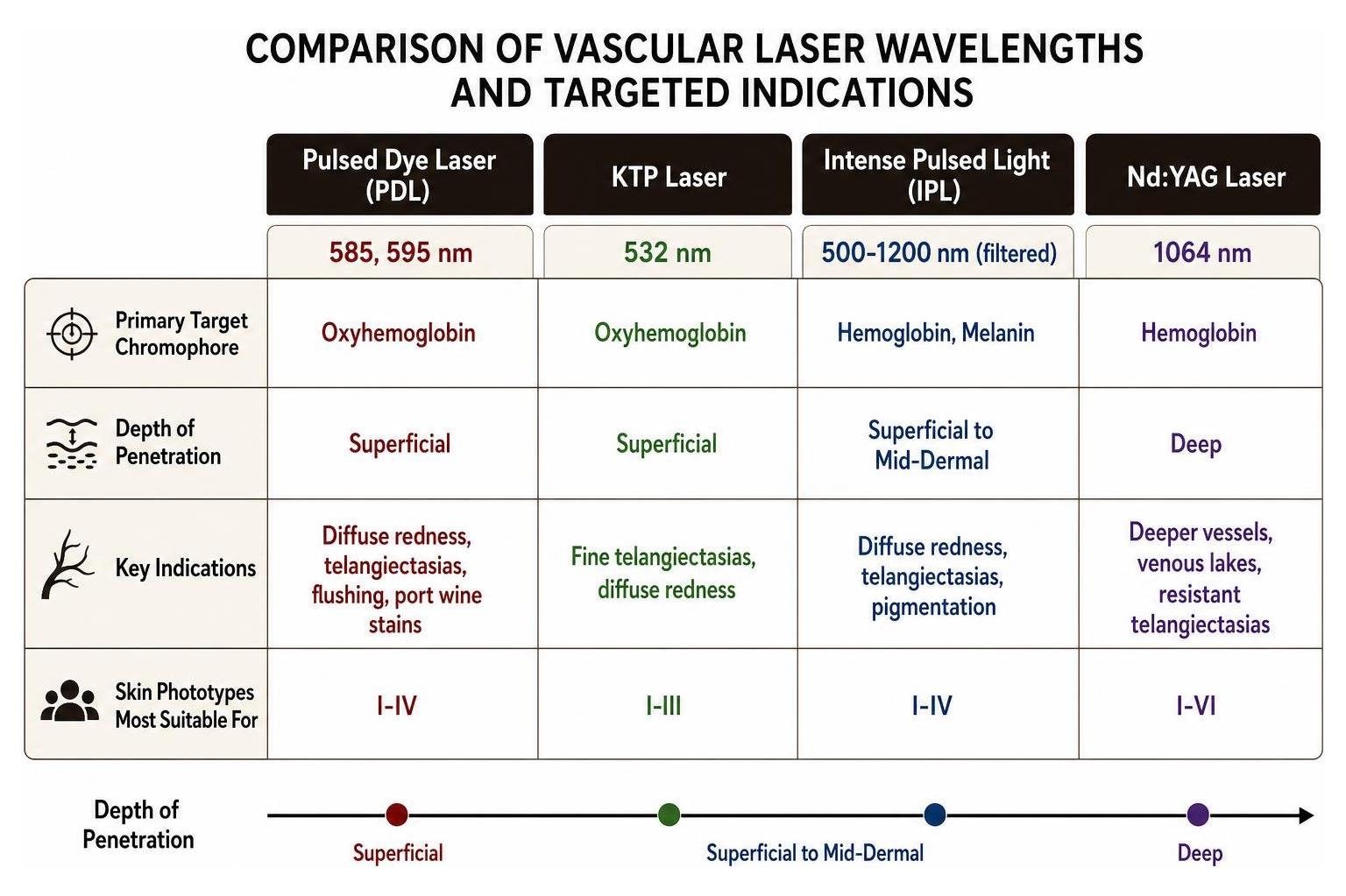
Laser Modality Wavelength (nm) Primary Target Chromophore Depth of Penetration Key Indications Skin Phototypes Most Suitable For Pulsed Dye Laser (PDL) 585, 595 Oxyhemoglobin Superficial Diffuse redness, telangiectasias, flushing, port wine stains I-IV KTP Laser 532 Oxyhemoglobin Superficial Fine telangiectasias, diffuse redness I-III Intense Pulsed Light (IPL) 500-1200 (filtered) Hemoglobin, Melanin Superficial to Mid-Dermal Diffuse redness, telangiectasias, pigmentation I-IV Nd:YAG Laser 1064 Hemoglobin Deep Deeper vessels, venous lakes, resistant telangiectasias I-VI
Key Clinical Benefits of Advanced Laser Skin Rejuvenation
Advanced laser skin rejuvenation offers a multitude of clinical benefits for individuals struggling with chronic facial redness and vascular concerns. These treatments go beyond temporary camouflage, providing long-lasting improvements in skin health and appearance.
One of the most significant benefits is vascular clearance. By precisely targeting and coagulating unwanted blood vessels, lasers can effectively eliminate visible telangiectasias and significantly reduce diffuse redness. This leads to a more uniform and clear complexion, often dramatically improving the aesthetic appearance of rosacea.
The direct result of vascular clearance is a noticeable redness reduction. Patients often report a significant decrease in the persistent erythema associated with conditions like erythematotelangiectatic rosacea. This reduction in baseline redness can also contribute to fewer and less intense flushing episodes, as the underlying vascular reactivity is modulated.
Beyond just reducing redness, these treatments contribute to an overall improvement in skin tone and texture. By addressing the vascular components, the skin appears more even and less inflamed. Furthermore, the collagen remodeling stimulated by some laser wavelengths can lead to smoother, firmer skin, enhancing its overall quality.
While seemingly counterintuitive, advanced laser treatments can also improve microcirculation in healthy tissue by eliminating dysfunctional vessels. By clearing out dilated, stagnant capillaries, the body can establish more efficient blood flow in the treated areas, potentially leading to better nutrient delivery and waste removal, contributing to healthier skin.
Perhaps one of the most encouraging aspects for patients is the potential for long-term remission. While rosacea is a chronic condition with no known cure, effective laser treatments, especially when combined with diligent skincare and trigger avoidance, can lead to prolonged periods of symptom control. Many patients report sustained improvement, reducing the frequency and severity of flare-ups and significantly enhancing their quality of life. This sustained improvement can alleviate the psychosocial burden, helping patients regain self-confidence and participate more fully in social and professional activities.
Treating Persistent Erythema and Telangiectasias
Persistent erythema, or chronic facial redness, and telangiectasias are hallmark features of rosacea, particularly the erythematotelangiectatic subtype. These symptoms arise from capillary dilation, where tiny blood vessels near the skin’s surface become enlarged and more numerous, leading to a visibly red complexion. Facial flushing, often triggered by various factors, further exacerbates this redness, making the skin appear consistently inflamed or blotchy.
Advanced laser and light therapies are highly effective in addressing these specific manifestations. Lasers designed to target hemoglobin, such as Pulsed Dye Lasers (PDL) and KTP lasers, deliver precise energy bursts that are absorbed by the blood within these dilated vessels. This absorption converts light energy into heat, causing the vessel walls to coagulate and collapse without damaging the surrounding skin. Over time, these treated vessels are naturally cleared away by the body, leading to a significant reduction in both diffuse redness and the appearance of individual visible veins.
For patients seeking comprehensive care for these symptoms, understanding the spectrum of available interventions is key. Many clinics specializing in skin health offer a range of advanced laser and cosmetic treatments that can be tailored to the specific type and severity of persistent erythema and telangiectasias. These treatments are instrumental in achieving effective symptom control, providing patients with a clearer, more even skin tone and reducing the frequency and intensity of flushing episodes. The precision of modern laser technology allows for targeted treatment, minimizing downtime and maximizing results for those struggling with the visible signs of rosacea.
Addressing Phymatous Tissue Changes and Texture Irregularities
Beyond redness and visible vessels, some individuals with rosacea, particularly men, may develop phymatous changes, characterized by skin thickening and irregular surface texture. The most well-known manifestation is rhinophyma, where the nose becomes enlarged, bumpy, and discolored due to hyperplasia of sebaceous glands and connective tissue. These changes can significantly alter facial contours and cause considerable distress.
Advanced laser technologies offer effective solutions for remodeling and reducing these tissue irregularities. Ablative lasers, such as CO2 or Er:YAG lasers, are particularly effective for phymatous rosacea. These lasers work by precisely vaporizing thin layers of skin tissue, allowing the practitioner to meticulously reshape and debulk thickened areas. By removing excess tissue and smoothing the skin’s surface, these lasers can dramatically improve the appearance of rhinophyma and other phymatous changes. The controlled thermal effect also stimulates collagen production, contributing to dermal remodeling and improved skin architecture.
Fractional resurfacing lasers (both ablative and non-ablative) can also be employed to address texture irregularities, enlarged pores, and sebaceous hyperplasia often seen with rosacea. These lasers create microscopic treatment zones in the skin, leaving surrounding tissue intact, which promotes faster healing. This fractional approach stimulates collagen and elastin production, leading to smoother skin texture, reduced pore size, and a more refined appearance. The combination of tissue removal and dermal remodeling helps to restore a more natural skin contour and texture, significantly enhancing the patient’s confidence and overall facial harmony.
Candidate Evaluation and Safety Across Diverse Skin Phototypes
The successful and safe application of advanced laser skin rejuvenation hinges on a thorough candidate evaluation, especially considering the diverse range of skin phototypes. The Fitzpatrick scale, which classifies skin based on its reaction to sun exposure, is a critical tool in this assessment. Individuals with darker skin tones (Fitzpatrick types IV-VI) have higher melanin content, which can absorb laser energy intended for vascular targets. This melanin absorption can lead to unwanted side effects such as post-inflammatory hyperpigmentation (PIH), blistering, or even scarring if treatment parameters are not carefully adjusted.
For patients with higher Fitzpatrick skin types, practitioners must employ specific strategies to ensure safety and efficacy. This includes selecting longer wavelengths (e.g., Nd:YAG 1064 nm, which has lower melanin absorption), using longer pulse durations to allow heat to dissipate from the epidermis, and employing lower energy fluences (power settings). Test spots are often performed in an inconspicuous area prior to a full treatment session to assess the skin’s reaction and determine optimal parameters.
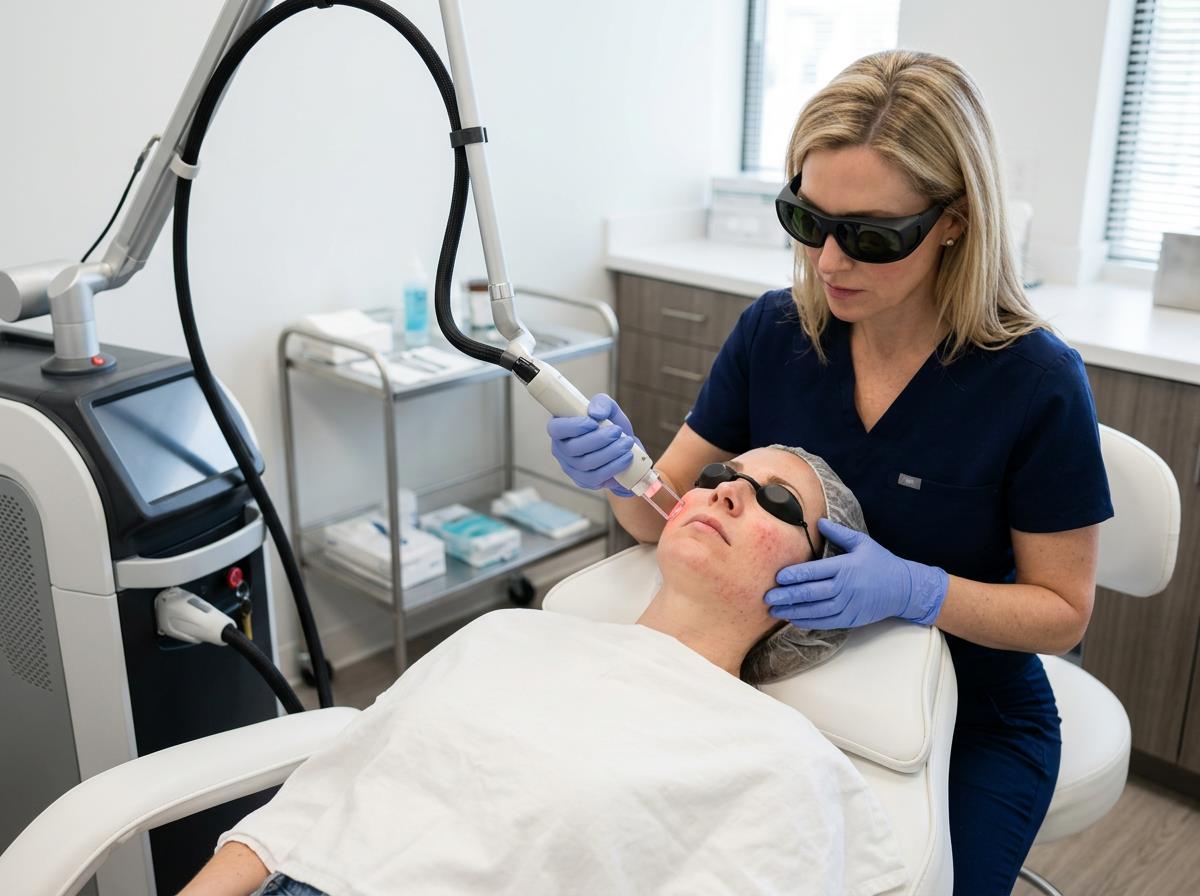
Ocular protection is paramount during any facial laser procedure. Patients wear specialized opaque eye shields to safeguard their eyes from laser light, as accidental exposure could cause serious damage. The practitioner also wears protective eyewear.
Beyond skin phototype, a comprehensive evaluation includes:
- Medical history: Including any history of keloid scarring, photosensitivity, or medications that increase photosensitivity.
- Skin condition assessment: Identifying specific rosacea subtypes, severity of redness, presence of telangiectasias, and any phymatous changes.
- Trigger identification: Understanding the patient’s personal rosacea triggers to incorporate lifestyle modifications into the overall management plan.
- Patient expectations: Ensuring realistic expectations regarding outcomes, number of sessions, and potential downtime.
By meticulously evaluating each candidate and customizing treatment parameters, practitioners can maximize the benefits of advanced laser skin rejuvenation while minimizing risks across all skin phototypes.
Best Practices for Advanced Laser Skin Rejuvenation Protocols
Adhering to best practices is essential for optimizing the efficacy and safety of advanced laser skin rejuvenation treatments. These protocols ensure that each patient receives a tailored approach that respects their individual skin characteristics and treatment goals.
One fundamental practice is the use of test spots. Before treating a larger area, a small, inconspicuous patch of skin is treated with the proposed laser parameters. This allows the practitioner to observe the skin’s immediate and delayed reaction (typically over several days to weeks) and fine-tune the energy fluence, pulse duration, and spot size for the main treatment. This step is particularly critical for patients with darker skin tones or those with a history of sensitive skin.
Epidermal cooling is another vital component, especially with vascular lasers. Devices often incorporate contact cooling, cryogen spray, or air cooling systems to protect the outermost layer of the skin (epidermis) from excessive heat. This cooling helps prevent epidermal damage, reduces discomfort during the procedure, and minimizes the risk of side effects like blistering or post-inflammatory hyperpigmentation, all while allowing sufficient energy to reach the target chromophore in the deeper vessels.
Precise control over energy fluence (the amount of energy delivered per unit area) is paramount. The practitioner carefully selects the appropriate fluence based on the target chromophore, vessel size and depth, skin phototype, and the specific laser modality being used. Too low a fluence may result in ineffective treatment, while too high a fluence can lead to adverse effects.
Finally, parameter customization is the overarching principle. No two patients are exactly alike, and their rosacea or vascular concerns will vary. This necessitates a personalized approach where the practitioner adjusts all relevant laser parameters—wavelength, pulse duration, spot size, fluence, and cooling—to match the unique characteristics of the patient’s skin and the specific lesions being treated. This meticulous attention to detail ensures optimal results and a safer treatment experience.
Integrating Procedural Treatments with Comprehensive Skincare
While advanced laser skin rejuvenation offers powerful solutions for chronic facial redness and vascular issues, its long-term success is significantly enhanced when integrated into a comprehensive skincare regimen. Procedural treatments address the visible symptoms, but daily skincare practices and lifestyle adjustments are crucial for maintaining results, preventing new flare-ups, and supporting overall skin health.
A cornerstone of rosacea management, both before and after laser treatments, is trigger management. Patients are encouraged to identify and avoid personal triggers that exacerbate their redness and flushing. Common triggers include sun exposure, extreme temperatures (hot or cold), spicy foods, alcohol, hot beverages, emotional stress, and certain cosmetic products. Keeping a diary can help pinpoint individual culprits.
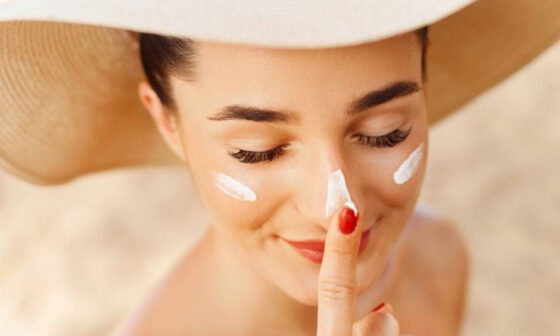
Broad-spectrum sunscreen with an SPF of 30 or higher is non-negotiable. UV radiation is a major trigger for rosacea flare-ups and can also contribute to the formation of new telangiectasias. Mineral-based sunscreens containing zinc oxide or titanium dioxide are often preferred for sensitive, rosacea-prone skin due to their gentle nature and broad-spectrum protection.
Barrier restoration is another critical aspect. Rosacea-prone skin often has a compromised skin barrier, making it more susceptible to irritation and transepidermal water loss. Using gentle, hydrating cleansers and moisturizers designed for sensitive skin helps to repair and strengthen this barrier, reducing reactivity and improving comfort.
The use of non-irritating topicals is also important. Patients should avoid harsh ingredients like alcohol, witch hazel, menthol, and strong exfoliants. Instead, they can incorporate soothing ingredients like niacinamide, ceramides, and hyaluronic acid. Prescription topical medications, such as metronidazole, azelaic acid, or ivermectin, prescribed by a dermatologist, can also play a vital role in managing inflammatory lesions and maintaining remission after laser treatments.
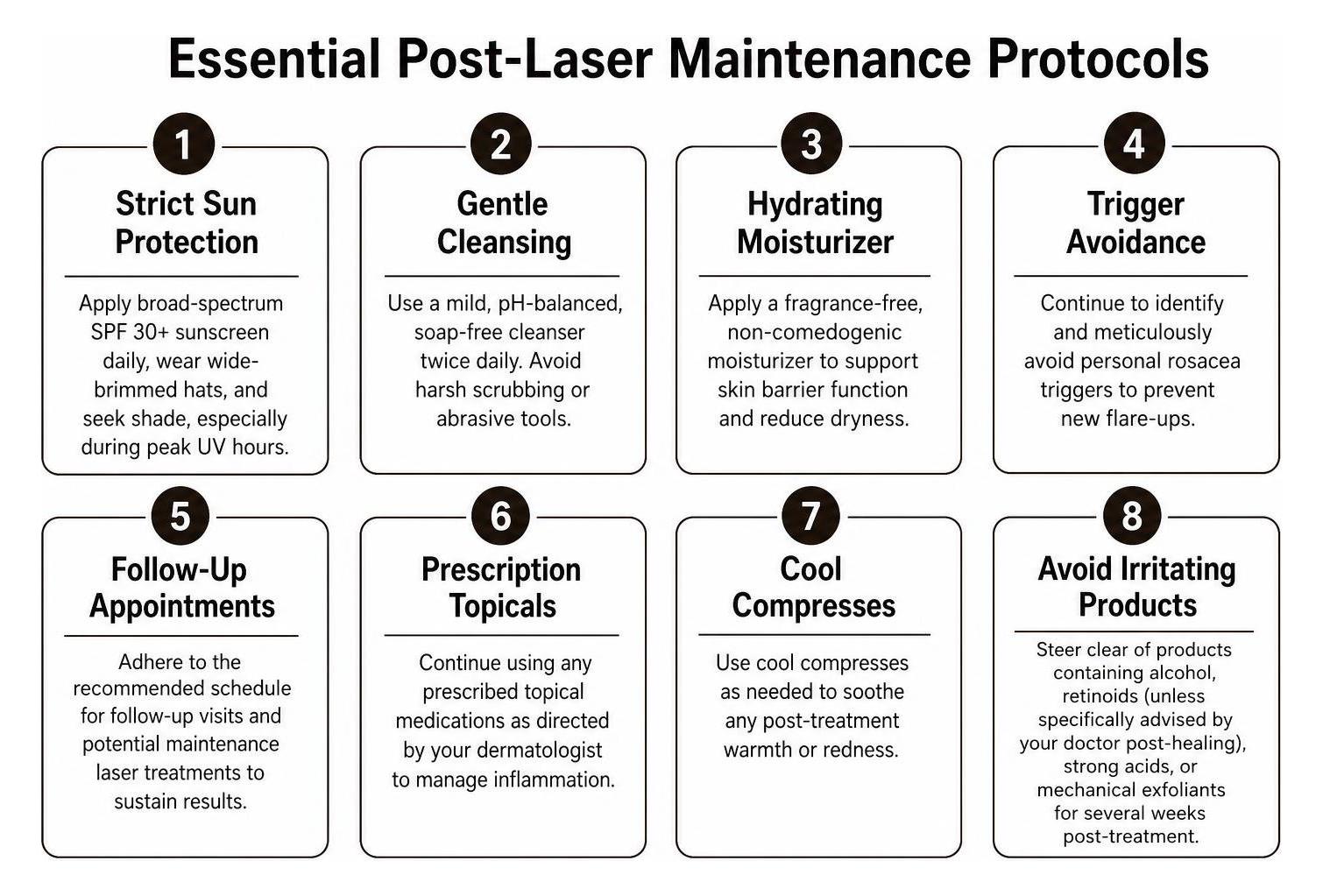
Here is a list of essential post-laser maintenance protocols to optimize and prolong the benefits of advanced laser skin rejuvenation:
- Strict Sun Protection: Apply broad-spectrum SPF 30+ sunscreen daily, wear wide-brimmed hats, and seek shade, especially during peak UV hours.
- Gentle Cleansing: Use a mild, pH-balanced, soap-free cleanser twice daily. Avoid harsh scrubbing or abrasive tools.
- Hydrating Moisturizer: Apply a fragrance-free, non-comedogenic moisturizer to support skin barrier function and reduce dryness.
- Trigger Avoidance: Continue to identify and meticulously avoid personal rosacea triggers to prevent new flare-ups.
- Follow-Up Appointments: Adhere to the recommended schedule for follow-up visits and potential maintenance laser treatments to sustain results.
- Prescription Topicals: Continue using any prescribed topical medications as directed by your dermatologist to manage inflammation.
- Cool Compresses: Use cool compresses as needed to soothe any post-treatment warmth or redness.
- Avoid Irritating Products: Steer clear of products containing alcohol, retinoids (unless specifically advised by your doctor post-healing), strong acids, or mechanical exfoliants for several weeks post-treatment.
Frequently Asked Questions About Vascular Laser Therapy
Patients considering advanced laser skin rejuvenation for chronic facial redness and vascular issues often have common questions regarding the treatment process, safety, and longevity of results.
How Many Laser Sessions Are Typically Needed for Visible Redness Reduction?
The number of laser sessions required for visible redness reduction varies significantly among individuals, depending on the severity of their condition, the specific type of vascular lesion, and their skin’s response to treatment. Generally, a series of treatment intervals is recommended to achieve optimal results. For diffuse redness and telangiectasias, most patients typically require 3 to 5 sessions. Each session is usually spaced 3 to 4 weeks apart to allow the treated vessels to clear and the skin to heal adequately.
The goal is cumulative clearance, meaning that with each successive treatment, more vessels are targeted and eliminated, leading to a progressive reduction in redness. While some improvement may be noticeable after the first session, significant and lasting results are usually observed after completing the full recommended course. The practitioner will assess progress at each appointment and adjust the session frequency and parameters as needed to maximize outcomes.
Is Advanced Laser Skin Rejuvenation Safe for Sensitive and Reactive Skin?
Yes, advanced laser skin rejuvenation can be safe for sensitive and reactive skin, including skin prone to rosacea, when performed by an experienced and qualified practitioner. Modern laser systems are designed with several safety features and protocols specifically to protect delicate skin.
One key aspect is thermal relaxation time, which refers to the time it takes for a target structure (like a blood vessel) to cool down after absorbing laser energy. Advanced lasers can deliver energy in very short pulses that are shorter than the thermal relaxation time of the surrounding skin but longer than that of the target vessel. This allows for selective heating of the vessel while minimizing heat diffusion to the surrounding sensitive tissue.
Furthermore, most vascular lasers incorporate dynamic cooling systems that deliver a burst of cryogen spray or use a cooled sapphire tip immediately before and/or after each laser pulse. This epidermal cooling protects the superficial layers of the skin, significantly reducing the risk of burns, blistering, and discomfort, making the treatment much more tolerable for reactive skin types. While some temporary redness, swelling, or bruising is common after treatment, the risk of significant inflammation or adverse reactions is minimized through careful parameter selection and cooling techniques.
How Long Do the Results of Vascular Laser Therapy Last?
The longevity of results from vascular laser therapy can be quite impressive, but it is important to understand that rosacea is a chronic condition without a permanent cure. While laser treatments can effectively clear existing redness and vessels, they do not prevent the underlying predisposition to develop new ones.
For many patients, the results of a complete course of treatment can last for several years. However, the exact duration depends heavily on several factors, primarily the patient’s adherence to trigger avoidance strategies. If triggers such as sun exposure, alcohol, spicy foods, or extreme temperatures are not managed, new vessel recurrence can occur.
To maintain the benefits, many individuals opt for maintenance treatments. These are typically single sessions performed periodically, perhaps once every 6 to 12 months, to address any newly formed vessels or diffuse redness before they become prominent. This proactive approach helps to sustain the clear complexion achieved with the initial treatment course. Combining laser therapy with a consistent, gentle skincare routine and prescribed topical medications also contributes significantly to prolonging the results and managing the chronic nature of rosacea effectively.
Conclusion
Chronic facial redness and vascular concerns, particularly those stemming from rosacea, can significantly impact an individual’s quality of life. Fortunately, the landscape of dermatological treatments has advanced considerably, offering highly effective solutions through advanced laser skin rejuvenation.
These sophisticated therapies leverage targeted phototherapy to precisely address the underlying vascular components of redness. By employing the principle of selective photothermolysis, lasers can safely and effectively coagulate dilated blood vessels, leading to significant vascular management and a reduction in persistent erythema and telangiectasias. Beyond redness, ablative and fractional lasers provide innovative ways to address more severe phymatous changes and improve skin texture, offering comprehensive solutions for diverse manifestations of rosacea.
The clinical efficacy of these treatments is well-documented, with many patients experiencing dramatic improvements in their skin’s appearance and a notable decrease in the frequency and intensity of flare-ups. When combined with a diligent skincare regimen, trigger avoidance, and, if necessary, maintenance sessions, advanced laser rejuvenation offers the potential for long-term remission and sustained results. By restoring a clearer, more even complexion, these treatments play a pivotal role in boosting patient confidence and significantly enhancing overall well-being.