Choosing a new family vehicle in Orlando, Florida, means looking beyond paint color, screen size, and the first monthly payment. Between school drop-offs, I-4 traffic, weekend trips to the coast, summer heat, and visits from out-of-town relatives, the best choice is one that supports the way your household actually moves. Comparing options with trusted Chrysler dealers can help shoppers narrow the search to vehicles that match their seating, cargo, comfort, and budget needs.
A practical vehicle should feel manageable in neighborhood parking lots, comfortable during long Central Florida drives, and capable of carrying the people and gear that matter most. The right answer may be a two-row SUV, a three-row vehicle, or a minivan with family-friendly access and storage.
Start by listing the trips your next vehicle must handle every week. Include commuting, grocery runs, youth sports, airport pickups, carpools, pets, and family road trips. A vehicle that works for a couple today may feel crowded later if child seats, growing children, or regular passengers become part of the routine.
Smaller households may find that a two-row vehicle supplies the right balance of passenger room and easy parking. Larger families, households that carpool, or Orlando residents who frequently host visitors may benefit from additional seating flexibility.
For shoppers typing CDJR near me into a search, the most useful next step is not picking a favorite model immediately. It is comparing several layouts in person and deciding which one solves the most frequent transportation challenges without adding unnecessary cost.
Why Daily Needs Matter More Than Looks
Appearance can make a strong first impression, but daily usability determines whether a vehicle remains satisfying. Think about who rides in the vehicle, how often seats need to be folded, whether a stroller or sports equipment travels with you, and how easy it is to get everyone inside during a Florida rainstorm. Consider future needs as carefully as present ones.
Set A Complete Vehicle Budget
The purchase price is only one part of ownership. Build a budget that includes the down payment, monthly loan payment, insurance, fuel, registration, taxes, routine maintenance, tires, and potential repairs after warranty coverage ends. Request insurance quotes for the exact vehicles under consideration, because premiums can vary by model and driver profile.
Compare estimated costs over three to five years instead of focusing only on the monthly payment. A vehicle with a higher initial price may still fit the budget better if it uses less fuel, needs less frequent service, or has lower expected insurance costs.
Compare Vehicle Sizes And Layouts
Two-Row Vehicles
Two-row vehicles can be a sensible fit for smaller families, commuters, and drivers who want simpler parking around Orlando shopping areas and school campuses. Many provide enough space for groceries, backpacks, weekend bags, and a stroller. They may become limiting when several child seats, regular carpools, or large vacation loads are involved.
Three-Row Vehicles
Three-row models add flexibility for larger families, grandparents, friends, and team transportation. However, the third row varies considerably. Check whether adults can enter comfortably, whether children can buckle themselves in, and how much cargo room remains when every seating position is occupied.
Minivans And Family-Focused Layouts
Minivans deserve consideration when easy access is a priority. Sliding doors can be convenient in tight parking spaces, while a lower step-in height and flexible seating can make child-seat loading easier. The most practical layout is the one that makes everyday loading, unloading, and passenger access less stressful.
Check Safety Ratings And Recalls
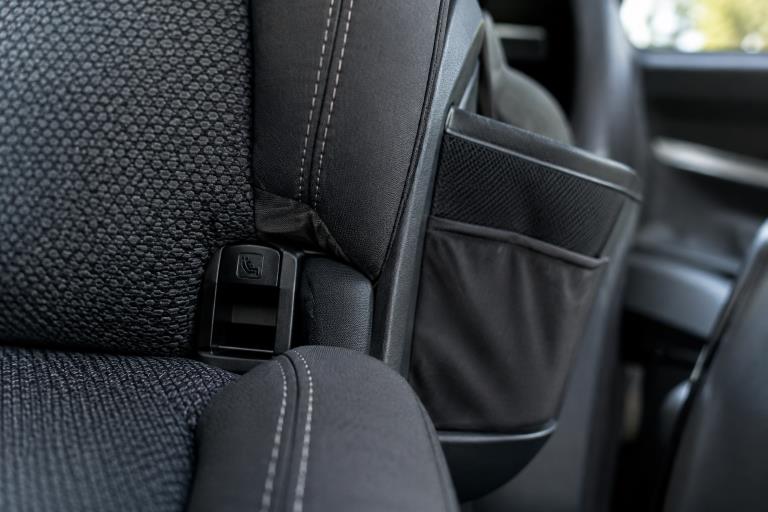
Safety research should apply to the exact model year and trim, since equipment can differ within the same vehicle name. Review official safety ratings, then examine available driver-assistance features, seat-belt design, visibility, and child-seat anchor placement. Driver-assistance systems can support an attentive driver, but they do not replace one.
Before purchasing, check for open recalls using the vehicle identification number when it is available. This is particularly important for used vehicles, but it is still wise to understand recall information and safety equipment when comparing any vehicle.
Test Passenger And Cargo Space
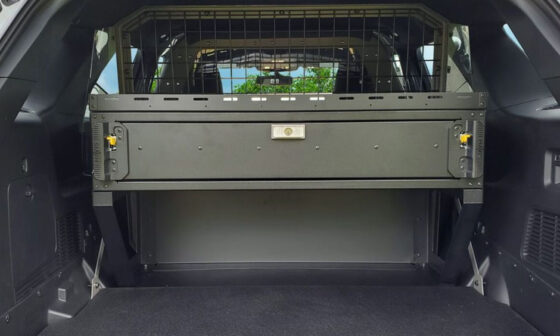
Brochure measurements are helpful, but real-world testing matters more. Bring items that reflect your routine, such as a stroller, cooler, golf bag, sports bag, or large backpack. Open the rear doors, test the reach to the third row, and see whether child seats fit without forcing front-seat passengers too far forward.
Also test how seats fold, slide, recline, and return to place. Measure usable cargo room with every row in use, not only with rear seats folded. A vehicle can look spacious until passengers and everyday gear are loaded at the same time.
Review Fuel, Maintenance, And Insurance Costs
Fuel use becomes especially important for households with long commutes, frequent highway trips, or regular travel across Central Florida. Use the official estimates and cost tools at FuelEconomy.gov to compare powertrains and projected fuel expenses. Consider how city driving, highway use, and annual mileage match your normal routine.
Ask about tire sizes, brake service, recommended maintenance intervals, and the availability of replacement parts. Larger vehicles can offer useful space, but they may also require more fuel and more expensive tires or insurance coverage.
Choose Features That Earn Their Place
Prioritize features that help every week: clear controls, comfortable seats, good outward visibility, phone connectivity, effective air conditioning, and convenient storage. Families may also value rear climate controls, parking cameras, power doors, or multiple charging points. Avoid paying heavily for options that are unlikely to be used after the first few weeks of ownership.
Make The Test Drive Count
- Drive on city streets, highway lanes, and uneven pavement when possible.
- Check visibility at intersections and while parking.
- Listen for wind, tire, and road noise.
- Test passenger entry, exit, and rear-seat access.
- Connect a phone and try the controls you will use most.
- Load everyday gear into the cargo area.
- Bring the passengers who will use the vehicle most often.
Use A Simple Buying Checklist
- How many people ride regularly?
- How much cargo space is needed each week?
- Will current child seats fit comfortably?
- What driving conditions are most common?
- What is the full monthly ownership cost?
- Which safety ratings and recalls apply?
- Which features are truly essential?
- Does the vehicle remain comfortable after a complete test drive?
Final Thoughts
The best new family vehicle for Orlando, Florida, is not automatically the largest, newest, or most expensive option. It is the one that protects passengers, handles local routines, carries needed gear, and remains affordable to own. Comparing safety, space, comfort, fuel use, and long-term costs creates a more confident decision and a better fit for the miles ahead.