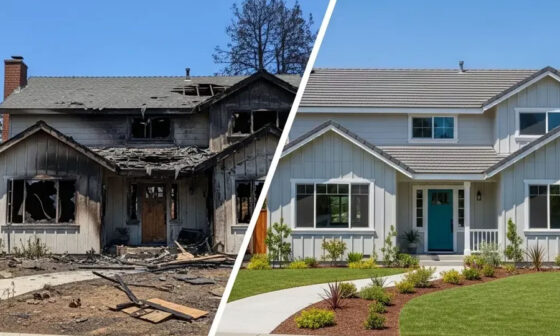
Listing photos can trick your eyes. Crisp lighting, fresh wall paint, and staged furniture make any home look like a dream. Real estate success comes from looking deeper. You must check frame parts, financial returns, and street trends before signing papers. Smart buyers build wealth by checking details that standard buyers overlook.
Beyond Pretty Staging And Fresh Paint
Slick photos often hide major foundation flaws and old home systems. Smart buyers ask for clear history reports. They review all papers related to the property condition. You can gather these records early to spot past water leaks or delayed upkeep. Taking time to review property history protects your hard-earned money.
Expert home reviews give you power during price talks. Using top Memphis property investment inspection tips helps you spot red flags early in your search. You will see how local climate affects foundation health, roof life, and drainage patterns. Working with trusted local experts keeps your plan grounded in reality.
Fresh paint smells nice, but it cannot fix wood rot. Sellers sometimes paint over mold or water spots right before listing a house. Examine ceiling edges and baseboards for uneven textures or cover-up jobs.
Digging Into Structural Integrity
A sturdy frame protects your investment. Walk around the foundation to check for deep cracks or ground settling. Check window frames and door jambs to make sure they shut straight without sticking. Small gaps around door frames often mean the foundation shifted.
Roofing repairs cost thousands of dollars when caught too late. Check for curling shingles, rusted flashing, and missing tiles from the ground. Check attic spaces for hidden water stains or poor insulation depth. Damp insulation signals active roof leaks that need quick fixes.
Mechanical systems need careful review:
- Electrical panels should meet modern capacity standards without outdated wiring.
- Water heaters need clear manufacturing dates to track remaining operational life.
- Heating units require regular service logs to verify long-term performance.
- Air conditioning units need clean coils to cool the home efficiently.
Assessing Location And Neighborhood Value
Location drives cash flow in the long run. Drive through neighborhood streets during morning commute hours and late evenings. Observe parking conditions, street lighting quality, and noise levels. Quiet streets attract quality tenants who stay for multiple years.
School districts and local business growth heavily influence rental demand. Strong public perks attract reliable tenants who care for rental homes. Check local development plans to see if new roads or shopping centers are coming nearby. New commercial projects bring job growth and rising rental rates.
Neighborhood stability shows up in simple ways:
- Well-maintained lawns and clean sidewalks signal active neighborhood pride.
- A high percentage of owner-occupied housing links to stable home values.
- Convenient access to major highways improves tenant retention rates.
- Nearby parks and grocery stores boost tenant satisfaction.
Financial Calculations That Matter
Numbers do not lie. This is true when you evaluate rental homes. About 62% of homebuyers now insist on professional inspections before buying. Spend a few hundred dollars on an independent review. This prevents costly repairs after closing. Professional inspection reports give you leverage. You can request seller repair credits.
Calculate your gross rent multiplier before placing an offer. Calculate your cap rate too. Include realistic estimates for vacancy rates. Include property management fees. Include routine maintenance. Budget for unexpected capital expenses. This keeps your personal accounts safe from sudden cash drains.
In Memphis, many investors aim for a certain benchmark. They want properties that provide at least one percent of the buying price in monthly rent. Meeting this benchmark creates steady cash flow after mortgage payments. Solid math turns risky real estate buys into steady wealth builders. This helps your future.
Plumbing And Electrical Deep Dives
Old plumbing lines create major headaches for property owners. Check pipe materials under kitchen sinks and inside basement spaces. Galvanized steel pipes corrode inside as decades pass. This drops water pressure throughout the house. Rust in water pipes leads to leaks inside interior walls.
Test every faucet, drain, and toilet during your walk. Low pressure in multiple bathrooms points to main line blockage or severe pipe rust. Replacing underground sewer lines drains cash reserves fast. Make sure main water shutoff valves work smoothly before making an offer.
Electrical safety demands equal focus. Outdated fuse boxes or knob-and-tube wiring create immediate fire hazards. Insurance companies often refuse coverage for homes with unsafe electrical panels. Budgeting for modern panel upgrades protects both your building and tenant safety.
Roof And Attic Inspection Steps
A solid roof seals your investment against harsh weather. Look at rooflines from across the street to catch sagging ridges. A sagging roofline points to broken rafters or decayed structural wood. Heavy snow or rain loads can break damaged roof supports.
Attic spaces reveal hidden problems that sellers attempt to hide. Look for mold spots on ceiling joists and underside roof decking. Poor attic ventilation traps heat, shortening shingle life and inflating cooling bills. Proper roof vents allow heat to escape during hot summer months.
Check insulation levels to gauge energy performance. Modern standards call for thick insulation layers across attic floors. Missing insulation drives up monthly utility costs, driving away price-sensitive renters. Adding insulation is a quick upgrade that pays for itself fast.
Environmental Factors And Drainage
Water damage causes severe structural decay as years pass. Check exterior grading around the entire home foundation. Ground soil should slope away from exterior walls. This prevents water pooling. Water pooling near foundation walls leads to basement cracks. It leads to wet crawlspaces too.
Crawlspaces deserve extra attention. Excess moisture inside crawlspaces creates wood rot. It creates saggy floors and toxic mold growth. Look for vapor barriers across dirt floors. Check for standing water. Dry crawlspaces keep structural floor joists strong for decades.
Gutters and downspouts must direct rainwater far from home foundations. Downspout extensions keep heavy rain runoff away from basement walls. Simple drainage upgrades prevent costly foundation repairs later. Clear gutters stop water from backing up under roof shingles.
Take Action On Your Property Search
Evaluating real estate takes patience, care, and step-by-step checks. Never let pretty cosmetic updates hide major mechanical or structural flaws. Thorough prep turns everyday buyers into successful real estate investors.
Ready to find your next high-performing real estate deal? Reach out to our expert team today to explore prime opportunities and build lasting wealth!