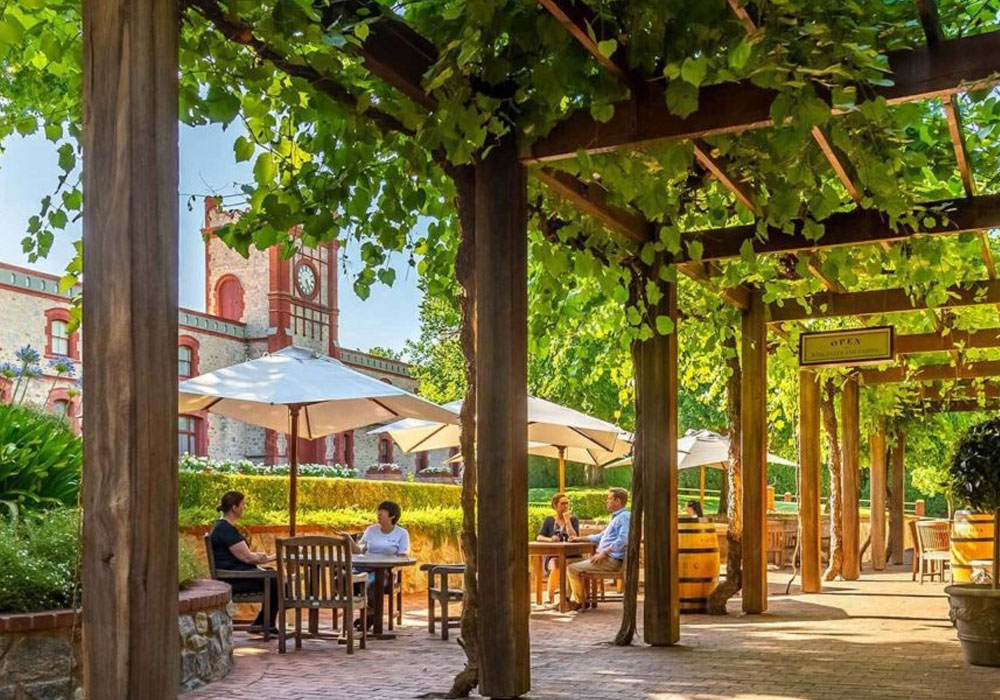
The Barossa Valley is one of Australia’s most renowned wine regions, celebrated globally for its exceptional wine production and historic vineyards. For wine enthusiasts and travellers alike, visiting the wineries in Barossa Valley offers a unique experience blending tradition, innovation, and scenic beauty.
Introduction to Barossa Valley’s Wine Industry
Barossa Valley is situated in South Australia and has a rich viticultural history dating back to the 19th century. The region has developed a reputation for producing some of the finest wines in Australia, particularly Shiraz, which boasts deep flavours and complexity.
Wine growing in this area benefits from a Mediterranean climate with warm summers and cool winters, ideal for grape cultivation. Furthermore, the diverse soils in Barossa contribute to the distinct profiles found in the wines produced.
Key Characteristics of Barossa Valley Wines
The signature wine of Barossa Valley is Shiraz, often described as full-bodied with intense fruit notes and spicy undertones. Other popular varieties include Grenache, Mataro (Mourvèdre), and Riesling.
Barossa Valley wines are known for their richness and depth, making them sought-after by collectors and wine lovers worldwide. The region’s winemakers combine traditional techniques with modern technology to create consistently high-quality wines.
Notable Wineries in Barossa Valley
There are many acclaimed wineries in Barossa Valley, each offering visitors a distinctive taste of the region’s viticultural heritage. Among them, wineries in Barossa Valley such as Yalumba stand out for their commitment to quality and sustainable practices.
Yalumba, one of the oldest family-owned wineries in Australia, has played a significant role in shaping Barossa’s wine culture. It features a comprehensive visitor centre that provides educational tours and tastings, allowing guests to explore the nuances of Barossa wines.
Visiting Barossa Wineries: What to Expect
When visiting wineries in Barossa Valley, guests can expect a combination of wine tasting sessions, vineyard tours, cellar door experiences, and gourmet food pairings. Many estates also offer masterclasses and detailed explanations of the winemaking process.
The welcoming atmosphere at these wineries is complemented by stunning views of the rolling vineyards and historical architecture, contributing to an immersive wine country experience.
Wine Tastings and Events
Barossa wineries frequently host events such as wine festivals, vintage celebrations, and food and wine pairing evenings. These events provide an opportunity for visitors to engage more deeply with Barossa’s wine culture and sample limited edition releases.
Groups interested in personalised experiences can often book private tastings that explore specific wine varieties or regions within Barossa, adding to the educational value of the visit.
Gastronomy and Local Produce
The Barossa Valley is not only known for its wine but also for exceptional local produce that complements the wine tourism experience. Many wineries collaborate with local chefs to offer food and wine pairing menus that highlight regional ingredients, including artisanal cheeses, cured meats, and fresh vegetables.
This integration of food and wine enhances the visitor experience and reflects the region’s dedication to craftsmanship and quality.
Accommodation and Tourism Infrastructure
Barossa Valley benefits from a well-developed tourism infrastructure, with numerous accommodation options ranging from luxury resorts to boutique bed and breakfasts located within or near vineyard lands. Visitors can extend their stay and fully immerse themselves in the region’s wine culture.
Many winery estates offer on-site accommodation, allowing guests to enjoy private tastings and vineyard views at their leisure.
Wine Tourism and Economic Impact
Wine tourism in Barossa Valley significantly contributes to the region’s economy, supporting local businesses and employment. The popularity of the wineries in Barossa Valley attracts both domestic and international tourists, fostering economic growth and cultural exchange.
Moreover, the commitment to sustainable viticulture practices ensures that the industry can thrive while preserving the environment for future generations.
Innovations in Winemaking
While Barossa Valley honours traditional winemaking methods, it also embraces innovation. Techniques such as precision viticulture, organic farming, and the use of advanced fermentation technology are increasingly common across the region’s wineries.
These advancements help to improve wine quality and consistency while reducing environmental impact.
Barossa Valley’s Global Reputation
The Barossa Valley has established a formidable international reputation, with wines regularly earning awards and accolades at prestigious wine competitions. This global recognition underscores the region’s status as a premium wine-producing area.
Wineries in Barossa Valley also export their products worldwide, introducing the distinct Barossa style to a broad audience.
Planning a Trip to Barossa Wineries
When planning a visit to Barossa wineries, it is advisable to book winery tours and tastings in advance, especially during peak seasons. Many wineries are open daily, although some have specific opening hours or require appointments for private visits.
Travel arrangements should consider proximity to key wineries to maximise the number of visits possible during a trip. A designated driver or organised transport service can enhance the experience by allowing visitors to enjoy wine tastings without concern.
Environmental Stewardship in Barossa Wine Production
A growing number of Barossa wineries have adopted environmental stewardship policies to promote sustainable viticulture practices. These initiatives include water conservation, soil management, and biodiversity protection.
Such dedication ensures that the natural beauty and productivity of the Barossa Valley are maintained while continuing to produce world-class wines.
The Role of Family-Owned Wineries
Family-owned wineries play a vital role in preserving Barossa Valley’s winemaking heritage. Many estates have been passed down through generations, maintaining traditional practices and fostering long-term relationships with local communities.
This continuity contributes to the unique identity of Barossa wines and reflects the personal dedication underpinning the region’s wine industry.
Conclusion
The Barossa Valley remains an essential destination for wine lovers seeking authentic and high-quality Australian wines. Exploring the wineries in Barossa Valley reveals a vibrant wine culture steeped in history, innovation, and sustainable practices.
Visitors can enjoy a comprehensive sensory experience, combining world-class wine tastings with gastronomic delights and picturesque landscapes. Whether for casual visitors or serious wine collectors, Barossa Valley offers an enriching and memorable journey through one of Australia’s premier wine regions.