Great corporate events do more than fill a schedule. They give people a reason to connect, celebrate, learn, or feel appreciated. The most effective corporate event entertainment supports that larger purpose, rather than distracting from it with noise, novelty, or an overly complicated production.
Whether you are organizing an awards dinner, client reception, annual meeting, holiday party, or team-building event, entertainment should feel like a natural part of the guest experience. A thoughtful plan considers the audience, venue, timing, technical details, and the moment you want attendees to remember after they leave.
Start With the Event Purpose
Before booking an act, write the event goal in one sentence. Is the gathering designed to recognize employees, introduce a strategy, strengthen client relationships, encourage networking, or let people celebrate together? That answer should guide every entertainment decision.
Decide what guests should feel when the event ends. They may leave energized, valued, connected, inspired, or relaxed. Entertainment that supports those feelings has more impact than a performance selected solely because it looks impressive on paper. Current thinking around meetings also emphasizes thoughtful programming and intentional engagement over unnecessary extravagance.
Entertainment should not be a last-minute addition. When it is considered early, planners can align performers with the run of show, room layout, meal timing, speaker needs, and guest expectations.
Match the Entertainment to Your Audience
The best choice is not always the loudest, trendiest, or most expensive option. It is the option that feels appropriate for the people in the room. Consider age ranges, job roles, cultural backgrounds, comfort levels, accessibility needs, and whether senior leaders, clients, families, or partners will attend.
Questions to Ask About Guests
- Will attendees want to talk and network during the performance?
- Does the group enjoy participation, dancing, or quieter observation?
- Could loud sound, intense lighting, or crowded activity areas make some guests uncomfortable?
- Will the music and performance style feel familiar and welcoming to a broad audience?
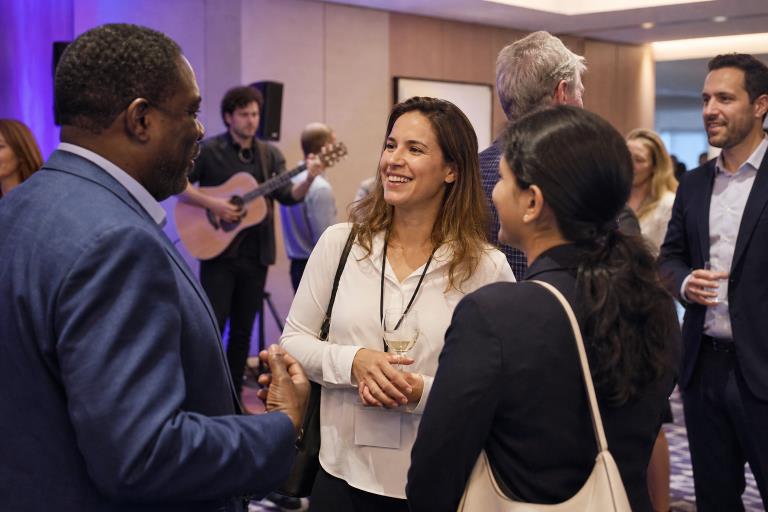
For example, an acoustic duo can create warmth during a networking dinner without interrupting conversation. A full band or DJ may be a better fit after an awards program, when formal remarks are over, and guests are ready for a higher-energy celebration.
Choose the Right Format
Different formats create different moods, space requirements, and levels of interaction. Corporate entertainment can include a broad mix of live performances, themed activities, and guest experiences, so planners should select a format based on the event rather than defaulting to one option.
- Live bands:Strong for celebrations, receptions, and dance-focused events where a shared high-energy moment is the goal.
- DJs:Useful when the playlist needs to adapt quickly across generations and genres, and to changing energy levels.
- Acoustic performers:Well-suited to arrivals, dinners, lounges, and networking periods.
- Specialty acts:Visual performers, comedians, magicians, or cultural acts can create a memorable focal point or conversation starter.
- Interactive experiences:Workshops, games, and participatory performances can work well for teams that enjoy shared activity.
- Hybrid programming:Combining low-key arrival music with a later headline performance gives the event variety without overwhelming guests.
Before deciding, compare the guest count, room layout, technical needs, available floor space, budget, and desired level of participation. A great act in the wrong room can feel disconnected, while a simple format placed well can transform the atmosphere.
Build Entertainment Into the Event Flow
Timing matters as much as talent. Entertainment should make transitions smooth, rather than compete with speeches, awards, meals, or important announcements. Map it into the schedule from the first guest arrival through the final goodbye.
A Practical Event Flow
- Arrival:Use welcoming music that sets the tone without demanding attention.
- Networking:Keep the volume comfortable enough for conversation.
- Meal service:Choose calm background entertainment that supports the pace of dinner.
- Program moments:Pause or reduce entertainment during presentations and recognition.
- Celebration:Raise the energy after the business portion is complete.
- Closing:End with a clear, memorable moment instead of letting the event fade out abruptly.
Music is especially useful for signaling what guests should do next. Softer selections encourage conversation early in the evening. An upbeat set after formal remarks can invite people toward the dance floor, lounge area, or final activity without a constant stream of announcements.
Plan Production and Accessibility
Even an excellent performer can struggle with poor sound coverage, blocked sightlines, limited power access, or an awkward stage location. Hold a short production call with the venue, entertainment provider, and event lead before finalizing the plan.
- Confirm stage size, performer spacing, power supply, cable routes, and lighting.
- Review venue sound limits, microphone needs, soundcheck times, and load-in rules.
- Plan for weather, backup power, or connectivity issues at outdoor and hybrid events.
- Provide seating away from speakers, clear routes around activity areas, and, where possible, quiet spaces.
- Use captions or visual support for spoken content when appropriate, and avoid pressuring guests to participate without warning.
Create a Complete Budget
Do not judge entertainment by the performer’s fee alone. A complete budget may include audio, lighting, staging, travel, lodging, venue labor, insurance, meals, overtime, permits, rehearsal time, and contingency funds.
When comparing proposals, confirm what is included, how long the performance lasts, who provides the equipment, what the cancellation terms are, and who will handle day-of communication. Clear expectations protect both the event experience and the budget.
Measure Engagement After the Event
Success is not limited to one attendance number. Review whether guests stayed through key moments, participated naturally, made connections, and felt the event delivered on its purpose. Send a short survey within a few days, while memories are still fresh.
Ask specific questions about pacing, atmosphere, entertainment, networking value, and overall comfort. Combine that feedback with the planning team’s observations to improve the next event.
Corporate Event Entertainment Planning Checklist
- Write the event goal and desired guest takeaway.
- Describe the audience and their likely preferences.
- Select a main entertainment format and supporting music.
- Place entertainment at intentional points in the schedule.
- Confirm production, venue, and accessibility requirements.
- Compare complete proposals, not performer fees alone.
- Set simple measures for engagement and follow-up feedback.
Common Questions About Corporate Event Entertainment
Should entertainment run throughout the entire event?
Usually, no. Constant entertainment can become tiring and may interfere with conversation. Short, well-timed moments often feel more valuable and leave stronger memories.
Is live music better than a DJ?
Neither is automatically better. Choose based on the audience, venue, budget, desired music range, and the energy you want at different points in the event.
How early should entertainment be booked?
Start once the date, venue, guest count, and basic program structure are known. Popular dates and specialized performers often require additional lead time.
Conclusion
Strong corporate event entertainment is built on purpose, audience understanding, smart timing, and reliable production. It does not need to be flashy to be memorable. When the entertainment helps guests connect, feel comfortable, and enjoy the occasion, it becomes part of what makes the event matter.