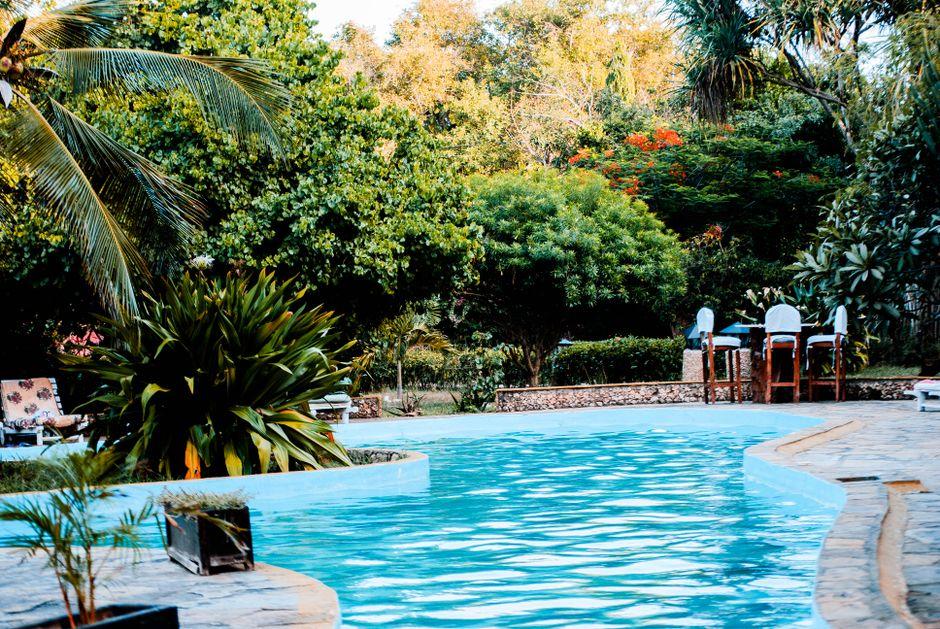
Adding a pool can turn your yard into the part of the house everyone actually wants to use. It also changes your maintenance routine, utility costs, and even how you think about outdoor space. If you live in a warm, humid place like Nashville, a pool can feel less like a luxury and more like a survival strategy in July. Still, a good result depends on planning, not wishful thinking and a sketch on a napkin.
Start With Your Yard, Not the Pool
It’s tempting to begin by picking shapes, tile, and dramatic waterfall features. Your yard has other opinions. Slope, drainage, soil conditions, property lines, and underground utilities can all affect what’s realistic.
A narrow lot may limit the size or orientation. A steep grade could require retaining walls, which adds cost quickly. Existing trees bring shade, but also roots, leaves, and the occasional acorn attack on your filter system.
Before you get attached to a design, look at how you already use the space. Do you need room for kids to play, a grilling area, or a clear path from the back door? The smartest layouts treat the pool as one part of a full outdoor environment, not a giant water-shaped interruption.
Choose a Design That Matches How You’ll Actually Use It
A pool that looks great in photos can still be wrong for your life. If you want lap swimming, a long rectangular shape makes sense. If you picture family hangouts, shallow lounging areas, tanning ledges, and easy entry steps may matter more.
Think about who will use it most. Small kids need very different features than teenagers, adults who entertain, or older family members who want safer access. Depth matters too. Many homeowners assume deeper means better, then realize a huge deep end reduces the comfortable standing area.
This is where custom pool design and construction becomes relevant in a practical way. A tailored plan can fit your lot, your routines, and your safety priorities instead of forcing your yard into a one-size-fits-all template. Good design solves problems before concrete ever arrives.
Know the True Cost Beyond Installation
The upfront construction bill gets most of the attention, but ownership costs keep showing up long after the pool is filled. You’ll need to budget for chemicals, routine cleaning, equipment maintenance, water top-offs, and higher electricity use.
If you add heating, lighting, automation, or elaborate water features, operating costs can climb. Repairs aren’t rare either. Pumps wear out, liners age, tile cracks, and filters need replacement. Pools are fun, but they are not self-managing backyard celebrities.
You should also check insurance implications. A pool may raise your homeowner’s premium, and you may want extra liability coverage. Local codes may require fencing, gates, alarms, or safety covers. Those aren’t decorative extras. They’re part of the real project cost from day one.
Materials Matter More Than Most People Expect
Pool materials affect appearance, durability, maintenance, and long-term cost. Concrete, fiberglass, and vinyl liner pools each come with trade-offs, and none is universally perfect.
Concrete offers major flexibility in size and shape. It’s often chosen for fully customized projects, though it usually takes longer to build and may require more maintenance over time. Fiberglass shells install faster and tend to have smooth surfaces that resist algae, but shape options can be more limited. Vinyl liner pools often cost less initially, though liners eventually need replacement.
The surrounding deck also deserves serious thought. Stone looks great but can get hot or slippery depending on the finish. Brushed concrete is budget-friendly and practical. Pavers are easier to repair in sections. You’re not just choosing a look. You’re choosing how the space will perform in actual weather and foot traffic.
Don’t Ignore Drainage, Sun, and Wind
These three factors sound boring until they ruin your weekend. Drainage problems can send muddy runoff toward the pool or leave standing water near the deck. That creates mess, erosion, and potential structural issues.
Sun exposure affects water temperature, comfort, and algae growth. A pool in full sun may be perfect for people who actually want warm water instead of a refreshing shock to the nervous system. A heavily shaded pool may stay cooler, but it can also collect more debris and dry more slowly around the deck.
Wind matters too. Strong crosswinds increase evaporation, cool the water, and blow leaves right where you don’t want them. Thoughtful placement of fencing, landscaping, or privacy walls can make the area more comfortable without making it feel boxed in. Good site planning is invisible when done well, which is usually the point.
Think About Maintenance Before You Fall for Features
That infinity edge, attached spa, or dramatic fire-and-water combo may look impressive, but each added feature brings more upkeep. More plumbing, more equipment, and more surfaces usually mean more potential maintenance.
Ask simple questions early. How often will you need to clean it? What breaks most often? How hard is it to winterize in your climate? Can you manage the system yourself, or will you need regular professional service? Smart controls can help, but apps don’t replace physical maintenance.
You should also think about cleaning access. Tight corners, awkward steps, and decorative rock elements can create debris traps. A design that is slightly less flashy but easier to maintain often wins in real life. Backyard luxury feels a lot less luxurious when you’re scooping leaves every evening.
Plan for Safety and Privacy From the Start
Pool safety works best when it’s built into the design instead of added awkwardly at the end. Fencing, self-latching gates, slip-resistant surfaces, and visible sightlines all reduce risk. If children or pets are part of your household or regularly visit, barriers become even more important.
Privacy deserves equal attention. A beautiful pool loses appeal if you feel like you’re swimming on display. Strategic landscaping, pergolas, privacy screens, and thoughtful orientation can create a more comfortable space without making it feel closed off.
Noise is another real-world issue. Pumps, heaters, and water features can be louder than expected, especially on compact lots. Neighbors may not love your mechanical soundtrack. Equipment placement, screening, and model selection can make a big difference in keeping the space peaceful for everyone.
Treat the Pool as Part of a Bigger Outdoor Living Plan
The best pool projects usually connect to a broader outdoor strategy. That includes seating, shade, storage, lighting, pathways, and dining areas. If those pieces are treated as afterthoughts, the yard can end up feeling disjointed.
Picture a typical day. Where do wet towels go? Is there a bathroom route that doesn’t turn your kitchen into a slip hazard? Do you have shaded seating for people who want to hang out without roasting? Small planning details shape whether the space feels easy to use or mildly chaotic.
Resale value is part of this conversation too. A well-integrated pool may boost appeal in some markets, especially in warmer regions. In others, buyers may see it as extra maintenance. A balanced design, with usable hardscape and landscaping around the pool, tends to age better than trend-heavy choices that scream one particular year.