Key Takeaways
- Iowa’s freeze-thaw cycles, rain, wind, snow, and summer sun can affect fence posts, panels, gates, and hardware.
- Drainage, post depth, exposure, and gate design can be just as important as the material selected.
- Wood, vinyl, chain link, and ornamental metal all have different maintenance needs in Central Iowa conditions.
- Spring and fall inspections help identify leaning posts, rot, rust, loose hardware, and drainage issues before they become more extensive repairs.
- A fence should match the property’s purpose, whether that means privacy, pet containment, security, visibility, or curb appeal.
Iowa fences need to withstand more than everyday use. A single year may bring frozen ground, spring downpours, high winds, humid heat, and snow buildup. Planning for those conditions can help homeowners, landlords, farmers, and property managers make a more durable choice from the start.
For property owners assessing storm damage, leaning posts, worn gates, or aging materials, Iowa fence repair is a service offered by Iowa Fence, a locally owned fencing and outdoor-living company based in Bondurant and serving the greater Des Moines metro, including West Des Moines, Ankeny, Altoona, Grimes, and Waukee. Its experience with wood, vinyl, chain link, ornamental aluminum, and gate systems makes it a useful local resource when Iowa weather has affected a fence’s stability or appearance.
Weather Factors That Affect Iowa Fences
Every season affects a fence differently. Winter freezing can damage posts; spring rains can reveal drainage issues; and summer sun can fade finishes, dry wood, or cause expansion. Wind and snow also exert pressure, especially on open or exposed areas where wind and snow placement are crucial. For example, a fence in West Des Moines faces more wind than a sheltered yard, and a gate near a driveway endures more winter use and drifting snow. The Iowa DOT’s snow fence guidance explains how barriers affect snow movement and highlights the need to consider prevailing winds when installing fences.
Why Freeze-Thaw Cycles Matter
Freeze-thaw movement happens when water in the soil freezes, expands, and then thaws as temperatures change. Repeated cycles can shift the soil surrounding a post. Over time, that movement may contribute to leaning sections, uneven gate openings, cracked footings, or gaps under the fence.
Installation Details That Can Reduce Movement
- Set posts at a depth appropriate for the site, soil conditions, fence height, and intended use.
- Keep roof runoff, downspout discharge, and standing water away from post bases.
- Use outdoor-rated fasteners, hinges, latches, and brackets.
- Account for slopes, compacted fill, low spots, and soft ground before installation.
- Give extra attention to gate posts, which carry more weight and movement than standard line posts.
How Common Fence Materials Compare
There is no single best fence material for every Iowa property. The practical choice depends on upkeep expectations, site exposure, privacy goals, budget, and the type of use the fence will receive.
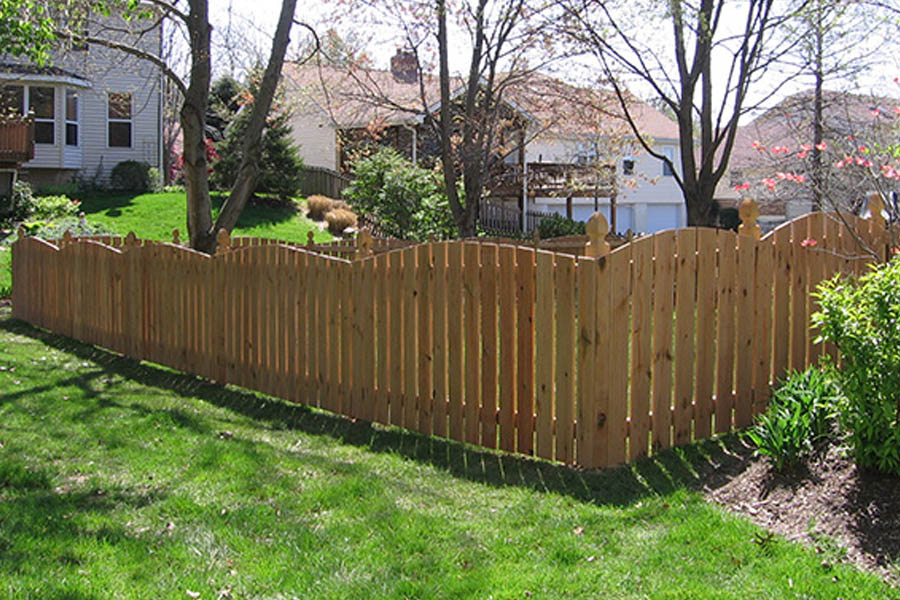
- Wood:Wood offers a warm appearance and many privacy styles. It should be checked for moisture damage, splitting, loose boards, fading finish, and soft areas near the ground.
- Vinyl:A low-maintenance option with a clean appearance. It still needs cleaning and inspections for cracks, impact damage, shifting rails, and hardware issues.
- Chain link:Practical for pets, utility areas, commercial sites, and long property lines. Inspect the fabric tension, terminal posts, fittings, and coating for rust or damage.
- Ornamental metal:Aluminum or similar ornamental fencing can improve visibility and curb appeal. Check joints, coatings, fasteners, and areas where debris or moisture may collect.
The Role Of Drainage And Soil
A quality fence can still struggle if the ground around it stays wet. Walk the fence line after a major rainstorm and again after the spring thaw. Look for standing water, washed-out soil, mulch holding moisture against wood, or erosion beneath gates and sloped sections.
Downspouts should not empty directly beside posts. Properties with clay-heavy soil, recent grading, landscaping fill, or low-lying areas may need a more tailored installation and drainage plan. Correcting a small runoff issue early can prevent a larger post or gate problem later.
A Simple Seasonal Maintenance Plan
Spring
- Check for leaning posts, frost movement, soil washout, and standing water.
- Test each gate for smooth swinging, proper alignment, and reliable latching.
- Remove branches, vines, and debris resting against the fence.
Summer
- Inspect wood for cracks, fading, and soft spots.
- Trim vegetation away from panels, posts, and gate hardware.
- Look for scratches in the coating, early rust, or loose connections on metal fencing.
Fall And Winter
- Clear leaves from the fence base and tighten loose hardware before freezing weather.
- Remove dead limbs that could fall during a storm.
- Avoid piling heavy snow against panels or forcing frozen gates open.
- Photograph storm damage to make repair needs easier to document later.
Signs A Fence Needs Repair
Normal aging is expected, but some problems deserve prompt attention. Watch for posts that lean after a thaw, gates that sag or drag, soft wood near ground level, chain link pulling away from posts, cracked vinyl rails, peeling metal coatings, or new gaps beneath the fence. If a section moves noticeably when pushed lightly, the issue may involve posts, footings, soil movement, or weakened connections.
Questions To Ask Before Hiring A Fence Contractor
- How will the plan address drainage, frost movement, and wind exposure?
- Which posts, fasteners, hinges, and gate hardware are included?
- How will slopes, corners, property transitions, and gate openings be handled?
- Who will perform the work, and will subcontractors be involved?
- What maintenance should the owner expect after installation?
- What does the written warranty cover?
- Will the contractor identify permit, HOA, and property-line considerations?
Compare written estimates carefully. A lower price may exclude removal, grading, stronger gate hardware, cleanup, or details that improve long-term performance.
Common Questions About Iowa Fences
Which Fence Material Needs The Least Routine Maintenance?
Vinyl and ornamental aluminum generally require less routine upkeep than wood, but all materials benefit from cleaning, vegetation control, hardware checks, and post-storm inspections.
Why Does A Fence Lean After Winter?
Common causes include frost movement, saturated soil, poor drainage, wind pressure, shallow support, or damage near a post base.
How Often Should A Fence Be Inspected?
Inspect it at least twice a year, ideally in spring and fall, plus after major wind, ice, rain, or snow events.
Is a tall privacy fence always the best choice?
No. More height can mean more privacy, but it can also increase wind pressure. The design should fit local rules, site exposure, and the level of privacy actually needed.
Final Thoughts
Iowa weather rewards careful fence planning. Material selection matters, but drainage, post support, wind exposure, gate design, and regular maintenance all influence how well a fence performs over time. A brief spring and fall inspection can help catch small problems before they turn into major repairs, keeping the fence safer, more attractive, and more reliable year-round.