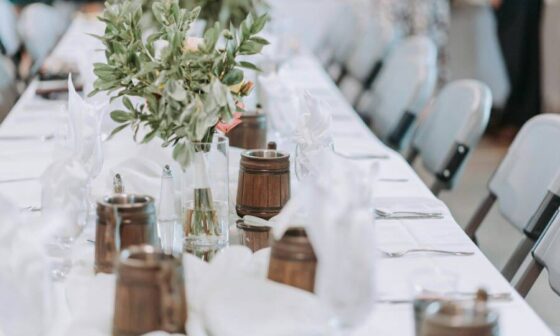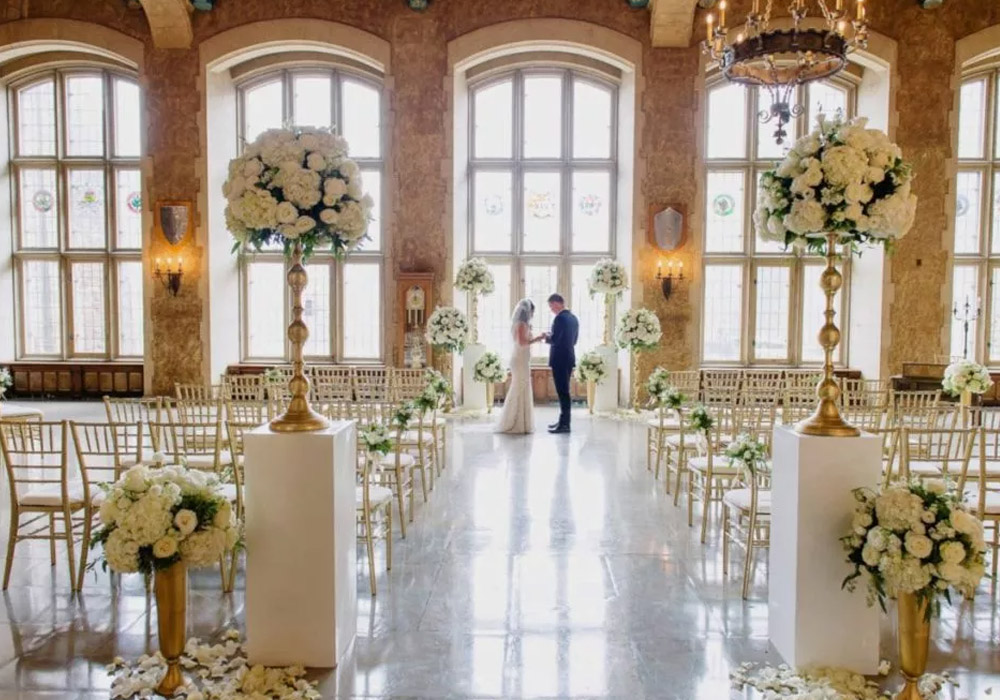
An indoor wedding is ideal when you want protection from outdoor elements, such as heat, cold, and rain. The setup often features a main celebration area and reception space; some venues also have cardrooms. You can visit the facility or use a virtual tour to explore the rooms and amenities. Here are a few things to know about indoor event setups:
Venue Layouts
Wedding venue layouts affect how people move within the space. Indoor events require enough room between tables, dancing areas, and walkways for comfortable movement. When determining your layout, identify where furniture and decorations will be positioned; choose your preferred seating style, such as traditional rows for a rustic wedding.
Staff at the indoor wedding venue can help match the layout to your guest count and planned activities. This approach allows you to maintain fire codes and room requirements. Choose a setup that supports dancing, taking photos, and transitioning smoothly between events; the wedding facility should also:
- Have large windows that let in natural light and offer outside views
- Feature unique interior highlights, such as a clerestory with exposed beams or original hardwood flooring
- Offer separate ceremony and reception spaces to reduce interruptions between activities
- Feature accessibility amenities for guests with specific physical requirements
Lighting and Sound Systems
If your wedding is scheduled during the day, you can take advantage of the natural light coming through the windows. Wedding venues also feature lighting installations to help keep rooms and event spaces well-lit. Choose warm lighting to create a welcoming setting, and layer decorative fixtures and candles to add character. For evening weddings, use uplighting, spotlights, and chandeliers to enhance the ambiance. You may also add pin spot lights on tables or dimmers to adjust the mood. Before your event, check if the venue allows candles or battery-operated LED lights, and test the lighting to identify ideal areas for photos.
Indoor sound quality influences communication throughout the wedding. Guests should be able to hear vows, speeches, and music clearly. Check if the venue has high ceilings or hard surfaces that produce echoes; you can organize a sound check to test microphone clarity. Audio levels should be balanced to allow music and speeches alongside conversations during the day and dinner. Fix any feedback or uneven volume issues beforehand, and address background noise from nearby event rooms. Speaker placement should also be optimized to distribute sound evenly across the venue.
Venue Rules
Some wedding venues have specific rules and requirements regarding decorations, setup and teardown times, and cleanup responsibilities. The venue may also limit open flames or hanging with nails. Review all rules and limits with your wedding planner and venue coordinator, and communicate any necessary details to family and friends helping with your event.
Find an Indoor Wedding Venue
Planning a wedding involves securing a venue, finalizing your itinerary, and scheduling timely setups. Meet with vendors and coordinators to discuss needs and expectations; this helps reduce surprises on the wedding day. Having contingency plans can also keep your event running smoothly. Take a virtual tour or visit an indoor wedding venue today to start planning your event.