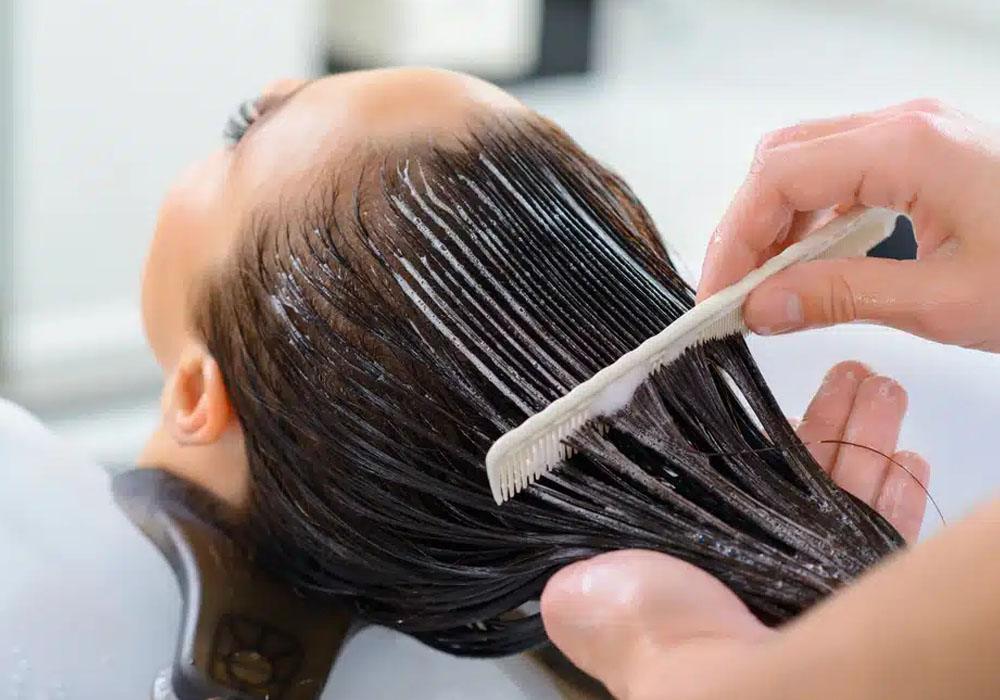
Millions of people have used chemical hair relaxers for decades without questioning whether the products could affect their long-term health. Recent scientific research and ongoing litigation have changed that conversation. As more consumers learn about the potential risks associated with frequent use of certain hair straightening products, many are also looking for reliable information about their legal rights.
People facing a serious diagnosis often need clear guidance on what steps to take next. Speaking with experienced litigators focuses on cancer-related exposure can help individuals understand whether they may qualify to pursue a legal claim based on their personal history and medical diagnosis.
Why Hair Relaxer Safety Has Become a National Issue
Concerns about chemical hair relaxers have grown because several studies have examined possible links between long-term product use and certain cancers.
Hair relaxers contain ingredients that permanently change the structure of hair. While these products have been widely available for years, researchers have continued studying whether repeated exposure to some chemical ingredients may increase health risks for certain users.
This issue has received national attention because many consumers report using these products regularly over long periods. Some began treatments during childhood and continued for decades.
What Research Says About Hair Relaxers and Cancer
Research has identified an association between frequent use of some chemical hair straightening products and several types of cancer.
One of the most discussed studies was conducted by researchers from the National Institutes of Health. The findings suggested that women who frequently used chemical hair straightening products experienced a higher rate of uterine cancer than those who did not use them.
The research does not conclude that every user will develop cancer. Instead, it highlights a statistical association that has encouraged additional scientific investigation involving uterine, endometrial, and ovarian cancers.
Why Lawsuits Have Increased
Product liability lawsuits have grown because many plaintiffs claim they were never warned about potential risks.
Individuals filing lawsuits generally argue that manufacturers knew or should have known about possible health concerns connected to long-term chemical exposure. According to many complaints, consumers were not provided with adequate safety warnings before purchasing or using these products.
These lawsuits commonly focus on failure to warn consumers, product safety, and manufacturer responsibility.
Understanding Product Liability Claims
Product liability law allows consumers to seek compensation when a product may have caused preventable harm.
Every case depends on its own facts. Attorneys typically review several factors before determining whether someone may have a viable claim, including a person’s history of product use, medical diagnosis, treatment records, and available evidence connecting the two.
Why Documentation Matters
Strong documentation often helps strengthen a legal claim.
Individuals considering legal action should begin collecting information as early as possible. Even if every receipt is not available, medical records, pathology reports, product photos, and purchase history may help support a case.
Good documentation also allows attorneys to evaluate potential claims more efficiently.
Consumer Awareness Is Driving Industry Change
Greater public awareness is encouraging companies to place more emphasis on ingredient transparency.
Consumers today expect manufacturers to provide accurate safety information before products reach store shelves. As scientific research becomes more accessible, buyers are increasingly reviewing ingredient lists and researching products before making purchasing decisions.
This growing awareness is encouraging companies to improve product testing, labeling, and consumer education while placing greater emphasis on transparency.
Scientific Research Continues to Evolve
Researchers continue studying the long-term effects of repeated chemical exposure.
Medical research rarely provides immediate answers after a single study. Instead, scientists evaluate multiple studies over many years before reaching broader conclusions.
Organizations such as the National Cancer Institute’s research on uterine cancer provide educational resources about diagnosis, treatment, and ongoing research that help patients better understand the disease.
As additional studies become available, healthcare providers, regulators, manufacturers, and consumers will likely continue updating their understanding of product safety.
What Consumers Should Know Going Forward
Consumers should stay informed while making decisions based on reliable medical and legal information.
Anyone diagnosed with uterine, ovarian, or endometrial cancer after years of using chemical hair relaxers may wish to discuss both medical treatment and legal options. Every situation is different, and only qualified medical professionals and attorneys can provide advice based on individual circumstances.
Learning about product ingredients, current research, and legal rights helps consumers make informed decisions.
Final Thoughts
Hair relaxer litigation reflects a broader conversation about consumer safety, scientific research, and corporate accountability. While courts continue evaluating claims and researchers continue studying potential health effects, consumers benefit from having access to accurate information from trusted sources.
Understanding both the medical research and the legal process allows individuals to make informed decisions if they believe they have been affected. As more evidence becomes available, this issue will likely remain an important topic for consumers, healthcare professionals, legal experts, and businesses committed to product safety.