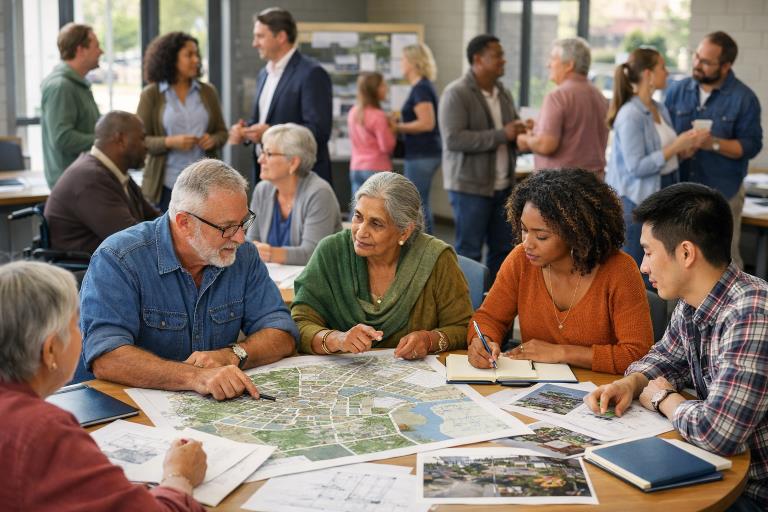
Public policy decisions shape the fabric of everyday life for millions of people. From laws and regulations to city initiatives and funding decisions, public policies define how resources are distributed and how challenges are tackled within communities. Navigating this complex landscape often benefits from the guidance of a specialized government affairs consultant, who helps municipalities, organizations, and individuals understand and influence the policy-making process to achieve desired outcomes. Understanding how these policies affect economic opportunity, health, equity, and civic engagement is fundamental to building vibrant and resilient communities.
Effective public policy considers not only broad economic or environmental outcomes but also the unique needs of local populations. The mechanisms by which public policies are enacted and enforced can have far-reaching and sometimes unintended consequences for neighborhoods, schools, and vulnerable populations. Engaged citizens and policymakers who grasp these dynamics are better equipped to foster positive change and advocate for the common good.
Economic Development
Public policy plays a significant part in stimulating economic growth at the community level. Through targeted funding mechanisms, tax incentives, and investment in infrastructure, local governments can revitalize rundown areas and encourage private investment. An example of this is the use of tax allocation districts (TADs) in cities like Atlanta, where policymakers proposed extending six TADs by 30 years. This extension is projected to generate between $5 billion and $7 billion to support affordable housing, enhance transit, and increase access to fresh food in underserved neighborhoods. The direct infusion of funds into these critical areas highlights how strategic policy decisions can reduce disparities and stimulate local economies.
Social Equity
Addressing historical and systemic inequities requires deliberate policy shifts. Programs like the Urban Agenda in Cleveland illustrate the potential of policy-driven change. This agenda, championed by the Greater Cleveland Partnership, prioritizes lifting the median incomes of Black and Hispanic/Latino residents, expanding access to homeownership, and narrowing the racial wealth gap. By formalizing these goals in a memorandum of understanding, local leaders have committed to measurable change, demonstrating that public policy can lay the foundation for a fairer society when coupled with steadfast execution.
Environmental Sustainability
Communities everywhere face the risks posed by climate change and environmental degradation. Robust environmental policies are needed to build local resilience and foster sustainable development. Innovative methods, like agent-based models (ABMs), help simulate responses to urban climate impacts by integrating the viewpoints of local stakeholders. These models offer insights into how municipal agencies and civil society can collaborate on development proposals and adaptation strategies, underscoring the role of cooperative policy-making in creating sustainable cities for generations to come.
Public Health
The effects of public policy on public health are immediate and tangible. Investing in water systems, emergency services, and environmental protection can mean the difference between safety and suffering for residents. The situation in Cahokia Heights, Illinois, is stark: where budget cuts led to recurring floods and untreated sewage entering homes, highlighting the essential role of continued infrastructure investment. Failures in policy and funding can endanger public health, emphasizing that proactive maintenance and responsive systems are pivotal for well-being.
Education
Equitable education policy shapes the future workforce by ensuring all students have access to high-quality learning environments. Key decisions surrounding funding, curriculum design, and professional development for educators translate directly into better outcomes for children. Districts that receive adequate resources and maintain rigorous academic standards are better positioned to close achievement gaps and provide meaningful opportunities for every student. Thoughtful education policy fosters long-term community success and upward mobility.
Infrastructure
Well-maintained infrastructure is the backbone of thriving communities. Policies that direct investment into transportation networks, energy grids, and water systems not only improve the quality of life but also facilitate economic growth. When governments prioritize sustainable and resilient infrastructure, they help communities withstand shocks and adapt to evolving needs, ensuring access and mobility for all residents.
Public Safety
Safety policies influence everything from emergency response times to crime rates. Comprehensive approaches that blend effective law enforcement with social services and community engagement yield the best outcomes. By supporting coordinated strategies like community policing and violence prevention programs, policy can elevate safety and trust throughout neighborhoods, enhancing everyday life for all.
Civic Engagement
Public involvement in policy-making brings valuable perspectives to the table. Participatory budgeting is one example, empowering residents to directly decide how tax dollars are spent. During Seattle’s recent process, $27 million was allocated to community projects, including new public restrooms and neighborhood amenities, illuminating the power of inclusive decision-making. Such engagement deepens trust, builds civic skills, and ensures policies reflect real community needs.
Further reading on the benefits and challenges of participatory governance can be found through Brookings Institution’s research.
Public policy is integral to every aspect of community wellbeing, from economic opportunity and education to the health of the environment and the justice of society. Engaged communities that understand and participate in this process are in the best position to advocate for their needs, shape outcomes, and secure a more equitable future for all residents.