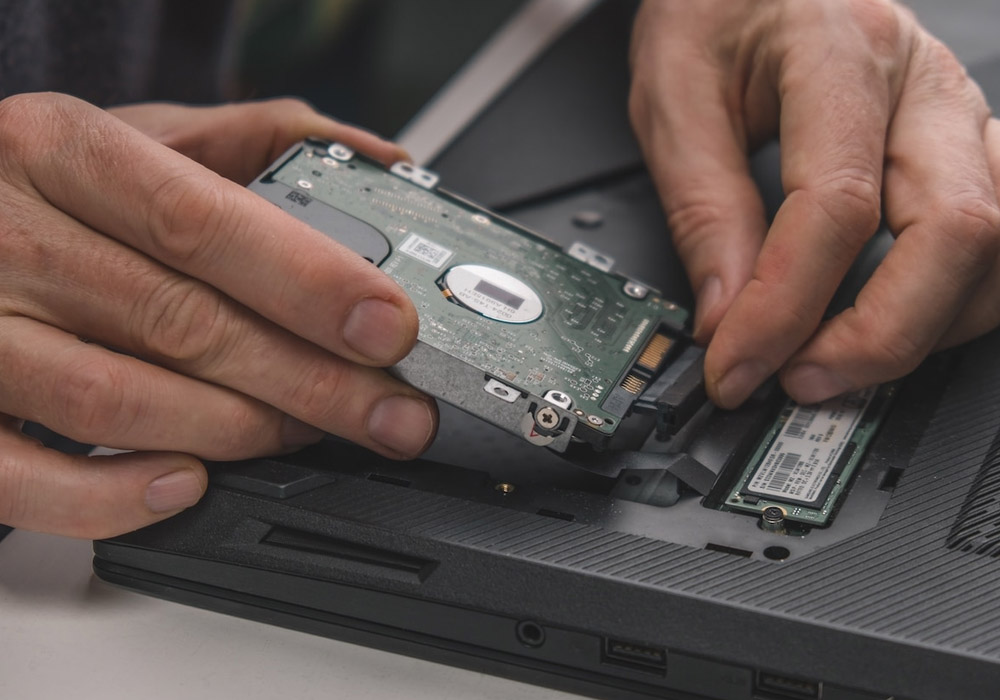
When assembling or upgrading a computer, selecting the right hard drive is crucial as it directly impacts the system’s performance and storage capacity. Among the diverse types of hard drives, a pivotal choice occurs between a hard disk drive (HDD) and a solid-state drive (SSD). For those looking for traditional storage solutions, exploring the range available on platforms like hdd hdd can be beneficial.
Understanding Hard Disk Drives (HDDs)
Hard Disk Drives have been a staple in computer systems for decades and are known for their reliability and large storage capacities at a lower cost compared to SSDs. HDDs work by storing data on spinning disks, with a read/write head that accesses the data as needed. This technology, though slightly outdated, remains useful for bulk storage needs.
Benefits of HDDs
HDDs offer a range of benefits, including affordability and availability in larger sizes than many SSDs. They are an excellent choice for users who require large volumes of storage for files, applications, and media content where speed is not the priority.
Solid-State Drives: A Modern Solution
Solid-State Drives offer a newer technology with faster data access speeds and better performance in general computing tasks. Unlike HDDs, SSDs have no moving parts, which enhances their durability and speed. They use flash memory to store data, making them quieter and more energy-efficient.
Advantages of SSDs
The main advantages of SSDs include faster boot-up times for the whole system, quick data transfer rates, and minimal delay in application loading. These features make SSDs ideal for gaming, professional workstations, and other performance-intensive tasks.
Key Factors in Choosing Between HDD and SSD
In choosing between an HDD and an SSD, consider factors such as budget, required storage capacity, speed needs, and usage purpose. For instance, if cost-effectiveness and capacity are significant concerns, HDDs might be the way to go. In contrast, SSDs are preferable for high-speed data access and better overall performance, despite the higher cost per gigabyte.
Hybrid Drives: The Best of Both Worlds
For those torn between the benefits of HDDs and SSDs, hybrid drives, or SSHDs, offer a middle ground. These drives combine the extensive storage capabilities of an HDD with the speed advantages of an SSD, making them a practical solution for users seeking balance.
The Role of External Drives
External hard drives can complement internal drives by offering additional storage for backups and large files. They are portable, providing flexibility for users who need to transport data between different systems.
Benefits of External HDDs and SSDs
External drives, whether HDD or SSD, allow for easy data backup and provide extra storage without the need to open up the system. This is particularly useful for users with laptops or systems with limited upgrade potential.
Conclusion
In conclusion, choosing the right type of hard drive is a critical decision when building or upgrading a computer. By considering individual needs, budget, and performance requirements, users can make informed decisions. For those interested in more information or looking to purchase a drive, visiting hdd hdd can offer valuable insights and options.