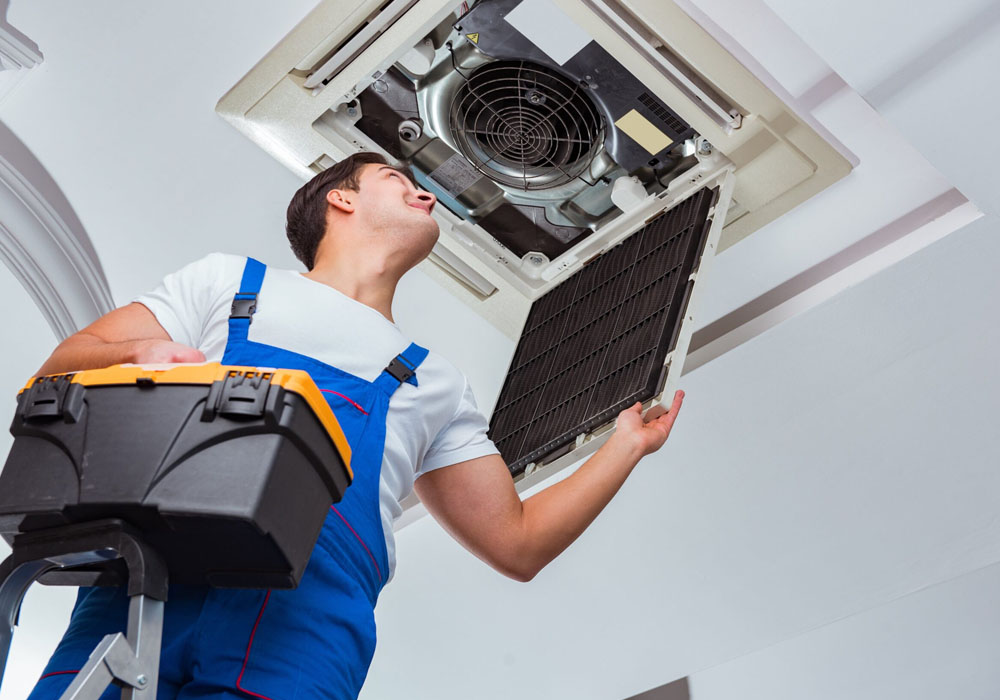
Maintaining a reliable cooling system requires more than simply adjusting the thermostat when temperatures rise. Many homeowners focus on changing filters and monitoring energy bills but overlook components that play a major role in overall system performance. Among these components, AC coils have a significant responsibility in the cooling process. Over time, dirt, dust, pollen, and other airborne contaminants accumulate on coil surfaces, reducing efficiency and placing unnecessary strain on the system.
When these conditions persist, cooling equipment becomes more vulnerable to operational problems and sudden failures. Regular coil maintenance supports steady airflow, improves heat transfer, and helps cooling systems operate under less stress. By keeping coils clean, property owners can reduce the likelihood of unexpected breakdowns while promoting dependable comfort throughout the cooling season.
Why Cleaning Coils Matter
1. The Connection Between Coil Condition and System Reliability
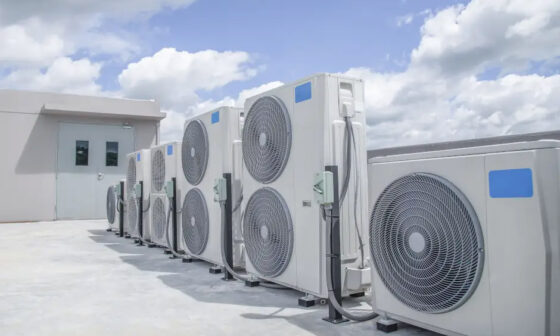
Air conditioning systems rely on evaporator and condenser coils to transfer heat efficiently. These coils continuously interact with indoor and outdoor air, making them natural collection points for dust, debris, and environmental pollutants. As contaminants build up, the system struggles to move heat effectively. This reduced efficiency forces components such as compressors, fans, and motors to work harder than intended. The increased workload creates additional wear that can gradually weaken critical parts. Over time, this strain raises the possibility of sudden equipment failures during periods of high demand. Clean coils support smooth heat exchange, allowing the system to operate as designed.
When airflow and temperature regulation remain balanced, the entire cooling system experiences less stress. Consistent coil maintenance contributes to reliable operation, helping homeowners avoid inconvenient disruptions that often occur during the hottest days of the year when cooling systems are needed most.
2. Reducing Strain on Major Mechanical Components
When coils become coated with dirt and debris, the air conditioner must compensate for restricted heat transfer. This compensation often results in longer operating cycles and increased demand on internal components. Compressors are particularly vulnerable because they serve as the heart of the cooling system. Excessive strain on the compressor can shorten its lifespan and increase the likelihood of costly repairs. Fan motors and electrical components may also experience additional stress as the system attempts to maintain indoor comfort. Regular cleaning helps maintain proper operating conditions by allowing heat to move efficiently through the system.
Property owners seeking dependable performance often recognize the value of AC Coil Cleaning in Herriman, UT as part of a broader maintenance strategy designed to reduce avoidable equipment stress. Keeping coils free from buildup allows mechanical parts to function more efficiently, minimizing unnecessary wear and supporting long-term system dependability.
3. Preventing Overheating and Temperature Imbalances
One of the most common consequences of dirty coils is overheating. When heat cannot transfer properly through the condenser coil, excess heat remains trapped within the system. This condition forces the air conditioner to work harder while producing less effective cooling. As temperatures rise inside the equipment, sensitive components experience increased pressure, which may lead to malfunctions or complete shutdowns. Homeowners often notice warning signs such as inconsistent room temperatures, extended cooling cycles, or reduced airflow before more serious problems emerge.
Unfortunately, these symptoms are sometimes ignored until a breakdown occurs. Clean coils help maintain stable operating temperatures by allowing heat to move efficiently through the cooling cycle. This improved performance reduces internal stress and supports consistent comfort throughout the home. By addressing coil contamination before it becomes severe, property owners can help prevent overheating-related failures and reduce the likelihood of sudden interruptions in cooling service.
4. Supporting Proper Refrigerant Performance
Refrigerant plays a central role in the cooling process by absorbing and releasing heat as it circulates through the system. Dirty coils interfere with this process by reducing heat-transfer effectiveness. When heat exchange becomes restricted, refrigerant pressures can move outside normal operating ranges. These pressure imbalances place additional strain on compressors and other critical components. In some situations, the system may struggle to maintain desired temperatures despite running continuously. Such conditions not only waste energy but also increase the risk of unexpected mechanical issues.
Clean coils create an environment in which the refrigerant can perform efficiently throughout the cooling cycle. Proper heat absorption and release help maintain balanced pressures and consistent operation. This stability contributes to overall equipment health and reduces the likelihood of refrigerant-related failures. Regular maintenance ensures that the refrigerant can do its job effectively without forcing other system components to compensate for poor heat-transfer conditions.
5. Improving Airflow Throughout the Cooling System
Airflow is essential to every stage of air conditioner operation. When evaporator coils become coated with dirt and debris, airflow can become restricted, reducing the system’s ability to distribute cooled air throughout the property. Reduced airflow often causes the equipment to run longer while producing less comfort. As operating times increase, components experience greater wear and consume more energy. In some cases, poor airflow can contribute to frozen evaporator coils, creating additional operational challenges and increasing the likelihood of shutdowns.
Clean coils support unrestricted airflow, allowing conditioned air to move efficiently through ductwork and living spaces. This balanced airflow reduces strain on fans and motors while helping maintain consistent temperatures. By preserving proper circulation, coil cleaning supports both performance and reliability. Homeowners who prioritize airflow management often experience fewer cooling interruptions and a lower risk of sudden system failures during periods of heavy use.
6. Extending Equipment Life Through Preventive Maintenance
Unexpected breakdowns rarely occur without warning. In many cases, failures develop gradually as dirt accumulation and operational strain take a toll on system components. Preventive maintenance addresses these issues before they progress into major problems. Coil cleaning is an important part of this process because it directly affects heat transfer, airflow, refrigerant performance, and overall efficiency. When these factors remain in balance, the cooling system operates under less stress and experiences fewer mechanical complications.
Consistent maintenance can help identify developing issues early, allowing repairs before they lead to costly breakdowns. Clean coils contribute to healthier operating conditions that support longer equipment life and more dependable performance. Property owners who invest in routine maintenance often experience greater peace of mind knowing their cooling systems are less likely to fail unexpectedly. A proactive approach reduces risks while helping preserve the value and functionality of the equipment over time.
Unexpected cooling system breakdowns can create discomfort, inconvenience, and unplanned expenses, particularly during periods of extreme heat. While many factors contribute to equipment reliability, coil cleanliness remains one of the most influential and often overlooked aspects of maintenance. Clean coils support efficient heat transfer, balanced airflow, stable refrigerant performance, and reduced strain on critical components. These benefits work together to create operating conditions that lower the likelihood of sudden failures. Regular maintenance allows cooling systems to function more effectively while reducing wear that can lead to costly repairs.
Property owners who prioritize coil care often enjoy more consistent comfort and fewer disruptions throughout the cooling season. By keeping this important component clean and functioning properly, homeowners can help protect their investment, extend equipment lifespan, and reduce the chances of unexpected breakdowns that interfere with indoor comfort when dependable cooling is needed most.