When the lights suddenly go out, most people assume a storm has rolled through or that a piece of equipment has failed. But sometimes, the real culprit is much smaller. Believe it or not, wildlife is responsible for thousands of power outages each year, disrupting power to homes, businesses, and entire communities.
Unexpected outages can interrupt work, spoil food, and leave households scrambling for backup power. That’s one reason many homeowners invest in a generator, which can help keep essential systems running when the grid goes down.
While severe weather often gets the blame for blackouts, animals are a surprisingly common source of electrical disruptions. From squirrels darting across power equipment to birds nesting in substations, wildlife can create problems that utility companies work hard to prevent. So, how exactly do animals cause power outages in the first place?
The Surprising Animals Behind Power Outages
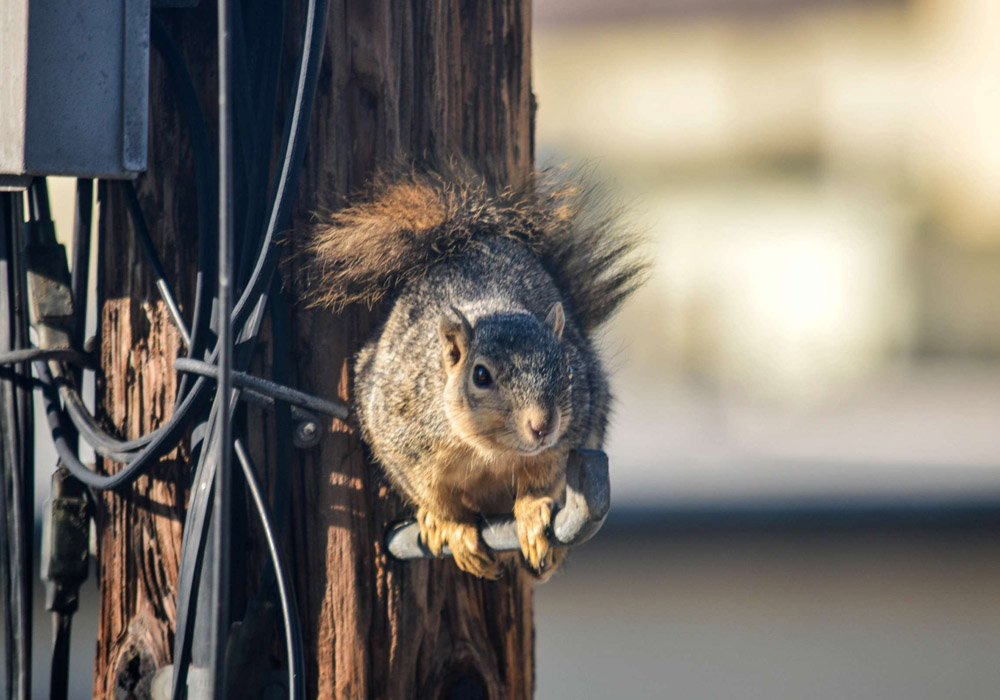
If you had to guess which animal causes the most power outages, you might think of a large creature, such as a bear or raccoon. In reality, one of the biggest offenders is the humble squirrel.
Squirrels frequently climb utility poles and explore electrical equipment, sometimes making contact with energized components. Birds are another common cause, especially when they build nests near transformers or power lines. Depending on the region, raccoons, snakes, rats, and other curious animals can also interfere with electrical systems.
These incidents aren’t limited to rural areas, either. Wildlife-related outages occur in cities, suburbs, and small towns alike. As urban development expands into natural habitats, encounters between animals and electrical infrastructure become increasingly common.
How Animals Disrupt Electrical Equipment
Modern power systems are designed to deliver electricity safely and efficiently, but animals don’t always respect those boundaries. One common problem occurs when an animal accidentally bridges the gap between two energized components or between an energized component and a grounded surface. This creates a short circuit, causing protective equipment to shut down power to prevent damage.
Animals can also pose a problem by building nests inside or near electrical equipment. Nesting materials may block ventilation, create fire hazards, or interfere with sensitive components. Rodents present another challenge because they often chew through insulation and wiring, increasing the risk of electrical faults.
What’s most surprising is that it doesn’t take a large animal to create a major disruption. In some cases, a single squirrel, bird, or snake can trigger an outage that affects thousands of customers.
How Common Are Wildlife-Caused Outages?
Wildlife-related power outages are more common than many people realize. Utility companies deal with animal interference on a regular basis. In some areas, it is among the most frequent non-weather-related causes of service interruptions.
Squirrels tend to get the most attention because they are agile climbers and comfortable around poles, wires, and transformers, but they are not working alone. Birds may nest near equipment, snakes may slither into substations, and raccoons may investigate places they absolutely shouldn’t.
Unlike storms, wildlife problems don’t follow a neat schedule. They can happen in spring, when animals are nesting, in fall, when squirrels are especially active, or on an otherwise perfect, sunny afternoon. That unpredictability is part of what makes animal-related outages so frustrating for utilities and customers alike.
What Utility Companies Do To Prevent Animal Interference
Fortunately, utility companies know they must both maintain equipment and try to outsmart wildlife, which is not always easy. To reduce outages, utilities may install animal guards, covers, barriers, and insulated equipment around vulnerable areas. These tools help prevent animals from touching energized parts or squeezing into dangerous spaces.
In substations, companies may use fencing, protective caps, and specially designed equipment layouts to make the area less inviting to curious creatures. And birds require a slightly different strategy.
Utilities may use nest management programs, perch deterrents, or wildlife-friendly designs to provide birds with safer places to land without putting electrical equipment at risk. The goal is not to harm animals, but to keep both wildlife and the power system safer.
The Bottom Line: Yes, Wildlife Can Cause Power Outages
So, does wildlife cause power outages? Absolutely. While storms, equipment failures, and accidents may be more obvious explanations, animals are a real and surprisingly persistent challenge for the electrical grid.
A tiny squirrel, a determined raccoon, or a nest-building bird can disrupt power for hundreds or even thousands of people. It sounds unlikely until your lights flicker off, and the culprit is somewhere up a pole, winning the award for most chaotic neighborhood visitor.
The good news is that utility companies are constantly improving prevention methods. The less-good news is that wildlife is persistent, curious, and uninterested in electrical safety guidelines. In other words, sometimes the biggest threat to your power is not dramatic weather. Sometimes, it is a squirrel with places to be.