Key Takeaways
- The CAT 3306 engine, introduced in the 1970s, remains a cornerstone in various industrial applications due to its reliability and versatility.
- Its robust design has led to widespread use in construction, marine, and power generation sectors.
- Despite newer models, the 3306 remains favored in regions that require durable, easily maintainable machinery.
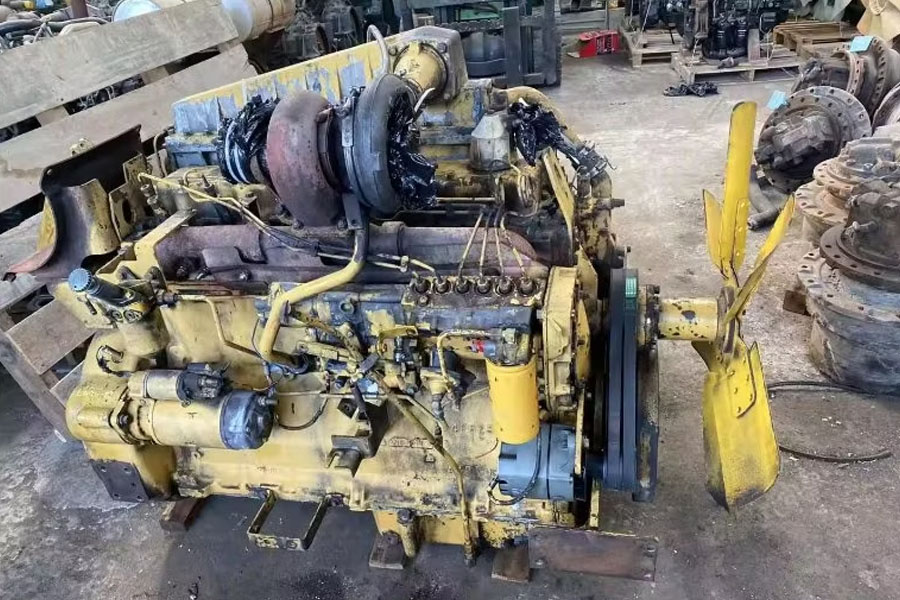
Few industrial engines have demonstrated the staying power and versatility of the CAT 3306 engine. Since its introduction in the early 1970s, the CAT 3306 engine has earned recognition for its robust design and reliable performance under challenging conditions. It is utilized across core sectors such as construction, marine, and power generation. The engine’s durability and ease of maintenance, even in remote areas, have enhanced its appeal, making it a preferred choice for equipment manufacturers and users globally.
The CAT 3306 is praised for its simplicity and longevity, allowing it to function for decades while minimizing lifecycle costs for owners. Its sustained presence in the market signifies that foundational engineering solutions can still satisfy essential needs in an era of rapid technological advancements. Part of its enduring reputation is attributed to its straightforward repair process, which avoids the need for complex diagnostic tools or specialized parts. This practicality continues to outweigh the appeal of modern, computer-controlled engines in many regions, securing the CAT 3306’s role in heavy-duty applications.
Construction Industry
Among its broad range of uses, the construction sector remains one of the biggest beneficiaries of the CAT 3306 engine. Construction projects involve intensive workloads and harsh site conditions that place immense stress on machinery. The 3306 has gained a legendary reputation for powering bulldozers, excavators, motor graders, and wheel loaders, thanks to its ability to sustain high performance with minimal downtime.
Reliable engine power is critical for keeping projects on schedule and costs down, especially on large-scale civil engineering sites. The engine’s robust design, combined with its ability to withstand prolonged, heavy use, delivers consistent results even in the most challenging environments. This reliability has made it a trusted workhorse for fleet operators worldwide.
Marine Applications
Working conditions in marine environments pose specific challenges for industrial engines, particularly the CAT 3306, which has established itself as a reliable option for vessel operators focused on dependability and maintainability. The engine is widely used in tugboats, fishing boats, dredges, and ferries, where it faces challenges from vibration and corrosive saltwater. Its design allows easy access to replacement parts and simplifies mechanical repairs, making it suitable for remote harbors and extended voyages.
Downtime is a critical issue for marine operations. The 3306’s straightforward maintenance directly contributes to operational efficiency, especially for organizations managing essential logistics or emergency response. Its reliability and moderate fuel consumption provide operators with peace of mind, ensuring that the engine remains a reliable power source during demanding missions.
Power Generation
The CAT 3306 has also been a staple in the power generation sector, powering generator sets that provide both prime and standby electricity in a variety of contexts. Consistent, stable electrical output is critical for everything from construction sites and hospitals to military bases and data centers. The engine is often deployed in areas with unreliable or nonexistent grid connectivity, providing a reliable source of electricity and peace of mind for end users.
Its straightforward mechanical design means that local operators can often handle basic repairs and maintenance themselves, reducing ongoing costs and avoiding lengthy production delays. This is especially valuable in remote locations, disaster recovery environments, or developing regions where access to skilled labor and specialized components is limited.
Global Reliance on the 3306
Across continents, the CAT 3306 engine is crucial for infrastructure, especially in regions with inconsistent supply chains for newer models. Its simplicity, devoid of complex electronics, allows it to function reliably in extreme conditions such as heat, dust, and humidity. The growing secondary market for aftermarket parts and refurbished engines enhances its longevity, making it an attractive investment for operators seeking durable solutions. Furthermore, international aid and disaster relief organizations favor these engines for their ease of maintenance and widespread availability. Industry analyses underscore that mechanically governed engines like the CAT 3306 continue to play significant roles in global economies.
Maintenance and Durability
The CAT 3306 engine is valued for its efficient operation and simple, regular maintenance. Routine tasks like oil changes, coolant checks, and timely component inspections are often sufficient to significantly extend the engine’s service lifespan. This low level of complexity is a vital factor in environments where highly skilled technicians or diagnostic equipment are not readily available.
Users who establish proactive maintenance routines often report that engines run reliably after thousands of operational hours, enhancing overall value and reducing the frequency of equipment replacement. This aspect is foundational to the engine’s status as a cost-effective, industry-proven solution.
Modern Alternatives
The rapid evolution of emissions regulations and technological advancements has given rise to newer Caterpillar models, like the C7 and C9 engines. These modern engines deliver improved fuel efficiency and lower emissions, aligning with evolving environmental standards across many markets. However, their increased use of electronic controls and sensors can introduce complexities and higher long-term maintenance requirements.
For some operators, especially those managing fleets in remote or economically constrained regions, the transition to these newer engines is not always beneficial. The balance between technological advancement and real-world practicality often tips in favor of the established 3306 design, reaffirming the importance of matching technology to context and operational needs.
Conclusion
More than half a century since its introduction, the CAT 3306 engine remains embedded in the fabric of global industry. Its legacy is built on delivering consistent, cost-effective power in sectors and locations where reliability and serviceability matter most. Whether in construction, maritime, or energy, the engine exemplifies a balanced approach to engineering that continues to resonate with today’s equipment owners and operators.
As technology continues to advance, the lesson from the CAT 3306 is clear: simplicity, durability, and adaptability are timeless qualities in industrial solutions.