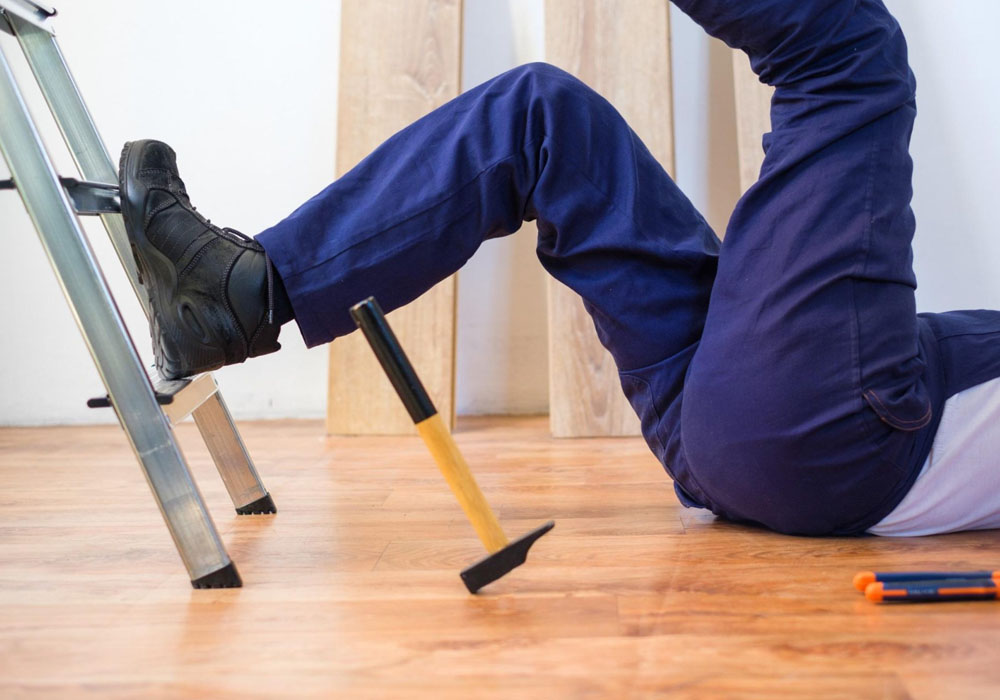
Slip and fall accidents happen more frequently than most people recognize. These incidents result from ordinary conditions that victims fail to connect with legal liability. Many individuals walk through their daily routines completely unaware of the hidden dangers that surround them.
Property owners bear the responsibility for maintaining safe environments for visitors and guests. When negligence causes injury, victims may possess valid grounds for pursuing financial recovery. Knowledgeable attorneys at Echevarria Law Firm and comparable legal organizations regularly handle these exact scenarios. This article explores unexpected circumstances that frequently produce successful slip and fall claims.
Wet Floors Inside Retail Establishments
Retail stores face constant challenges with liquid spills from customers or malfunctioning refrigeration units. Employees neglect to place warning signs around recently mopped sections of the sales floor. Shoppers rush through aisles without noticing the glossy sheen that indicates a treacherous surface underneath.
Store managers sometimes fail to conduct regular inspections of high-traffic zones throughout their operating hours. These oversights create prime conditions for dangerous falls that cause broken bones or head trauma. An attorney can help prove that store personnel knew about the wet area and failed to act appropriately.
Poorly Maintained Outdoor Walkways
Cracked pavement and uneven sidewalk slabs present serious trip hazards for pedestrians using public pathways. Municipalities and private property owners must repair these defects within a reasonable timeframe after discovering them. Weather conditions like rain or snow can conceal these imperfections until someone takes an unexpected tumble.
Property managers ignore small cracks until they expand into significant gaps that catch shoes and send people flying forward. These outdoor accidents frequently produce severe ankle sprains, wrist fractures, and facial lacerations from abrupt impacts. Legal representation becomes essential when establishing that the responsible party had adequate time to fix the dangerous condition.
Accumulated Ice and Snow on Steps
Winter months bring freezing temperatures that transform ordinary staircases into deadly sheets of slippery ice. Property owners must apply salt or sand to these surfaces within several hours after precipitation stops falling. Apartment complexes and commercial buildings sometimes delay this maintenance until after tenants have already left for work.
The shaded areas near entrances retain ice longer than sunny spots, catching residents completely off guard during morning routines. These winter incidents account for countless emergency room visits each year across cold-weather regions. Proving that management knew about the icing but delayed treatment strengthens any resulting injury case substantially.
Loose Flooring Materials in Office Buildings
Worn carpeting and buckled vinyl tiles create unexpected foot-trapping obstacles for busy employees and visitors alike. Facility managers frequently postpone replacing damaged flooring due to budget constraints or scheduling difficulties. These loose sections can shift slightly when stepped upon, causing sudden loss of balance and subsequent falls.
Office workers carrying coffee cups or laptops suffer particularly painful spills when their feet catch on lifted edges. Building owners must inspect these surfaces periodically and address any deterioration before accidents occur. Victims can hold corporations accountable when documentation shows ignored maintenance requests spanning several months.
Dark Stairwells With Faulty Illumination
Poorly lit staircases rank among the most overlooked hazards within multi-story residential and commercial properties. Burnt-out bulbs and broken fixtures leave these transitional spaces nearly invisible to individuals descending with heavy loads. Residents rely on handrails that may feel secure but actually hide loose connections waiting to fail.
Emergency exit paths remain perpetually dim because building engineers forget to replace the specialized lighting required by fire codes. These darkened environments transform ordinary stair use into a dangerous gamble with every single step taken. Successful claims demonstrate that lighting deficiencies persisted despite previous complaints from occupants or routine safety audits.
Slip and fall claims arise from countless ordinary situations that most people never consider legally actionable. When that duty gets breached through neglect, injured parties deserve fair compensation for their medical expenses and lost income. Anyone suffering harm from these hidden dangers should consult professionals like Echevarria Law Firm to better understand their legal options. Early legal guidance can also help preserve important evidence and strengthen a potential claim.