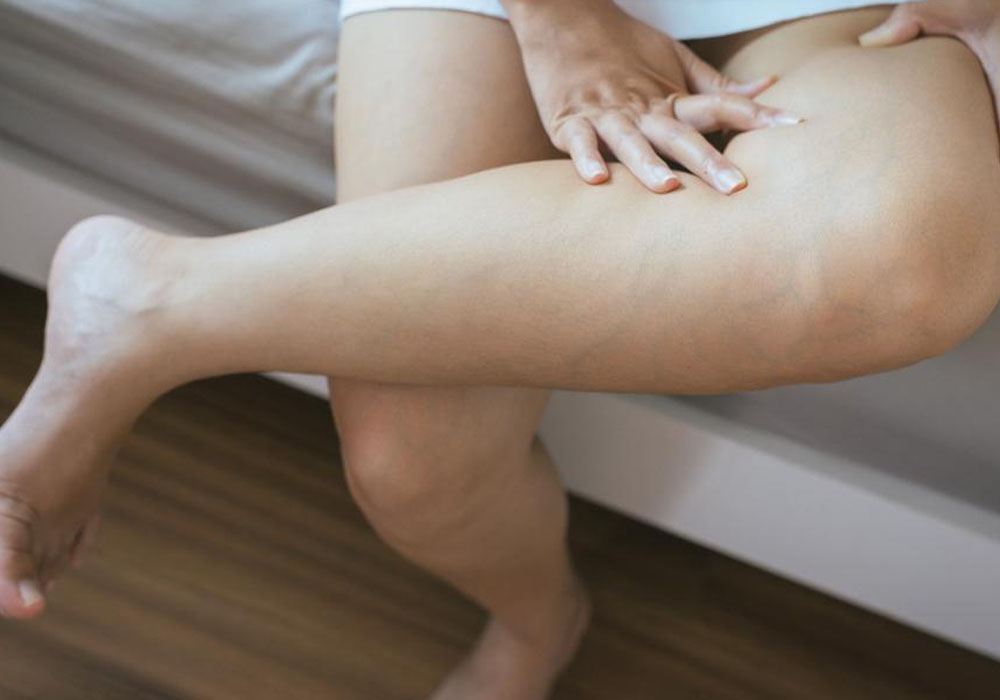
Varithena treatment has emerged as an effective solution for people who struggle with varicose veins. This procedure uses a special foam to close off problem veins and improve blood flow in the legs. Many adults experience discomfort from varicose veins and seek relief through medical intervention. The treatment offers a less invasive option compared to traditional vein surgery. Patients often wonder if this approach suits their particular situation. This article examines the key signs that suggest Varithena might work well for you.
Visible Bulging Veins That Cause Discomfort
One clear sign that varinthena for varicose veins may help involves visible veins that bulge above the skin surface. These veins often appear twisted or rope-like in appearance and may be blue or purple in color. The presence of such veins indicates that the valves inside them have stopped working properly. This valve failure allows blood to pool and stretch the vein walls over time. People with these visible bulging veins frequently experience leg heaviness and aching sensations.
Leg Pain and Heaviness That Worsens With Standing
Many candidates for Varithena notice their leg pain increases after long periods of standing or sitting. This discomfort often feels like a dull ache or throbbing sensation in the lower legs. The pain typically improves when legs are elevated above heart level. People who work in jobs that require prolonged standing may find this symptom particularly bothersome. This pattern of pain often signals that vein problems have progressed enough to need treatment.
Swelling in the Lower Legs and Ankles
Swelling represents another common indicator that Varithena might provide relief. This swelling usually appears in the feet, ankles, and calves by the end of the day. The affected area may feel tight or look puffy compared to the morning hours. Some people notice that their shoes feel tighter as the day progresses. This fluid buildup occurs because damaged veins cannot efficiently pump blood back toward the heart.
Skin Changes Around the Ankles
Skin changes in the lower leg area can signal advanced vein problems that respond well to Varithena. These changes might include dryness, itching, or a reddish-brown discoloration near the ankles. The skin may become thin and fragile in areas where blood has pooled for extended periods. Some patients develop small white patches or scarring in these affected regions. These skin alterations suggest that vein issues have existed for some time and need professional attention.
Restless Leg Syndrome and Night Cramps
People who experience restless leg sensations or night cramps may find relief through Varithena treatment. These symptoms often worsen at night and can disrupt sleep patterns significantly. The urge to move the legs arises from poor circulation in the affected veins. Many patients report that these symptoms improve after successful vein treatment. This connection between vein health and leg comfort makes these symptoms important indicators.
Failed Conservative Treatment Methods
Individuals who have tried compression stockings without success often become good candidates for Varithena. These stockings provide external pressure to help veins push blood upward toward the heart. When stockings fail to relieve symptoms, more direct intervention may become necessary. Some people find stockings uncomfortable or difficult to wear consistently. Others may not experience enough symptom improvement despite proper stocking use. This failure of conservative care often points toward the need for a procedure like Varithena.
Medical History That Supports Vein Treatment
Certain medical factors make people more suitable for Varithena treatment than others. The procedure works best for patients with healthy arterial circulation in their legs. People with a history of blood clots may need additional evaluation before treatment. Good overall health and reasonable mobility contribute to successful outcomes. Those who have realistic expectations about what the treatment can accomplish tend to be satisfied with their results.
Consultation With Your Healthcare Provider
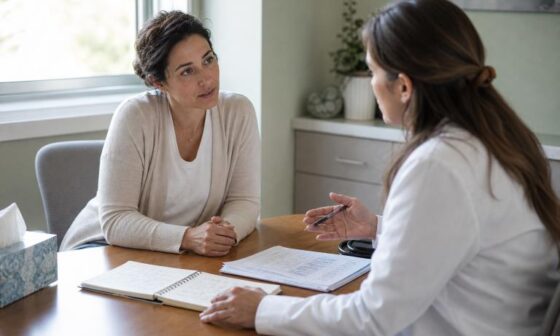
A thorough medical consultation remains the most reliable way to determine whether varinthena for varicose veins candidacy. During this visit, your doctor will examine your legs and review your complete health history. They may use ultrasound technology to map the blood flow in your leg veins. This imaging helps identify which veins are causing problems and whether Varithena can address them effectively. Your provider will discuss potential risks and benefits based on your specific situation. This professional evaluation ensures you receive appropriate care for your particular vein issues.
Varithena treatment offers hope for many people troubled by uncomfortable varicose veins. The signs discussed in this article provide useful guidance for recognizing when professional help might be needed. Visible bulging veins, leg pain, swelling, skin changes, restless legs, and failed conservative treatments all suggest that Varithena may offer benefit. Each person’s vein problems present uniquely and require individual assessment. A consultation with a qualified healthcare provider provides the clearest path toward determining whether Varithena suits your needs. Modern vein treatments continue to improve and offer effective options for those who seek relief from vein-related discomfort. Taking the first step toward evaluation often leads to better leg health and improved quality of life.