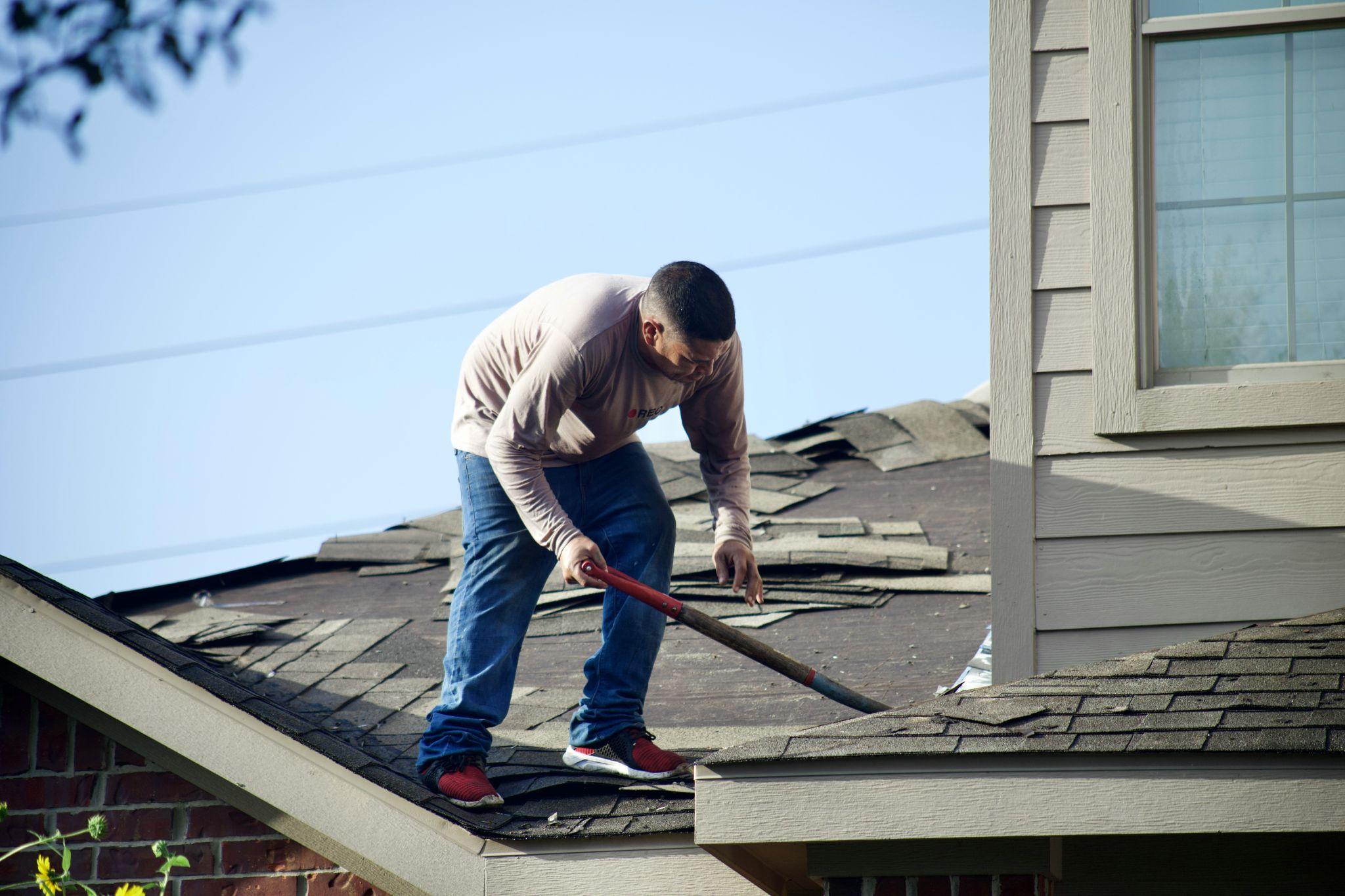
Hail damage is not always obvious from the driveway. A roof can keep shedding water after a storm even when impacts have weakened shingles, flashing, vents, or ridge materials. For homeowners evaluating Colorado Springs roofing after severe weather, the useful question is not simply whether shingles are missing. It is whether hail changed the roof’s ability to protect the layers underneath. A hail damage roof inspection should look for impact patterns, material fractures, loosened seals, and damage to vulnerable roof details before deciding whether repair or replacement makes sense.
1. Granule Loss That Exposes the Asphalt Layer
Asphalt shingles use surface granules to protect the material underneath from sunlight and weather. Hail can knock those granules loose, leaving darker impact spots or sending unusual amounts of granules into gutters and downspouts. On Colorado Springs roofing systems, a few loose granules are not automatically storm damage because shingles shed some naturally as they age. The concern is fresh, concentrated loss that matches impact points across a slope. If enough granules are removed, the exposed asphalt can age faster under Colorado sun, leaving the shingle less protected before the next hail or wind event.
2. Bruised or Fractured Shingles
A shingle does not need a visible hole to be damaged. Hail can bruise the asphalt layer or fracture the fiberglass mat inside the shingle while the surface still appears mostly intact. This type of Colorado Springs roofing damage matters because the weakened area may continue shedding water initially but become more vulnerable to cracking, heat, and future impacts. A hands-on inspection is often needed to determine whether an impact is merely cosmetic or whether the material beneath the granules has been compromised. Multiple fractures across several slopes are more serious than one isolated mark.
3. Cracked or Chipped Shingle Edges
Hail hitting near a shingle edge can chip, split, or crack material that is already exposed to wind uplift. Older shingles are particularly vulnerable because years of sun and temperature changes can make them less flexible. For Colorado Springs roofing homeowners, damaged edges deserve attention even when the center of the shingle looks fine. A cracked edge can continue opening through wind and freeze-thaw cycles, eventually exposing more of the underlayment. If several shingles show similar edge damage, the inspection should determine whether the problem is localized or part of wider material brittleness.
4. Damaged Ridge Caps
Ridge caps sit at one of the most exposed parts of the roof and often take direct hail impacts from multiple angles. Because they bend over the roof peak, they can also be more vulnerable to cracking than flat field shingles. Colorado Springs roofing inspections should check ridge caps for missing granules, fractures, splits, and loosened sections rather than focusing only on the main slopes. Damage here matters because ridge materials protect one of the roof’s major transitions. If ridge caps have been weakened by hail and wind together, water may gain access to the roof peak during later storms.
5. Dented or Damaged Metal Roof Components
Roof vents, flashing, metal caps, and other exposed components often show hail evidence more clearly than shingles. Dents can help indicate the direction and intensity of the storm and identify which roof slopes received the strongest impacts. For Colorado Springs roofing, damaged metal is useful evidence, but it should not be treated as automatic proof that every nearby shingle has functional damage. The inspector should compare metal impacts with the surrounding roofing material. Bent flashing, cracked vent covers, or damaged metal seams may require repair even if the shingles around them remain serviceable.
6. Loosened Shingle Seals From Hail and Wind
Colorado hailstorms often arrive with strong winds, which means impact damage and wind damage can occur during the same event. Wind can lift shingle edges and weaken the adhesive seals that hold courses together without removing the shingles completely. On Colorado Springs roofing systems, this can leave sections that look normal until another storm pushes rain underneath. Raised tabs, shifted shingles, or sections that no longer lie flat should be checked alongside hail impacts. A roof that suffered both broken seals and hail bruising may need a different repair approach than one with isolated cosmetic marks.
7. Valley Damage Where Runoff Is Concentrated
Roof valleys already handle more water than most other areas because runoff from two slopes meets there. Hail damage to valley shingles or flashing can therefore become more consequential than a similar impact elsewhere. Colorado Springs roofing homeowners should pay attention to granule loss, cracked shingles, bent metal, or debris collecting along valley lines after a storm. Even a small defect can become a leak point because heavy rain and snowmelt repeatedly travel through the same area. When valley damage is found, the inspection should evaluate the entire water path rather than replacing one visibly marked shingle.
8. Damage Around Vents, Pipes, and Roof-to-Wall Connections
Hail can damage the materials surrounding plumbing vents, exhaust vents, chimneys, and wall intersections, where flashing and sealants already manage complicated water flow. On Colorado Springs roofing systems, these transitions deserve close inspection because an impact can crack a boot, loosen flashing, or damage nearby shingles without producing an immediate interior leak. Repeated temperature swings can then make the weakness worse. If attic staining appears after a hailstorm, the inspection should trace the water path toward these penetrations instead of assuming the leak is directly above the stain.
9. Hidden Decking or Underlayment Damage After Severe Impact
Most hail damage begins at the surface, but severe impacts can sometimes contribute to problems below the shingles, especially when the roof was already aging or had weak spots. Colorado Springs roofing inspections should look for signs such as soft decking, water staining, damaged underlayment visible during repair, or attic moisture below heavily affected areas. Hidden damage is one reason homeowners should not rely only on what can be seen from the ground. If the outer roofing layer has been compromised enough to allow water through, delaying repair can turn a manageable surface problem into damaged wood and insulation.
Use the Damage Pattern to Decide What Comes Next
Not every Colorado Springs roofing roof hit by hail needs replacement. Localized granule loss, one damaged vent, or a small group of cracked shingles may be repairable when the surrounding roof is still flexible and sound. The decision changes when bruising, fractures, broken seals, ridge damage, and flashing problems are spread across multiple slopes. Roof age, previous repairs, and overall material condition should be considered alongside the storm damage.
For Colorado Springs roofing homeowners, the strongest post-hail decision is based on three things: what was damaged, how widespread it is, and how much healthy roofing remains around it. Documenting the roof soon after the storm, comparing different slopes, and checking both shingles and roof details gives a much clearer picture than waiting for a ceiling leak. When Colorado Springs roofing damage is identified early, homeowners usually have more repair options and a better chance of preventing a small impact from becoming a larger moisture problem.