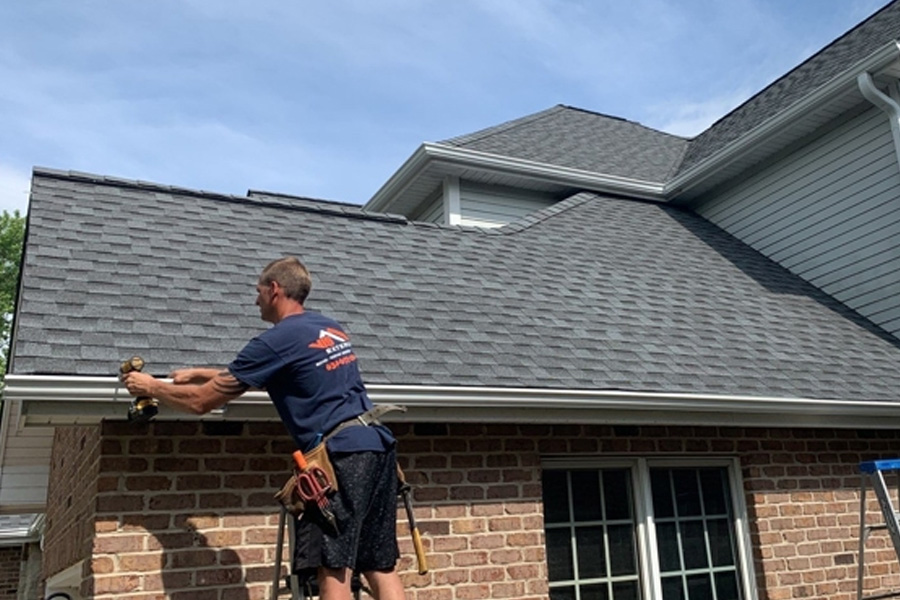
The Landscape of Roofing Options
Across neighborhoods and cities, homeowners face a familiar crossroad once the roof starts showing signs of wear: selecting the right company to trust. While local professionals and national names both promise craftsmanship, the real difference lies in how these promises are delivered. Each option has its rhythm, its process, and its way of handling the relationship with the homeowner.
Roofing is more than just installing shingles—it invests in home safety, aesthetics, and durability. Who does that effort can affect decades-long results.
Local Voices and Community Roots
Local roofing companies are often family businesses with long histories. Many of these teams understand local winds, regional housing styles, and seasonal weather patterns. Their reputation lives in the neighborhoods they serve, so they are more accountable.
In a community-driven business, trust is the invisible currency. Local companies thrive when customers talk positively about their experiences, and that very dependence fosters reliability. Their phone lines lead directly to the owner’s desk rather than to a national call center queue. Questions are answered faster, site visits are scheduled quicker, and repairs are often approached with a sense of genuine responsibility.
This intimacy can feel like a neighbor who understands every roof squeak for homeowners. The conversation is honest and direct. If concerns arise months later, the roof builders can usually fix them.
Scale, Structure, and the Promise of Consistency
National roofing chains attract brand loyalists and service standardizers. These firms offer structured project management and a variety of materials. Their extensive networks and resources streamline scheduling and supplier procurement.
Complexity comes with scale. With operations spanning states, national businesses rely on subcontractors. Who leads on-site affects job quality. Sales reps handle initial consultations, regional managers handle project specifics, while support centers handle follow-ups.
National corporations typically invest in warranties and corporate training, but the physical distance between decision-makers and local workers can dilute personal attention. Homeowners who value tone, responsiveness, and familiarity may find this discrepancy substantial.
The Cost Equation
Pricing roofing projects can be difficult. Local companies may have low overhead, but smaller quantities may mean higher material prices. With their purchasing power, national operators can get bulk discounts, but administrative and advertising costs also add up.
Remember that the lowest bid may not be the best price. Workmanship, material quality, and maintenance determine a roof’s longevity. Many homeowners find that a bargain becomes pricey when improper installation causes leaks or short lifespans.
Evaluating prices, then, becomes a matter of probing beyond numbers—asking who will handle the work, what standards they follow, and how warranties are enforced.
Accountability in Action
Accountability separates reliable roofing professionals from transient operators. Local companies live within the same zip codes as their customers; their reputation occupies every online review and every word-of-mouth referral. When a mistake happens, fixing it is not just a contractual obligation—it is an act of preserving credibility.
National chains approach accountability through corporate frameworks. Issues may route through warranty departments or multiple managers, turning simple adjustments into formal procedures. The larger the company, the greater the number of steps a homeowner must navigate to reach the right person.
Yet many homeowners find comfort in national brand assurances. Large companies have documented systems and long-standing market presence. They are unlikely to disappear overnight. Still, the personal touch—the handshake, the immediate phone call, the presence of a familiar face on-site—remains the signature strength of local roofers.
Longevity and Follow-Up Care
A roof isn’t installed and ignored. Storm inspections, sealant touch-ups, minor repairs, and section replacement are needed over time. Easy service years after installation is key to long-term satisfaction.
Aftercare is significant for local roofers. Their maintenance personnel regularly return to the same residences, honoring warranties quickly. National businesses may offer follow-up service, but homeowners may need to contact them again.
Emergency situations make aftercare reliability crucial. A leaky roof amid heavy rain requires rapid assistance. A local team that arrives in hours, not days, increases peace of mind.
Choosing Based on Priorities
Every homeowner views roofing through a different lens. Some prioritize speed and structure; others seek connection and familiarity. When deciding, it is helpful to weigh the following aspects:
- Expertise and local awareness: How well does the company understand regional weather and materials appropriate to local climates?
- Communication flow: Will questions and updates go through multiple channels or directly to the project manager?
- Workforce oversight: Are installers employees or subcontractors?
- Follow-up commitments: How does the company handle post-installation queries and warranty requests?
Making a judgment involves balancing practical logistics with comfort level. A local company may offer a feeling of partnership, while a national chain may deliver structure and predictability. Understanding what type of support feels most reassuring is often the deciding factor.
FAQ
How can I verify the reliability of a roofing company?
Read homeowner reviews, check their project history, and request license and insurance. Meeting the project manager or owner in person assesses professionalism.
Are warranties different between local and national companies?
Local companies may offer warranties backed by their own service commitment, ensuring a more straightforward claim process. National chains commonly provide manufacturer-backed warranties that follow standard documentation but can require more procedural follow-up.
Why does communication style matter in roofing projects?
Clear communication reduces delays and misunderstandings in roofing projects, which require inspection, planning, materials delivery, and installation. Accessible decision-makers improve company coordination.
Can a national company offer region-specific expertise?
They can, but local representative training usually determines it. Many national corporations use local branches or subcontractors, which may not understand the region’s architecture or environment.
What questions should I ask during the first consultation?
Communicate timelines, crew supervision, material options, warranties, and emergency repair policies. Transparent answers demonstrate the company’s professionalism and accountability.
Do local companies provide financing or payment flexibility?
Many do. Smaller firms often partner with financing services or accept phased payments to accommodate homeowners. Terms vary, so clarifying this early helps avoid misunderstandings later.
Is craftsmanship noticeably different between the two types of companies?
Experience and training determine a crew’s craftsmanship. Local enterprises use in-house staff to maintain quality. Subcontractor selection affects national chains.
Should I prioritize brand reputation or local recommendations?
Both matter, but local recommendations typically offer firsthand insight into workmanship and trustworthiness. A brand name may promise reliability, yet a neighbor’s recent experience can provide a clearer picture of how those promises hold up in practice.
Are local roofers equipped for large-scale commercial projects?
Many are. Although their scale may be smaller, local companies with proven expertise can handle complex commercial jobs, often with a more personalized approach than national chains.
What role does community reputation play in choosing a roofer?
Community reputation functions as a mirror reflecting reliability. A company valued within its town or city is likely to uphold high standards, since local approval sustains its business growth.
Which roofing partner is best for long-term service relationships?
Due to their proximity and personal participation, local enterprises frequently develop lasting partnerships. National chains may preserve long-term service records formally.
How can homeowners prepare before hiring?
Check the roof from ground level for visible issues, get multiple quotes, and request detailed project scopes. Prepared proposals are more objective and reduce surprises after work begins.
What is the biggest advantage of staying local?
Direct accountability and personalized communication remain the strongest advantages. The same people who discuss the project are likely to oversee its completion and future service.
Does company size impact installation speed?
National chains may have scheduling systems that accelerate project starts, while local companies often work flexibly based on demand. Speed varies, but efficiency depends more on organization than size alone.
Can homeowners switch from a national chain to a local provider for maintenance?
Absolutely. Roofs require ongoing care, and homeowners are free to choose different service providers at any stage. What matters is consistent monitoring and timely corrective action.
How does local weather knowledge influence roofing success?
Understanding precipitation, humidity, and wind speeds helps choose durable materials and install them properly. Local experts often reduce weather-related maintenance.
Should cost or relationship come first in roofing decisions?
Both affect satisfaction, but a trusted relationship often guarantees fair pricing and reliable work. Property owners receive value beyond the invoice based on the balance.
How can homeowners safeguard against poor roofing quality?
Check licenses, obtain thorough contracts, and make sure material brands, installation standards, and dates are listed. Frequent project updates help identify difficulties early.
Does hiring locally support economic sustainability?
Yes. Choosing a local contractor keeps spending within the community, strengthening local employment and encouraging craftsmanship rooted in local pride.
Why does roofing choice reflect homeowner values?
Personal space is protected by a roof. Selecting a local craftsman or a national provider reflects values like community loyalty, brand consistency, and personal trust. It becomes part of the home’s history following the project.